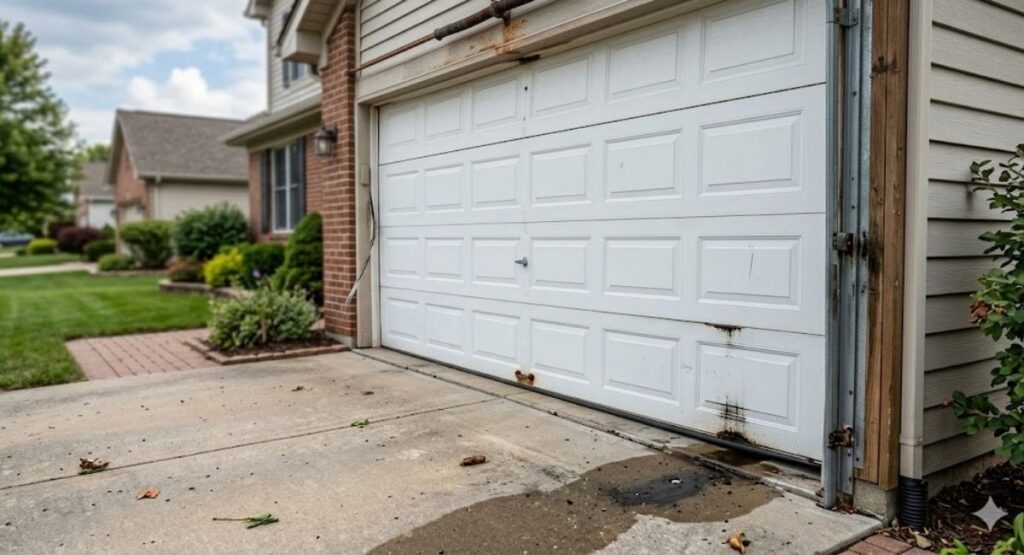

A garage door usually gives small warnings before it fails. At first, it may sound like a minor squeak after a long day. Then the door starts shaking, closing unevenly, or stopping halfway while your car is still inside. Many homeowners ignore these early signs because the door still “works.” But one weak spring, worn cable, damaged roller, or tired opener can turn a normal morning into a safety problem. If your door feels heavier than usual or struggles to lift, it may be time to schedule garage door spring repair san antonio before the spring snaps and leaves the door stuck.
When a Garage Door Starts Telling You Something Is Wrong
Think of your garage door like any large moving system in your home. It has metal parts, tension, tracks, rollers, cables, hinges, sensors, and an opener that all need to work together. When one part weakens, the whole system feels it.
The first sign may not look serious. You may hear grinding in the morning. You may notice the door leaning slightly to one side. You may press the remote twice before the door responds. These signs are easy to dismiss, but they often point to deeper wear.
A healthy garage door should move smoothly. It should not jerk, drag, slam, or shake. It should open and close at a steady speed. It should also stop when the safety sensors detect something in its path. When any of these actions change, the door is asking for attention.
Common Signs of Garage Door Failure
One of the most common warning signs is loud noise. A garage door does not need to be silent, but it should not sound like metal scraping metal. Grinding, popping, banging, or squealing can point to dry rollers, loose hardware, worn hinges, a damaged spring, or a strained opener.
Another sign is slow movement. If your door takes longer than usual to open or close, the opener may be under stress. The rollers may also be worn, or the track may be misaligned. Slow movement can also happen when the spring no longer carries the door’s weight properly.
A door that moves unevenly needs fast attention. If one side rises faster than the other, the cables may be frayed, loose, or damaged. This can become dangerous because cables help support the weight of the door. A broken cable can make the door drop suddenly.
You should also watch for these signs:
- The garage door reverses without touching anything.
- The door closes too fast or slams shut.
- The remote or wall switch works only sometimes.
- The door opens a few inches, then stops.
- You see gaps, dents, or bends in the tracks.
- The door looks crooked when closed.
- The opener motor runs, but the door does not move.
- The weather seal is cracked, loose, or missing.
Each sign points to a different problem, but they all mean the same thing. Your garage door system is no longer working at its best.
Why You Should Not Ignore a Failing Garage Door
A failing garage door is more than an inconvenience. It can affect home safety, security, energy use, and daily comfort. A door that does not close fully can leave your garage open to weather, pests, and unwanted access. A damaged seal can let hot air, cold air, or rain enter the garage. If your garage connects to your home, that can also affect indoor comfort.
There is also the safety concern. Garage doors are heavy. Springs and cables hold a lot of tension. When these parts fail, they can cause injury or damage. That is why homeowners should not try to repair high-tension parts without proper tools and training.
A struggling garage door can also damage other parts. For example, a weak spring can force the opener to work harder. A bent track can wear down rollers. Loose hardware can cause shaking that spreads across the door panels. Small repairs often cost less when handled early.
For homeowners near New Braunfels, scheduling professional garage door services new braunfels can help catch these issues before the door fails at the worst time.
When Repair May Not Be Enough
Sometimes a repair is the right choice. A broken spring, loose hinge, damaged roller, or sensor issue can often be fixed without replacing the whole door. But some signs may show that the door is nearing the end of its life.
If your door has several damaged panels, deep rust, repeated opener strain, poor insulation, or frequent repair needs, replacement may be the smarter option. Older doors may also lack modern safety features, stronger materials, and better energy performance.
A new garage door can improve curb appeal, security, and daily use. It can also reduce noise and give your opener a cleaner, easier job. The best choice depends on the door’s age, damage level, repair history, and how often problems return.
What Homeowners Should Do Next
The best time to fix a garage door problem is before the door stops working. Listen to new sounds. Watch how the door moves. Check whether both sides stay level. Look at the springs, cables, rollers, tracks, and weather seal from a safe distance. Do not touch damaged springs or cables. These parts can be dangerous.
If something feels off, call a trained garage door technician. A professional can inspect the full system, explain the problem, and recommend repair or replacement based on the actual condition of the door.
Your garage door works hard every day. When it starts showing signs of failure, quick action can protect your home, your car, and your routine. For trusted repair, inspection, and replacement help, contact 𝐋𝐞𝐠𝐚𝐜𝐲 𝐆𝐚𝐫𝐚𝐠𝐞 𝐑𝐞𝐩𝐚𝐢𝐫. If your current door is damaged, outdated, noisy, or no longer reliable, ask about Garage Door Installation San Antonio TX and get a safer, better-looking garage door for your home.