
Home office interior design solutions help homeowners create dedicated workspaces that combine productivity, comfort, organization, and visual appeal. With remote and hybrid work becoming increasingly common, a thoughtfully designed home office can provide a professional environment while fitting seamlessly into the overall style of the home.
A successful home office requires more than simply placing a desk and chair in an available room. Professional interior designers consider the available space, work requirements, storage needs, lighting, acoustics, furniture, and technology to create an efficient workspace. Whether it is a dedicated office room, a compact study corner, or a multifunctional space, customized design can make working from home more comfortable and productive.
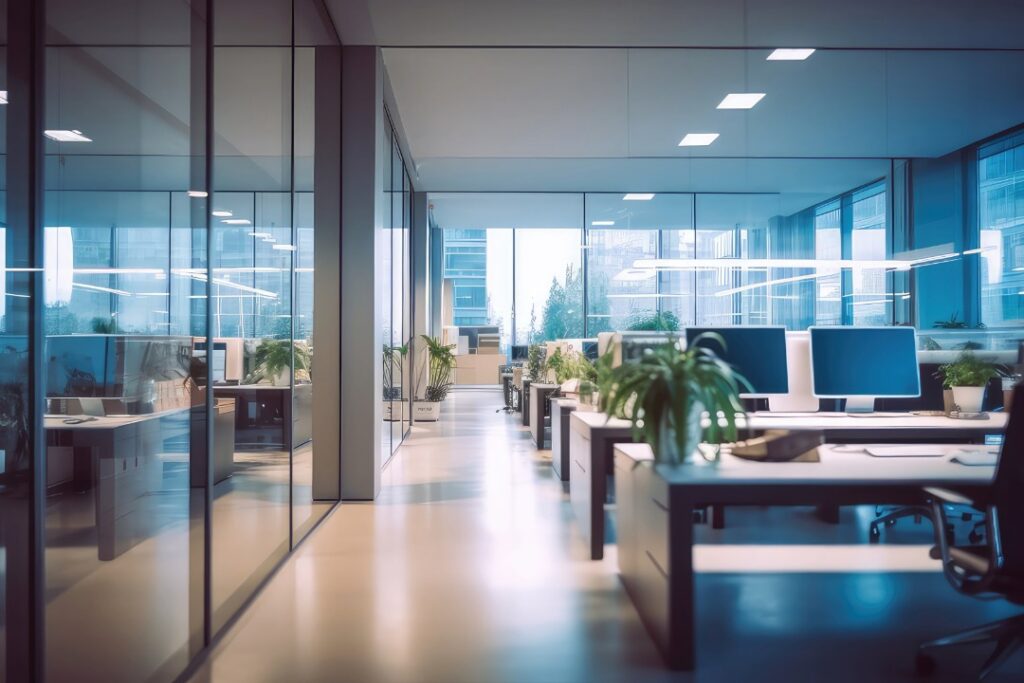
The principles discussed in How Smart Office Design Improves Workflow and Business Efficiency are equally relevant to home offices. Efficient layouts, organized storage, ergonomic furniture, appropriate lighting, and technology integration can improve workflow and create a more effective working environment.
Why Choose Professional Home Office Interior Design Solutions?
Working from home often requires a balance between professional productivity and residential comfort. Professional designers can create a workspace that supports concentration while complementing the home’s interior style.
Key benefits include:
- Efficient space planning
- Ergonomic furniture
- Customized storage
- Better organization
- Improved lighting
- Technology integration
- Reduced visual clutter
- Personalized design
A professionally planned home office can help create a clear separation between work and personal activities.
Smart Space Planning for Home Offices
The available space plays an important role in determining the ideal home office layout. Designers can develop solutions for both large dedicated rooms and compact work areas.
Popular layouts include:
- Dedicated home office rooms
- Bedroom workstations
- Living room study corners
- Wall-mounted work desks
- Under-stair workspaces
- Multi-purpose guest room offices
A well-planned layout should provide sufficient workspace while allowing comfortable movement and easy access to storage.
Ergonomic Home Office Furniture
Ergonomics is essential for people who spend several hours working at a desk. Comfortable furniture can support better posture and reduce physical strain.
Common solutions include:
- Ergonomic office chairs
- Height-adjustable desks
- Custom workstations
- Monitor stands
- Adjustable lighting
- Footrests
Furniture dimensions should be selected according to the user’s height, work style, and available room space.
Customized Storage Solutions
An organized workspace can help reduce distractions and improve productivity. Customized storage allows homeowners to keep documents, stationery, equipment, and personal items neatly arranged.
Popular options include:
- Wall-mounted shelves
- Built-in cabinets
- Floating storage
- Filing drawers
- Closed cabinets
- Open shelving
- Full-height storage units
As highlighted in How Smart Office Design Improves Workflow and Business Efficiency, organized work environments can contribute to smoother workflows. The same principle applies to home offices, where efficient storage can help maintain a clutter-free workspace.
Lighting for Home Offices
Proper lighting is important for reducing eye strain and creating a comfortable working environment. Whenever possible, desks should be positioned near natural light without causing screen glare.
Artificial lighting options include:
- Task lighting
- Desk lamps
- Recessed lights
- Pendant fixtures
- LED lighting
- Cove lighting
A combination of ambient and task lighting can provide adequate illumination throughout the day.
Technology Integration
Modern home offices often require several electronic devices. Professional interior designers can plan the workspace around technology requirements.
Solutions may include:
- Concealed cable management
- Integrated power sockets
- USB charging points
- Printer storage
- Monitor arrangements
- Video conferencing setups
Proper technology planning can help maintain a clean appearance while supporting efficient work.
Creating a Productive Environment
The design of a home office can influence concentration and workflow. Designers may use calming colors, natural materials, indoor plants, acoustic solutions, and minimal décor to create a comfortable atmosphere.
As discussed in How Smart Office Design Improves Workflow and Business Efficiency, thoughtful office design can support better organization and productivity. Applying these principles to a home office can help create an environment that encourages focus and efficiency.
Home Office Design for Small Spaces
Even compact homes can accommodate functional workspaces with the right planning.
Space-saving solutions include:
- Fold-down desks
- Wall-mounted workstations
- Floating shelves
- Compact chairs
- Built-in cabinets
- Multifunctional furniture
These solutions allow homeowners to create dedicated work areas without sacrificing valuable floor space.
Factors to Consider Before Choosing Home Office Interior Design Solutions
Before selecting a professional interior designer, consider:
- Experience with residential workspaces
- Portfolio of completed projects
- Space planning expertise
- Furniture customization
- Storage solutions
- Material quality
- Lighting design
- Technology integration
- Project management
- Budget transparency
It is also important to communicate work habits, equipment requirements, and storage needs during the design process.
Conclusion
Professional home office interior design solutions can transform ordinary rooms and unused corners into comfortable, organized, and productive workspaces. Through smart space planning, ergonomic furniture, customized storage, effective lighting, technology integration, and personalized design, homeowners can create offices that support both productivity and well-being.
Additionally, How Smart Office Design Improves Workflow and Business Efficiency provides valuable insights into the role of intelligent workplace design in improving organization and efficiency. By applying similar principles to residential workspaces, homeowners can create functional home offices that encourage focus, simplify daily work, maximize available space, and blend seamlessly with the overall design of the home.
Home office interior design solutions create comfortable, productive, and stylish workspaces that support modern work-from-home lifestyles. By combining smart space planning, ergonomic furniture, efficient storage solutions, and proper lighting, designers create environments that enhance focus, comfort, and efficiency. Whether designing a dedicated home office or a compact workspace, every element is customized to maximize available space and meet individual work requirements. High-quality materials, contemporary aesthetics, and organized layouts ensure a clutter-free and inspiring atmosphere. Investing in professional home office interior design solutions helps transform any area into a functional, visually appealing, and efficient workspace that promotes productivity and work-life balance.