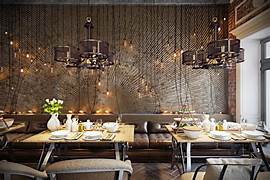

Restaurant interior design services help transform dining spaces into attractive, functional, comfortable, and memorable environments that enhance the overall customer experience. A successful restaurant interior is not only about beautiful décor; it must also support efficient staff movement, smooth service, comfortable dining, and a strong brand identity.
From casual cafés and family restaurants to fine-dining establishments and large food outlets, every restaurant requires a unique design approach. Professional interior designers carefully plan seating arrangements, kitchen access, lighting, furniture, colors, materials, acoustics, and décor to create a cohesive environment that reflects the restaurant’s concept.
The principles discussed in Office Interior Design Trends That Improve Productivity demonstrate how thoughtful layouts, lighting, ergonomics, and functional planning can improve the way people interact with a space. While restaurant interiors have different objectives, similar principles of efficient space planning and user-focused design can help create better dining environments.
Why Choose Professional Restaurant Interior Design Services?
Restaurant interiors must balance aesthetics and operational efficiency. A visually appealing space should also allow customers and staff to move comfortably.
Professional restaurant interior designers can help with:
- Space planning
- Seating layouts
- Interior styling
- Lighting design
- Furniture selection
- Material selection
- Branding integration
- Kitchen and service coordination
A professionally designed restaurant can create a stronger identity while improving functionality.
Creating an Attractive Restaurant Entrance
The entrance is the first point of interaction between customers and the restaurant. A well-designed entrance can attract attention and communicate the concept of the establishment.
Design elements may include:
- Branded signage
- Feature walls
- Decorative lighting
- Glass façades
- Outdoor seating
- Reception or host counters
The entrance should create a clear transition between the exterior and dining environment.
Efficient Restaurant Space Planning
Efficient space planning is essential for both customer comfort and staff productivity. Designers need to balance seating capacity with adequate circulation.
Important areas may include:
- Dining areas
- Waiting zones
- Reception counters
- Service stations
- Bar areas
- Kitchen access
- Restrooms
- Storage
The layout should allow staff to serve customers efficiently without disrupting the dining experience.
Restaurant Furniture Selection
Furniture contributes significantly to both comfort and visual identity. Tables and chairs should be selected according to the restaurant’s concept, available space, and expected customer volume.
Options may include:
- Dining tables
- Dining chairs
- Booth seating
- Bar stools
- Lounge seating
- Outdoor furniture
Furniture should be durable, comfortable, easy to maintain, and suitable for frequent commercial use.
Lighting for Restaurant Interiors
Lighting can strongly influence the atmosphere of a restaurant. Different lighting strategies can be used to create different moods and highlight specific areas.
Popular options include:
- Pendant lighting
- Chandeliers
- Wall sconces
- Recessed lighting
- Track lighting
- Accent lighting
Fine-dining restaurants may benefit from warm and atmospheric lighting, while casual restaurants may require brighter and more energetic environments.
Color and Material Selection
Colors and materials help establish the personality of a restaurant. Designers may select finishes based on the brand identity and desired customer experience.
Materials can include:
- Wood
- Stone
- Metal
- Glass
- Tiles
- Decorative laminates
- Textured finishes
The materials should be durable and easy to maintain, especially in high-traffic dining environments.
Creating a Strong Brand Identity
A restaurant’s interior should communicate its concept and brand story. Consistent use of colors, furniture, signage, graphics, and décor can create a recognizable identity.
For example, a modern restaurant may use minimalist furniture and contemporary finishes, while a traditional dining establishment may incorporate natural materials and cultural design elements.
Acoustic Planning
Noise levels can significantly affect the dining experience. Excessive noise may make conversations difficult, while a completely silent environment may feel uncomfortable.
Acoustic solutions may include:
- Acoustic wall panels
- Upholstered furniture
- Soft furnishings
- Decorative ceiling treatments
- Sound-absorbing materials
Thoughtful acoustic planning can help create a more comfortable atmosphere.
Functional Kitchen and Service Areas
The dining area is only one part of a successful restaurant. Kitchen and service areas must also be carefully planned to support efficient operations.
Design considerations may include:
- Staff circulation
- Food preparation areas
- Storage
- Service counters
- Dishwashing areas
- Delivery access
Interior designers should coordinate with restaurant operators and relevant technical professionals to ensure that the overall layout supports the operational requirements.
Factors to Consider Before Choosing Restaurant Interior Design Services
Before selecting a professional design company, consider:
- Experience with restaurant projects
- Portfolio of completed work
- Understanding of hospitality design
- Space planning expertise
- Furniture solutions
- Material knowledge
- Lighting design capabilities
- Project management
- Installation services
- Budget transparency
It is also helpful to select a company that understands the restaurant’s target audience and brand positioning.
Restaurant Interiors for Different Concepts
Professional restaurant interior design services can be customized for:
- Fine-dining restaurants
- Casual dining restaurants
- Fast-food outlets
- Cafés
- Bakeries
- Food courts
- Rooftop restaurants
- Specialty restaurants
Each concept requires a different approach to seating, lighting, furniture, materials, and décor.
Applying Modern Design Principles
The principles highlighted in Office Interior Design Trends That Improve Productivity emphasize the importance of functionality, thoughtful layouts, appropriate lighting, and user-focused planning. Similar ideas can be adapted to restaurants by considering how customers and staff move through the space.
A well-planned restaurant should make customers feel comfortable while allowing staff to work efficiently. Clear circulation, organized service areas, comfortable seating, and appropriate lighting can all contribute to a successful interior.
Conclusion
Professional restaurant interior design services can help businesses create dining environments that are visually appealing, functional, comfortable, and aligned with their brand identity. From space planning and furniture selection to lighting, materials, acoustics, and service-area coordination, every element contributes to the overall dining experience.
The principles discussed in Office Interior Design Trends That Improve Productivity demonstrate the importance of efficient planning and user-focused design. By adapting these principles to hospitality environments, restaurants can create spaces that support smooth operations while providing customers with a memorable and enjoyable experience. With the right design strategy and professional execution, a restaurant interior can become a powerful part of the brand and contribute to long-term business success.
Restaurant interior design services focus on creating attractive, functional, and memorable dining spaces that enhance the customer experience and reflect the restaurant’s unique brand identity. From space planning and seating arrangements to lighting, décor, furniture, and color schemes, every element is carefully designed to create a welcoming atmosphere. Professional designers balance aesthetics with functionality to ensure smooth operations, efficient customer flow, and maximum seating capacity. Using high-quality materials and innovative design concepts, they create interiors that are both durable and visually appealing. Investing in restaurant interior design services helps improve customer satisfaction, strengthen brand appeal, and create inviting dining environments that encourage repeat visits.