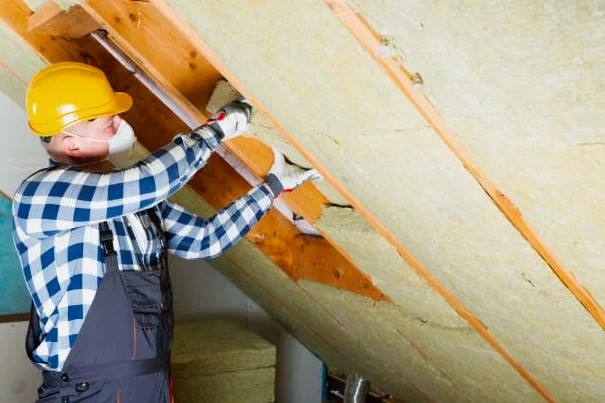

When it comes to improving your home’s energy efficiency, comfort, and long-term value, insulation install or upgrade is one of the most impactful steps you can take. Many homeowners overlook insulation because it’s hidden behind walls, in attics, or beneath floors—but its benefits are far from invisible. Whether you’re building a new home or enhancing an existing one, proper insulation plays a critical role in maintaining indoor temperature, reducing energy costs, and creating a healthier living environment.
Why Insulation Matters
Insulation acts as a barrier that slows down the transfer of heat. During winter, it keeps warm air inside, and in summer, it prevents heat from entering your home. Without adequate insulation, your heating and cooling systems have to work harder, leading to higher energy bills and increased wear and tear on your HVAC system.
An insulation install or upgrade ensures your home maintains a consistent indoor temperature. This not only improves comfort but also reduces energy consumption, making your home more environmentally friendly.
Signs You Need an Insulation Upgrade
Many homes, especially older ones, may not have sufficient insulation. Here are some common signs that indicate it’s time for an upgrade:
- Uneven temperatures between rooms
- High energy bills despite moderate usage
- Drafts or cold spots
- Ice dams forming on the roof in winter
- Excessive heat in the attic during summer
If you notice any of these issues, upgrading your insulation could significantly improve your home’s performance.
Types of Insulation
Choosing the right insulation material is essential for maximizing efficiency. Here are some popular options:
1. Fiberglass Insulation
One of the most common types, fiberglass is affordable and effective. It comes in batts or rolls and is ideal for walls, attics, and floors.
2. Spray Foam Insulation
Spray foam expands to fill gaps and cracks, providing an airtight seal. It offers excellent thermal resistance and is great for hard-to-reach areas.
3. Cellulose Insulation
Made from recycled materials, cellulose is an eco-friendly option. It’s often blown into walls or attics and provides good coverage.
4. Rigid Foam Boards
These panels offer high insulating value and are commonly used in walls, roofs, and foundations.
Each type has its own benefits, and the best choice depends on your home’s structure, budget, and climate.
Benefits of Installing or Upgrading Insulation
1. Lower Energy Bills
Proper insulation reduces the need for constant heating and cooling, leading to noticeable savings on utility bills.
2. Improved Comfort
Say goodbye to cold drafts and overheated rooms. Insulation helps maintain a stable indoor climate year-round.
3. Noise Reduction
Insulation also acts as a sound barrier, minimizing noise from outside and between rooms.
4. Increased Home Value
Energy-efficient homes are more attractive to buyers. An insulation upgrade can boost your property’s resale value.
5. Environmental Impact
Using less energy reduces your carbon footprint, contributing to a more sustainable future.
Professional Installation vs. DIY
While some insulation projects can be handled as DIY tasks, professional installation is often recommended for the best results. Experts can assess your home, identify problem areas, and ensure proper installation techniques are used.
Improper installation can lead to gaps, moisture issues, and reduced efficiency. Hiring professionals ensures that your investment delivers maximum benefits.
Cost Considerations
The cost of insulation install or upgrade varies depending on factors such as:
- Type of insulation material
- Size of the area
- Labor costs
- Accessibility of installation areas
Although the upfront cost may seem significant, the long-term savings on energy bills often outweigh the initial investment. Additionally, many regions offer rebates or incentives for energy-efficient upgrades.
Maintenance and Longevity
Insulation doesn’t require frequent maintenance, but it’s important to inspect it periodically. Moisture, pests, or settling can reduce its effectiveness over time. Regular checks ensure your insulation continues to perform at its best.
Frequently Asked Questions (FAQs)
Q1: How long does insulation last?
Most insulation materials can last 20–30 years or more, depending on the type and environmental conditions.
Q2: Can I add new insulation over old insulation?
Yes, in many cases you can layer new insulation over existing material, as long as it’s in good condition and free of moisture or mold.
Q3: What is R-value?
R-value measures insulation’s ability to resist heat flow. Higher R-values indicate better insulating performance.
Q4: Is insulation safe for my home?
Modern insulation materials are designed to be safe when properly installed. Always follow safety guidelines or hire professionals.
Q5: How much can I save with an insulation upgrade?
Savings vary, but homeowners can reduce energy bills by up to 15–30% with proper insulation.
Conclusion
Investing in Injection Insulation Installation in my area is one of the smartest decisions you can make for your home. It enhances comfort, lowers energy costs, and contributes to a more sustainable lifestyle. Whether you’re addressing specific issues or simply looking to improve efficiency, upgrading your insulation delivers long-term value. By choosing the right materials and ensuring proper installation, you can enjoy a more comfortable, cost-effective, and energy-efficient home for years to come.