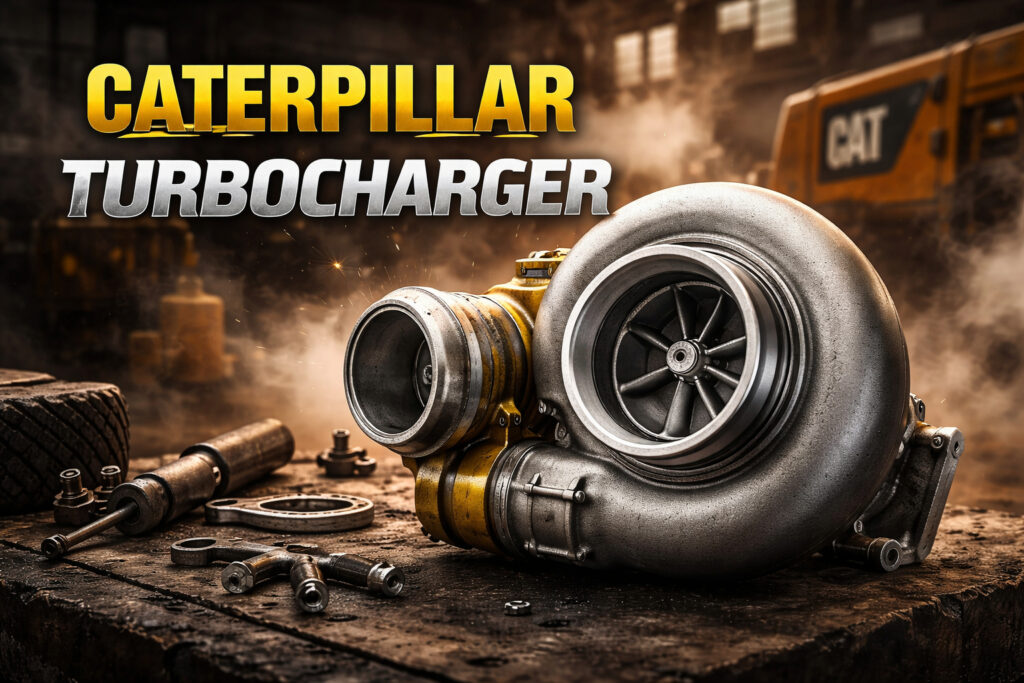

For machinery operating in demanding environments, such as mining, excavation, or long-haul transport, the turbocharger is the primary component responsible for maintaining the air-to-fuel ratio required for maximum torque. A primary requirement for any fleet operator is the ability to recognize when this precision-engineered component is beginning to falter before a complete mechanical seizure occurs.
For anyone seeking a dependable and well-tuned powertrain, ensuring the induction system is managed with expert care is paramount. Therefore, pinpointing the optimal moment for a professional evaluation of a Caterpillar turbocharger is the crucial initial move in maintaining equipment for the long haul.
Key Takeaways
- Symptom Recognition: Monitoring for blue exhaust smoke, which indicates oil passing through worn internal seals.
- Operational Efficiency: Addressing a lack of boost pressure to prevent the engine from overcompensating with excess fuel.
- Component Longevity: Utilizing professional repairs to extend the service life of expensive industrial housings.
What’re The Signals Indicating a Caterpillar Turbocharger Repair?
● Audible Whining or High-Pitched Shrill Noises
A key requirement for a healthy induction system is a smooth, consistent spooling sound when the vehicle accelerates. If a Caterpillar turbocharger starts to make a “siren” or grinding noise, it often means the compressor or turbine wheels are hitting the housing walls. This is usually due to excessive wear on the bearings.
This proactive approach ensures that the rotational tolerances are handled with genuine accuracy regarding the shaft’s alignment. By identifying these harmonic shifts early, a specialist prevents the disruption of metal shards entering the engine intake, keeping the internal environment secure and free from debris.
● Significant Power Loss & Excessive Exhaust Smoke
Success in heavy-duty applications depends on the engine receiving a steady flow of pressurized air to maintain combustion.
When a Caterpillar turbocharger suffers from internal seal failure or a sticking wastegate, the resulting decline in manifold pressure leads to “incomplete combustion” and dark exhaust.
When it comes to maximizing the performance and efficiency of heavy machinery, the Caterpillar turbocharger plays a critical role. Designed to enhance engine power by forcing more air into the combustion chamber, turbochargers help engines generate more output without increasing their size. This makes them essential for industries like construction, mining, and transportation, where reliability and performance are non-negotiable.
What Is a Caterpillar Turbocharger?
A Caterpillar turbocharger is a high-performance component specifically engineered for Caterpillar engines. It uses exhaust gases to spin a turbine, which in turn compresses air and delivers it into the engine. This process improves fuel efficiency, boosts horsepower, and reduces emissions. Whether you are operating excavators, loaders, or generators, a well-functioning turbocharger ensures optimal productivity.
This level of technical care is vital for ensuring that fuel efficiency is handled with the highest level of professional care. Choosing a strategy that prioritizes the correction of these air-flow imbalances is a necessity for those looking to protect their engine from carbon buildup and ensure their turbo supports long-term structural resilience.
● Unexplained Oil Consumption & Manifold Leaks
The heart of a superior maintenance strategy lies in the technical precision of the oil-feed and drain lines. When an operator observes oil accumulation within the intercooler pipes or near the exhaust flange, this serves as a definitive indicator that the internal bushings of the Caterpillar turbocharger have failed to retain the pressurized lubricant.
This careful diagnostic approach facilitates the assessment and rectification of the lubrication system, thereby mitigating the risk of an abrupt engine “runaway” condition.
Adhering to these rigorous standards of professional restoration, the repair facility establishes a stable operational environment, thus preventing a decline in the engine’s power delivery.
Conclusion
Restoring your heavy-duty induction hardware is a big deal. It’s a move toward personal resilience and a clear path for your project’s mechanical needs. Moving beyond the “replace it” approach and embracing a professional restoration strategy can spare owners the burden of escalating costs.
From a complete rebuild of a construction dozer to specialized assistance with a John Deere turbocharger, the best way to keep your fleet operational and performing optimally is to prioritize technical expertise over a temporary solution.