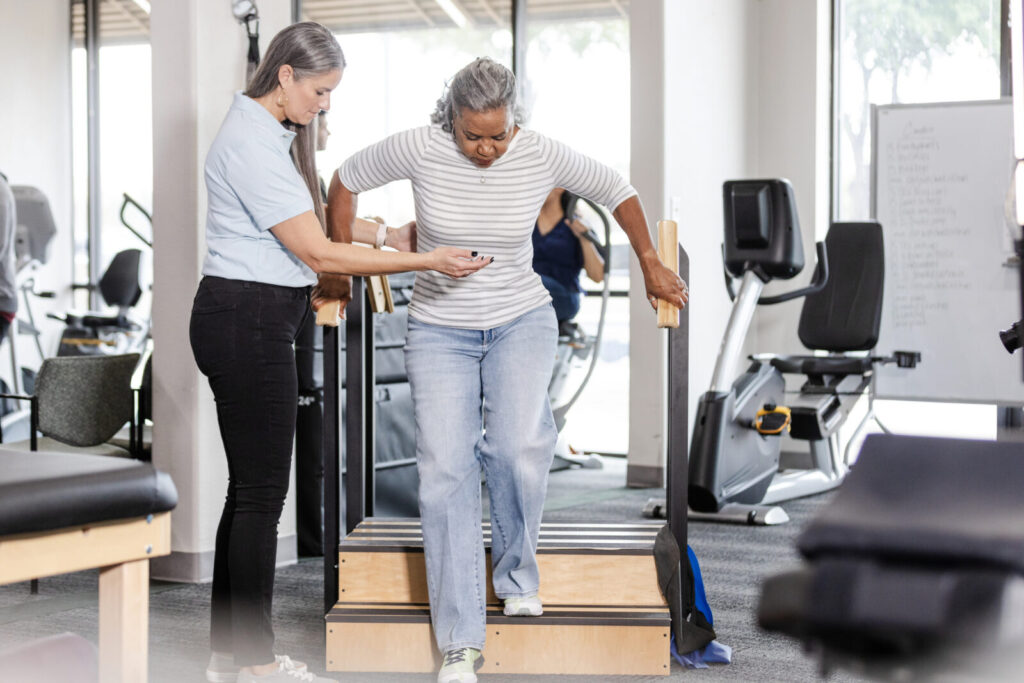

Aging at home is a strong preference for most seniors in the United States, but it also brings serious safety concerns that families often underestimate. Falls, mobility decline, and difficulty managing daily routines can quickly turn independence into risk. This is where occupational therapy for elderly at home becomes an important part of long-term care planning.
According to the Centers for Disease Control and Prevention (CDC), over 14 million older adults report falls every year, and about one in four seniors experiences a fall annually. Many of these incidents lead to hospital visits, fractures, and long recovery periods that could have been prevented with proper home-based support.
Families often assume falls are random accidents, but most are linked to preventable causes such as weak balance, unsafe home layouts, or lack of structured support. I once visited a home care program in Ohio where therapists showed how simple adjustments like grab bars and lighting changes reduced fall incidents significantly within weeks. This growing concern is why occupational therapy for elderly at home is becoming a practical solution for families who want safety without removing independence.
The Real Problem: Why Seniors Face High Fall Risks at Home
Many seniors prefer staying in familiar surroundings, but homes are not always designed for aging bodies. Stairs without railings, slippery bathrooms, loose rugs, and dim lighting create daily hazards that increase fall risk. These risks become more serious when mobility and vision decline with age. Muscle weakness is another major factor. After age 65, people naturally lose muscle strength and flexibility, which affects balance and coordination. Simple movements like standing from a chair or walking to the kitchen can become unstable without proper support.
Cognitive decline also plays a role in safety risks. Seniors with memory issues may forget to use mobility aids or misjudge distances, increasing the chance of accidents. This is where occupational therapy for elderly at home helps by training both the individual and the family on safe routines. Without structured intervention, these small challenges build up over time and often lead to emergency hospital visits, which can reduce long-term independence.
Agitation: What Happens When Safety Is Ignored
When home safety issues are ignored, the consequences can escalate quickly. A single fall can lead to fractures, surgery, or permanent loss of mobility. According to the CDC, falls are the leading cause of injury-related death among adults aged 65 and older in the United States. Hospital readmissions are also a major concern. Many seniors are discharged after treatment but fall again within weeks because home environments were not properly adjusted. This cycle creates emotional stress for both seniors and their families.
Caregiver burnout is another serious issue. Family members often try to manage safety on their own, but without professional training, they may miss important risk factors. Over time, this leads to exhaustion, frustration, and even strained relationships. I once spoke with a family in Michigan who shared how repeated falls in their mother’s home created constant anxiety. They realized that love alone was not enough without structured support and professional guidance through occupational therapy for elderly at home.
Solution: How Occupational Therapy Improves Safety at Home
Occupational therapy focuses on helping seniors perform daily activities safely and independently. The goal is not just treatment but prevention, especially when it comes to falls and injuries. Therapists assess the home environment and identify hazards that most families overlook. A key part of occupational therapy for elderly at home is home modification. This includes installing grab bars, improving lighting, removing loose rugs, and rearranging furniture to create safe walking paths. These small changes often have a big impact on reducing fall risks.
Therapists also train seniors on safe movement techniques. This includes proper ways to get in and out of bed, use the bathroom safely, and move around the house without strain. Over time, these habits build confidence and reduce fear of falling. In many cases, families also search for in home wound care specialist near me after a fall or injury. Occupational therapy often works alongside wound care professionals to ensure recovery is safe and complications are avoided during healing.
Real Case Study: Home Safety Success in the United States
A real example comes from a senior care program in Texas where an 82-year-old woman was experiencing frequent falls at home. Her family decided to begin occupational therapy for elderly at home after her second hospital visit within three months. The occupational therapist conducted a full home safety assessment and identified several risks, including poor bathroom lighting and unstable furniture placement. Simple changes like installing grab bars and improving floor layout reduced her fall risk significantly.
At the same time, the family also searched for in home wound care specialist near me after she developed a minor injury from a previous fall. Coordinated care between therapists and wound care professionals helped her recover safely without complications. Within two months, her confidence improved, and she was able to move around her home with minimal assistance. This case reflects how structured home care can prevent repeated hospital visits and restore independence.
The Role of Families and Care Coordination
Families play a critical role in supporting therapy outcomes. Even the best occupational therapy plan requires daily reinforcement at home. Family members help ensure safety recommendations are followed and encourage seniors to maintain safe habits. Communication between caregivers, therapists, and medical professionals is also important. When everyone works together, care becomes more effective and consistent. This coordination reduces confusion and improves long-term safety outcomes.
Many families also coordinate occupational therapy for elderly at home with other services like nursing care, physical therapy, and wound care support. This combined approach creates a complete safety system that supports both recovery and independence. In my experience, families who stay involved in therapy routines see better results. Even small actions like reminding seniors to use grab bars or keep pathways clear make a noticeable difference over time.
Why Home-Based Occupational Therapy Is Growing in the U.S.
The demand for home-based care services is increasing as the senior population grows. According to U.S. Census projections, by 2030 all baby boomers will be over 65, making seniors nearly 20 percent of the population. This shift is driving demand for safer home living solutions. Healthcare providers are also recognizing the value of prevention over treatment. Occupational therapy for elderly at home reduces hospital readmissions, lowers healthcare costs, and improves quality of life. It also allows seniors to stay in familiar environments, which supports emotional well-being.
Insurance providers and Medicare programs are increasingly supporting home-based rehabilitation services. This trend shows a shift in how the U.S. healthcare system approaches aging care, focusing more on independence and prevention rather than institutionalization. Families who look for in home wound care specialist near me are also part of this shift, as they prefer coordinated care that supports recovery at home rather than long hospital stays.
Conclusion
Aging does not have to mean losing independence or living in fear of falling. With proper support, seniors can continue living safely in their own homes while maintaining dignity and confidence. Occupational therapy plays a central role in making this possible. Occupational therapy for elderly at home focuses on prevention, safety, and independence rather than just treatment. By addressing home hazards, teaching safe movement, and supporting daily routines, it significantly reduces fall risks and improves quality of life.
Families also benefit from reduced stress and better coordination of care when professionals are involved. In many cases, combining therapy with services like in home wound care specialist near me creates a complete support system for recovery and long-term safety. As the senior population continues to grow in the United States, home-based therapy will remain a key solution for safe aging. With the right care plan, seniors can live independently, confidently, and safely in the place they call home.