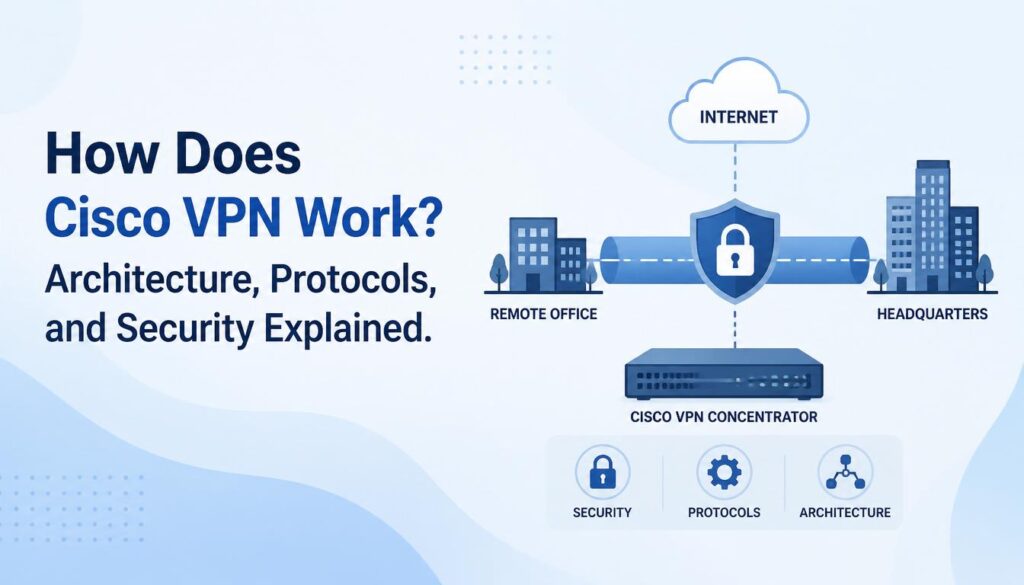

As businesses continue to adopt remote work, cloud services, and distributed networks, securing online communication has become more important than ever. A VPN creates an encrypted pathway between users and private networks, ensuring that sensitive information remains protected while traveling across the internet. Cisco VPN technology helps organizations establish secure connections, manage remote access, and maintain reliable communication between different network environments.
Cisco VPN solutions are designed with advanced security features, flexible architecture, and multiple protocol options to support modern networking needs. Individuals looking to enhance their networking skills can enroll in a Cisco VPN Training course to understand VPN setup, encryption standards, authentication processes, and security best practices. By gaining knowledge of Cisco VPN technologies, IT professionals can better manage secure network connections and support organizations in building stronger cybersecurity frameworks.
What Is a Cisco VPN?
A Cisco VPN is a networking solution that establishes an encrypted connection between a user or network and a private infrastructure. Instead of sending information directly through the public internet, a VPN creates a protected tunnel where data can travel securely.
Cisco provides different VPN solutions designed for specific needs, including:
Remote Access VPN
Remote Access VPN allows individual users to securely connect to an organization’s internal network from remote locations. Employees working from home, traveling professionals, and external users can access business applications while maintaining data protection.
This type of VPN commonly uses client software installed on a user’s device. After authentication, the user receives secure access based on assigned permissions.
Site-to-Site VPN
Site-to-Site VPN connects two or more networks located in different physical locations. For example, a company with offices in multiple cities can create secure communication channels between branch offices and headquarters.
This approach allows users in different locations to access shared resources as if they were connected to the same private network.
Cisco VPN Architecture Explained
Cisco VPN architecture consists of multiple components that work together to create secure connections. Each component plays an important role in authentication, encryption, and traffic management.
Key Components of Cisco VPN Architecture
VPN Client
The VPN client is software installed on a user device that enables secure access to a VPN network. It manages connection requests, authentication, and encrypted communication between the user and the VPN gateway.
VPN Gateway
The VPN gateway acts as the entry point between the public internet and the private network. Cisco routers, firewalls, and security appliances can function as VPN gateways.
The gateway verifies user identities, establishes secure tunnels, and manages encrypted data exchange.
Authentication Server
Authentication servers confirm whether users or devices are allowed to access the network. Cisco VPN environments may integrate with identity management systems to provide centralized access control.
Encryption Systems
Encryption protects data by converting readable information into an unreadable format during transmission. Only authorized users with proper security keys can decode and access the original information.
How Does Cisco VPN Work?
Cisco VPN works by creating a secure tunnel between connected endpoints. The process involves several steps that ensure privacy and data integrity.
Step 1: Connection Establishment
When a user connects to a Cisco VPN, the VPN client communicates with the VPN gateway. The gateway receives the connection request and begins the authentication process.
Step 2: User Authentication
The system verifies user credentials, certificates, or security tokens before granting access. Strong authentication prevents unauthorized users from entering the private network.
Step 3: Secure Tunnel Creation
After successful authentication, the VPN creates a secure tunnel using selected VPN protocols. This tunnel protects data from interception while it travels across the internet.
Step 4: Data Encryption and Transmission
Before sending information, Cisco VPN encrypts the data packets. The encrypted packets travel through the secure tunnel and are decrypted only at the authorized destination.
This process ensures that attackers monitoring internet traffic cannot easily read sensitive information.
Cisco VPN Protocols
Cisco VPN solutions support several protocols that provide different levels of security, performance, and compatibility.
Internet Protocol Security (IPsec)
IPsec is one of the most commonly used VPN protocols in enterprise networks. It provides encryption, authentication, and data integrity protection.
IPsec operates at the network layer and is frequently used for site-to-site VPN connections because of its reliability and strong security capabilities.
Secure Sockets Layer VPN (SSL VPN)
SSL VPN technology enables secure remote access through web browsers or dedicated client applications. It is commonly used for remote employees who need access to specific business resources.
SSL VPNs are popular because they provide flexibility and require minimal configuration on user devices.
Datagram Transport Layer Security (DTLS)
DTLS improves VPN performance by reducing delays caused by network conditions. Cisco often uses DTLS alongside SSL-based VPN technologies to provide better user experiences.
Generic Routing Encapsulation (GRE)
GRE creates tunnels that can transport different types of network traffic. While GRE itself does not provide encryption, it is often combined with IPsec to deliver secure and flexible network communication.
Cisco VPN Security Features
Security is the primary reason organizations implement VPN technology. Cisco VPN solutions include multiple features designed to protect users and business data.
Encryption Protection
Cisco VPN uses advanced encryption methods to protect information during transmission. Encryption prevents unauthorized parties from viewing confidential data.
Multi-Factor Authentication
Multi-factor authentication requires users to provide additional verification beyond a password. This adds another security layer and reduces the risk of unauthorized access.
Access Control Policies
Administrators can define access rules that determine which users can access specific applications, systems, or network resources.
These policies help organizations follow security best practices by limiting unnecessary access.
Threat Prevention Integration
Cisco VPN solutions can work with broader security platforms to identify suspicious activity and protect against potential threats.
Benefits of Using Cisco VPN
Organizations and individuals choose Cisco VPN solutions because they offer several advantages.
Secure Remote Connectivity
Cisco VPN allows employees to safely access company resources from different locations without exposing internal systems to public networks.
Improved Privacy
VPN encryption helps protect personal and business information from unauthorized monitoring.
Support for Global Businesses
Companies with multiple offices can use Cisco VPN to create secure communication channels between different locations.
Reliable Network Performance
Cisco VPN solutions are designed to support large-scale environments while maintaining stable and secure connections.
Common Uses of Cisco VPN
Cisco VPN technology is used across many industries and scenarios.
Remote Workforce Access
Organizations use VPNs to provide employees with secure access to workplace systems while working remotely.
Business-to-Business Communication
Companies can establish secure connections with partners, suppliers, and external teams.
Cloud and Hybrid Network Security
Businesses using cloud services can integrate VPN solutions to create secure connections between cloud environments and private networks.
Challenges of Cisco VPN
Although Cisco VPN provides strong security, organizations should consider some challenges.
Configuration Complexity
Setting up enterprise VPN environments requires proper planning and technical knowledge. Incorrect configurations may affect performance or security.
Maintenance Requirements
VPN systems require regular updates, monitoring, and security reviews to remain effective against evolving threats.
Performance Considerations
Encryption and authentication processes can impact network speed depending on available resources and connection quality.
Best Practices for Cisco VPN Security
Organizations should follow recommended practices to maintain secure VPN operations.
Use Strong Authentication Methods
Implementing strong passwords, certificates, and multi-factor authentication improves protection.
Keep Software Updated
Regular updates help fix vulnerabilities and improve system performance.
Monitor VPN Activity
Tracking connection logs and user activity helps identify unusual behavior and possible security issues.
Apply Least Privilege Access
Users should only receive access to the resources required for their roles.
Conclusion: Understanding Cisco VPN Technology
Cisco VPN provides a powerful method for creating secure connections across public and private networks. By combining encryption, authentication, tunneling protocols, and access controls, Cisco VPN helps organizations protect valuable information while supporting flexible connectivity.
For professionals who want to develop deeper networking skills, a Cisco VPN Training course can provide practical knowledge about VPN configuration, security management, and enterprise networking concepts. Understanding Cisco VPN architecture and protocols allows businesses and IT teams to build safer and more reliable digital environments.