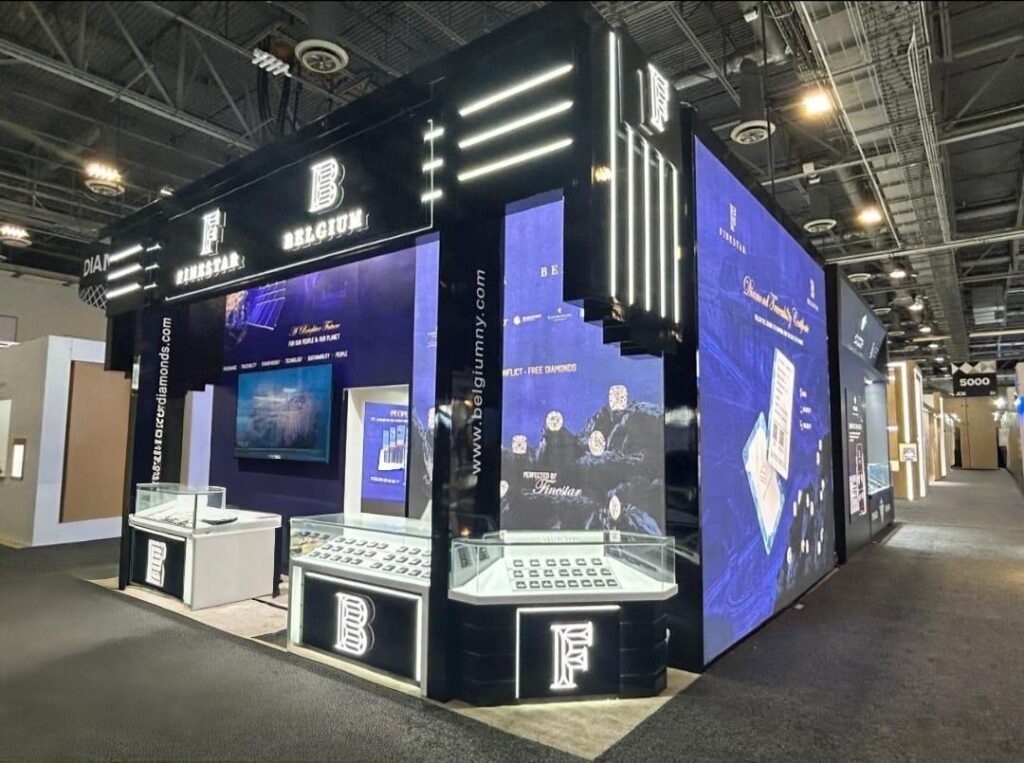

Exhibitors planning their next show almost always hit the same fork in the road: go modular, or go fully custom. Both can look impressive on the show floor, but they solve different problems and come with different trade-offs. Here’s a clear breakdown to help you choose based on how you actually exhibit not just what looks best in a rendering.
The Core Difference
A custom stand is designed and built from scratch for a specific show, footprint, and brand story. Nothing about it is reused as-is; every element is purpose-built.
Modular exhibition stands, on the other hand, are built from a system of reusable components panels, frames, connectors, lighting that can be reconfigured into different layouts and sizes across multiple events. The design changes each time, but the underlying structure doesn’t have to be rebuilt from zero.
Neither option is inherently better. The right choice depends on your show frequency, budget structure, and how much your space requirements change from event to event.
When Modular Makes More Sense
You exhibit frequently. If you’re doing five, ten, or more shows a year, rebuilding a stand from scratch each time is expensive and slow. Reconfigurable, reusable components let you refresh the layout without starting over.
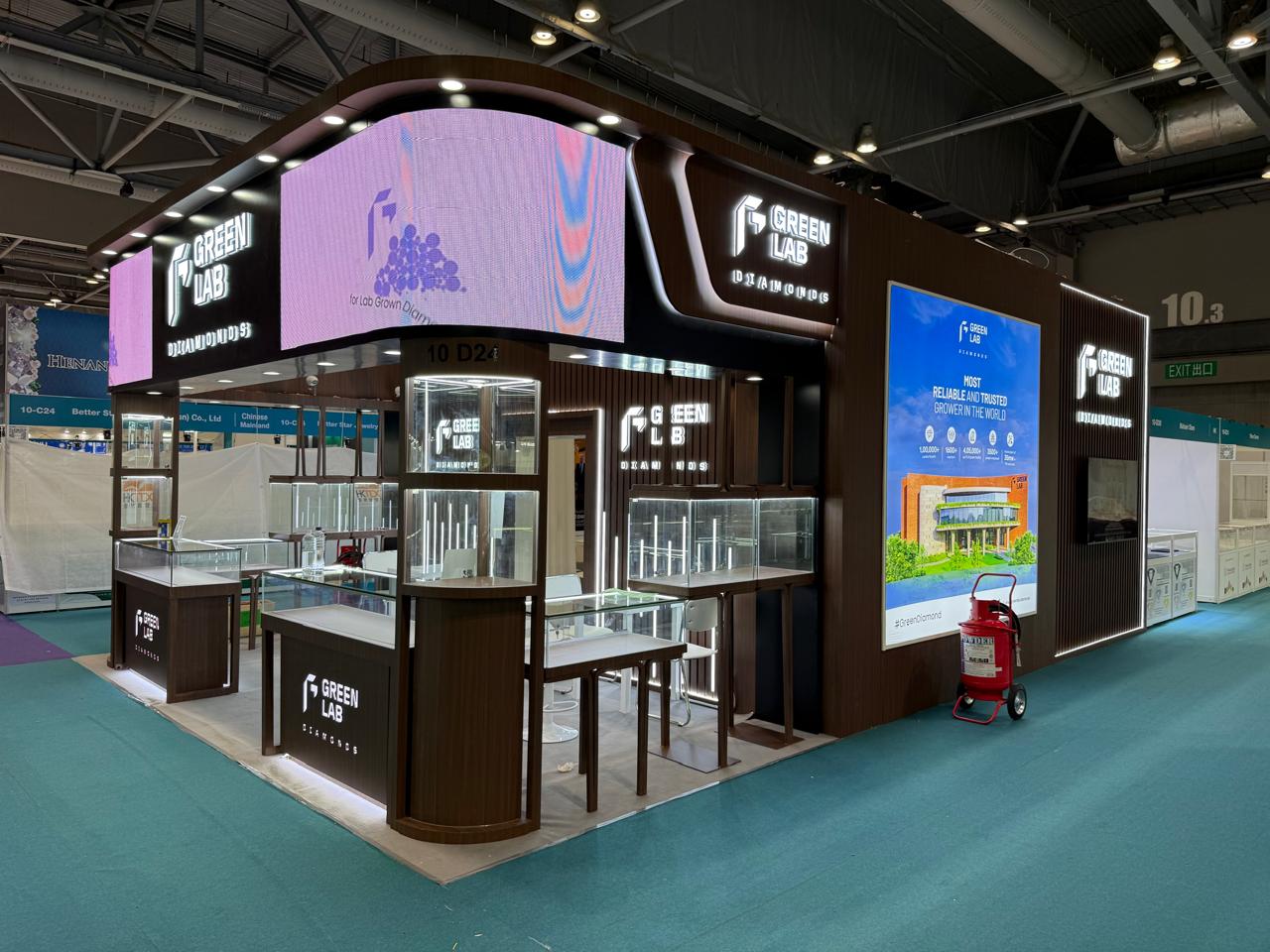
Your footprint changes between shows. A 10×10 at one event and a 20×20 at the next is a common reality for growing exhibitors. Well-designed modular displays for trade shows are built precisely to scale up or down without needing an entirely new structure.
You need faster turnaround. Because the components already exist, working with experienced modular exhibition stand builders typically means shorter production timelines compared to a full custom build.
Budget predictability matters. Since the core system is reused, costs after the first show are largely tied to reconfiguration and refresh not full reconstruction making year-over-year budgeting easier to forecast.
When Custom Makes More Sense
You have one flagship show that matters most. If a single annual event drives the majority of your leads or brand visibility, a fully custom build lets you create something no reusable system can replicate unique architecture, bespoke materials, and a layout built around that specific hall.
Your brand story needs a distinctive physical form. Some brand experiences genuinely require custom geometry, unconventional materials, or structural features that modular systems aren’t designed to support.
You’re not exhibiting often enough to justify reuse. If you attend one or two shows a year with very different requirements each time, the reuse advantage of a modular system matters less.
Where the Two Approaches Actually Overlap
Modern exhibition design has blurred the line more than most exhibitors realize. Skilled modular exhibition stand designers can now create builds that look custom with tension fabric, backlit graphics, and architectural detailing while still retaining a reusable frame underneath. This “custom-modular hybrid” approach has become one of the most cost-effective options for exhibitors who want a distinctive look without rebuilding every time.
The key is booth design that treats modularity as a creative framework, not a limitation. A rigid, uninspired modular booth design is usually a sign of a limited component system or a designer unfamiliar with what modern modular hardware can actually do not a flaw of modular exhibiting itself.
A Quick Decision Framework
Ask yourself these questions before choosing:
- How many shows will this stand be used for over the next two years? More than three or four points toward modular.
- Does your footprint change significantly between shows? If yes, modular offers more flexibility.
- Is there one show where budget and impact matter far more than any other? That’s often where custom earns its cost.
- How much storage and refurbishment support can you realistically manage? Modular systems reduce this burden considerably.
- Does your brand story require unconventional architecture or materials? If so, lean custom.
The Bottom Line
Neither modular nor custom is the “better” choice in absolute terms the right answer depends entirely on your show calendar and how your space needs shift from one event to the next. Frequent exhibitors with changing footprints generally get more value from a well-designed modular system, while brands anchoring their strategy around a single major show often get more from a fully custom build.
Whichever direction fits your situation, work with a team that can show you real examples of both approaches, not just render one option because it’s what they specialize in building.