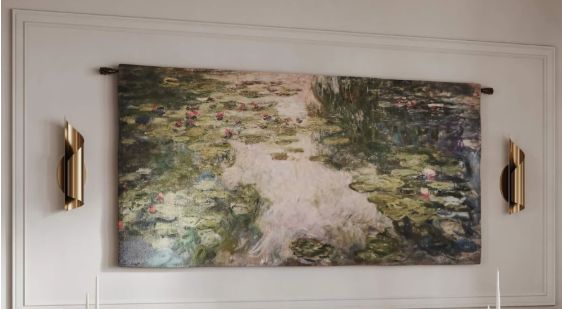

Interior design trends continue to evolve, yet historical art styles remain popular for homeowners who want to create unique and meaningful spaces. Medieval-inspired décor, in particular, has gained attention for its rich textures, storytelling elements, and timeless artistic value. In the middle of many traditional and modern interiors, a medieval tapestry can serve as both a decorative centerpiece and a reflection of cultural history.
Originally created during the Middle Ages, tapestries were more than decorative pieces. They were used to insulate castles, display wealth, and communicate stories through woven imagery. Today, these artistic textiles continue to inspire people who appreciate detailed craftsmanship and historical design.
The Historical Importance of Medieval Tapestries
Medieval tapestries became especially popular throughout Europe between the 14th and 16th centuries. Skilled artisans carefully wove scenes that represented mythology, religious themes, hunting traditions, and important historical events.
Unlike paintings, tapestries offered practical benefits as well. Thick woven materials helped reduce cold drafts in large stone buildings while also improving interior acoustics. Their ability to combine beauty with functionality made them highly valued decorative items among nobles and royal households.
The artistic techniques used during this period required exceptional craftsmanship. Creating a single tapestry could take months or even years, depending on its size and complexity.
Why Medieval Décor Still Appeals Today?
Modern homeowners often seek décor that adds character and personality to living spaces. Historical art styles provide a sense of depth and authenticity that mass-produced decorations sometimes lack.
A carefully selected medieval tapestry can introduce warmth, texture, and artistic detail into contemporary interiors. Many people appreciate the storytelling elements woven into traditional designs, which often include landscapes, symbolic figures, and intricate patterns.
The versatility of medieval-inspired décor also contributes to its lasting popularity. These pieces can complement rustic interiors, vintage themes, traditional spaces, and even minimalist rooms when used thoughtfully.
Using Tapestries as Decorative Statement Pieces
Large textile art pieces naturally attract attention within a room. Because of their size and detail, tapestries often become focal points in bedrooms, dining areas, libraries, or living rooms.
A decorative wall tapestry can soften empty wall spaces while adding visual interest without overwhelming the room. The woven textures also help create a more comfortable and inviting atmosphere compared to flat printed artwork.
Interior designers frequently use textile décor to balance hard surfaces such as wood, stone, or metal. The fabric elements help make spaces feel more layered and visually complete.
Placement also matters when displaying tapestry art. Hanging pieces in areas with natural lighting can highlight woven textures and reveal intricate design details more effectively.
The Craftsmanship Behind Traditional Textile Art
One reason tapestries continue to be admired is the craftsmanship involved in their production. Traditional weaving techniques require precision, patience, and artistic skill.
Historically, artisans used wool, silk, and natural dyes to create vibrant scenes with remarkable durability. Many antique tapestries have survived for centuries due to the strength of their woven construction.
Even modern reproductions often attempt to preserve the appearance and texture of traditional weaving methods. Detailed patterns and layered colors continue to make tapestry art visually distinctive compared to standard printed decorations.
A well-designed tapestry wall hanging can introduce a handcrafted feel into modern homes while preserving the visual influence of historical artistry.
How Medieval Art Influences Modern Interior Trends?
Many current design trends borrow inspiration from historical aesthetics. Earth-tone color palettes, vintage textures, and handcrafted décor have all become increasingly popular in recent years.
Medieval-inspired elements work well with modern interior trends because they emphasize natural materials and artistic individuality. Instead of relying solely on minimalism, many homeowners now prefer layered spaces that feel more personal and visually rich.
Textile art also aligns with the growing appreciation for sustainable and long-lasting décor choices. Unlike short-term decorative trends, classic woven art often maintains its appeal for decades.
Conclusion
Historical textile art remains an important part of interior design because of its ability to combine craftsmanship, storytelling, and decorative beauty. Today, many homeowners are also exploring artistic options such as customized Tapestry designs to create décor that reflects both historical inspiration and personal style preferences. From traditional castles to modern homes, tapestry art continues to create warmth and visual depth within interior spaces.