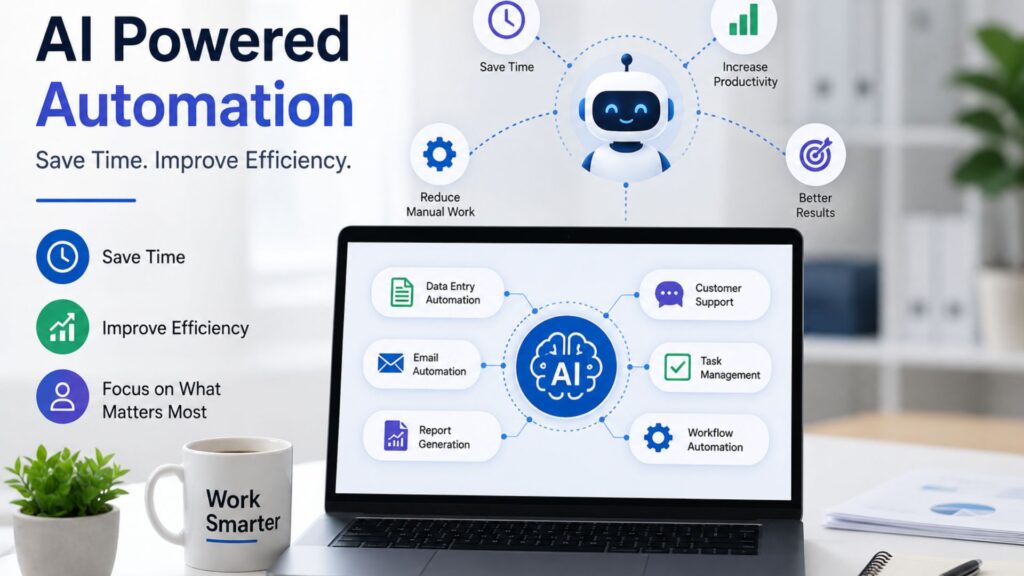

Running a business often means handling many repetitive tasks every day. Teams spend hours answering common questions, updating records, sending emails, managing appointments, and preparing reports. These tasks are important, but they can take attention away from work that drives growth.
This is where ai powered automation is making a real difference. Businesses are using intelligent tools and software integrations to reduce manual work, improve productivity, and help employees focus on more meaningful tasks. Instead of spending time on routine activities, teams can work on projects that require creativity, problem-solving, and customer engagement.
Why Businesses Are Looking for Smarter Workflows
Most businesses want to work faster without increasing workloads. As companies grow, daily operations become more complex. Customer requests increase, data volumes grow, and internal processes require more coordination.
Manual processes often create delays. Employees may spend hours transferring information between systems, responding to repeated inquiries, or tracking routine updates.
Modern workflow solutions help businesses reduce these challenges. By improving how tasks move through a process, companies can save time and improve overall efficiency.
When routine work is reduced, teams can focus more on serving customers and improving business performance.
How Automated Workflows Reduce Repetitive Tasks
Many business activities follow the same pattern every day. Customer inquiries arrive, appointments are booked, forms are submitted, and notifications need to be sent.
Workflow automation can handle many of these activities automatically.
For example:
- Appointment confirmations can be sent instantly.
- Customer inquiries can receive immediate responses.
- Reports can be generated automatically.
- Internal notifications can be delivered without manual effort.
- Data can move between systems with fewer manual steps.
These improvements reduce the amount of repetitive work employees must handle each day.
Better Customer Service Without Extra Work
Customers expect quick responses. Waiting hours or days for simple answers can create frustration.
Businesses are using intelligent support tools to respond faster. These systems can answer common questions, provide basic information, and guide users through simple processes.
This allows support teams to spend more time helping customers with complex issues.
Faster response times often lead to better customer experiences. People appreciate receiving information quickly, especially when they need help with orders, appointments, or account-related questions.
A business that responds efficiently often creates a stronger impression on customers.
How an AI Automation Consultant Can Help Identify Opportunities
Many business owners know they want to improve efficiency but are unsure where to start.
An ai automation consultant can help identify processes that consume too much time and recommend practical improvements. This may include reviewing customer support workflows, internal reporting systems, scheduling processes, or business software integrations.
The goal is not to replace people. The goal is to reduce repetitive work so employees can focus on higher-value activities.
Starting with a few simple improvements often produces noticeable results without creating major disruptions to existing operations.
Improving Productivity Across Different Departments
Automation is not limited to one area of a business. Different departments can benefit from smarter workflows.
Sales Teams
Sales representatives spend time entering data, updating records, and following up with leads.
Automated systems can help organize information, send reminders, and track customer interactions more efficiently.
Customer Support Teams
Support staff often answer the same questions repeatedly.
Intelligent support tools can handle common requests, allowing team members to focus on more detailed customer concerns.
Operations Teams
Operations departments manage schedules, approvals, and internal communication.
Automated workflows can reduce delays and help teams complete tasks more quickly.
Marketing Teams
Marketing teams often manage emails, lead tracking, and campaign reporting.
Workflow improvements can simplify these activities and reduce manual effort.
Faster Access to Business Information
Businesses make better decisions when information is easy to access.
Many organizations collect large amounts of data from customers, sales activities, and daily operations. However, manually reviewing information takes time.
Modern business tools can organize information and present useful insights more efficiently. Managers can review performance data, monitor trends, and identify opportunities without spending hours compiling reports.
This helps teams respond faster and make informed decisions.
Common Examples of Workflow Improvements
Many businesses are already using intelligent business tools in practical ways.
Some common examples include:
- Automated appointment scheduling
- Customer service chat assistance
- Order tracking notifications
- Employee onboarding workflows
- Lead qualification systems
- Invoice processing
- Inventory updates
- Internal approval processes
These solutions help businesses reduce delays and improve consistency across daily operations.
Even small workflow improvements can create significant time savings over weeks and months.
Supporting Business Growth Without Increasing Complexity
As businesses grow, processes often become more difficult to manage.
More customers create more requests. More employees create more communication needs. More data creates additional administrative work.
Workflow improvements help businesses handle growth more efficiently.
Instead of adding more manual steps, companies can create systems that support larger workloads without increasing complexity. This helps businesses maintain service quality while expanding operations.
The result is a smoother experience for both employees and customers.
Building a Practical Automation Strategy
Businesses do not need to automate everything at once.
A practical approach starts by identifying the tasks that consume the most time. These are often repetitive activities that occur daily or weekly.
Examples include:
- Scheduling appointments
- Sending follow-up emails
- Managing customer inquiries
- Updating records
- Creating reports
By improving one process at a time, businesses can see measurable improvements while keeping implementation simple.
Small changes often lead to meaningful gains in productivity and efficiency.
Moving Toward Smarter Business Operations
The growing interest in ai powered automation reflects a simple business goal: helping teams spend less time on repetitive work and more time on activities that create value. From customer support and scheduling to reporting and workflow management, intelligent business solutions can improve efficiency across many areas of an organization. For businesses exploring practical ways to improve operations, Summit Coders helps companies integrate modern software, workflow systems, and intelligent features that support productivity, better customer experiences, and sustainable business growth.