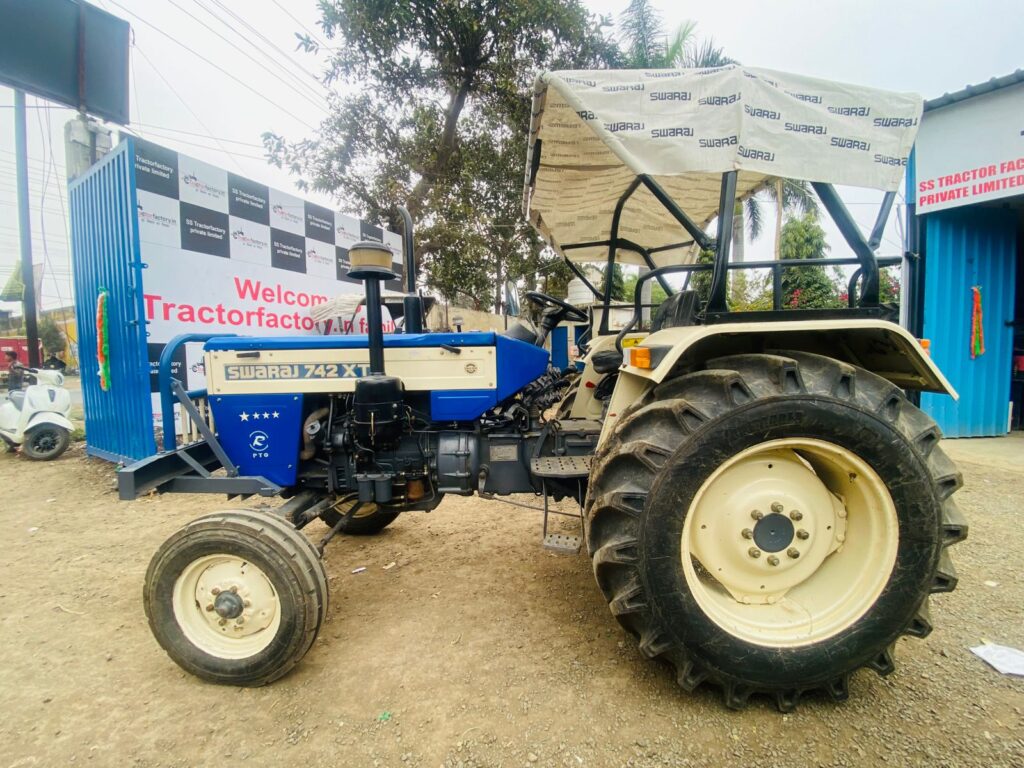

There’s something different about old tractors. You can hear it in the engine sound before the machine even reaches the field. The noise is rougher, slower, and somehow more honest. Many farmers still trust these machines more than some newer models, and after spending time around them, it’s easy to understand why.
An old tractor is not just an outdated farming vehicle sitting under a shed. In many villages across India, it still handles ploughing, trolley work, water tank transport, and even long hours during harvest season. Some of them have been running for twenty or thirty years. A few look worn out from the outside, but once the engine starts, they keep moving like they were built for endless work.
Why Farmers Still Prefer Old Tractors
Price is one reason, obviously. A brand-new tractor costs a serious amount of money now, especially for small farmers. Loan pressure is real, and not everyone wants monthly EMIs hanging over their head for years.
Old tractors give people another option.
A well-maintained second hand tractor can still perform daily farming jobs without creating a huge financial burden. Farmers often look for machines that are simple, strong, and easy to repair locally. Older tractor models usually fit that requirement perfectly.
Honestly, many people overlook this part. Modern tractors may come with extra technology, but older machines are often easier to understand. A local mechanic in a village can repair most problems without expensive software or special tools. That matters more than people think.
The Build Quality Was Surprisingly Tough
If you talk to experienced tractor owners, one thing comes up again and again — older tractors were built heavily. Thick metal body panels, simple mechanical systems, and engines designed for rough conditions made them extremely durable.
You notice it quickly once you start using one regularly.
Some old tractors survive years of overloaded trolley work, muddy roads, poor maintenance schedules, and long summer heat. Even after all that, they continue working. That kind of reliability creates trust between farmers and machines.
Models from brands like Mahindra & Mahindra, Sonalika, and Massey Ferguson still have older units operating in villages every single day. Spare parts are widely available, and mechanics already understand their systems well.
That part surprised me too when I first started noticing how many decades-old tractors were still actively being used.
Old Tractors Have Lower Running Stress
New machines sometimes create hidden stress. Owners worry about scratches, electronics, servicing costs, or warranty conditions. With old tractors, the mindset is different. People simply use them for work without constantly thinking about damaging something expensive.
There’s also less hesitation in difficult field conditions.
If the road is rocky or the land is uneven, farmers usually feel more comfortable pushing an older tractor harder. Since the machine has already handled years of rough use, small dents or scratches don’t become emotional issues.
Fuel consumption depends on the model and condition, of course, but many older tractors still give decent mileage for regular farming tasks. Proper maintenance changes everything.
Maintenance Makes or Breaks the Machine
An old tractor can either become a dependable work partner or a complete headache. The difference usually comes down to maintenance history.
A tractor with regular engine oil changes, proper greasing, clean filters, and timely repairs can stay productive for years. On the other hand, neglected machines start showing problems everywhere — weak hydraulics, overheating, smoke, steering issues, and gearbox trouble.
People buying used tractors often focus only on appearance. That’s a mistake.
Fresh paint can hide problems temporarily. Experienced buyers usually check engine sound, tyre wear, hydraulic lifting strength, clutch response, and starting performance before making a decision. Some even inspect the tractor during actual field work instead of trusting a short engine demo.
Older Tractors Are Easier to Repair
One major reason behind the popularity of old tractors is repair accessibility. Rural mechanics know these machines inside out. Many learned tractor repair by working on these exact models for years.
A simple mechanical fuel pump or clutch repair doesn’t scare local workshops. Parts can often be arranged quickly from nearby tractor markets as well.
With newer tractors, electronics sometimes complicate the process. Sensors, digital systems, and advanced controls improve performance in certain situations, but repairs may become costlier. Older tractors avoid most of that complexity.
For farmers working on tight budgets, simple repair systems matter a lot more than flashy features.
The Emotional Connection Is Real
This part rarely gets discussed properly.
Many old tractors stay in families for generations. A farmer may have bought the machine during the early years of building his land or expanding farming work. Over time, the tractor becomes part of family memories.
Children learn driving on it. Seasonal harvest journeys happen with it. Some tractors even participate in weddings or local village events carrying decorated trolleys.
It sounds emotional because it is.
Machines connected to daily life for decades naturally become more than equipment. Selling them is not always easy, even when newer options become available.
Used Tractor Markets Are Growing Fast
Demand for second hand tractors has increased steadily over the last few years. Buyers now search online, compare prices, and even inspect tractors through videos before visiting sellers physically.
Websites like Tractor Factory focus specifically on used tractors and farming equipment. Farmers can explore different models, compare conditions, and connect with sellers more easily than before.
Local tractor dealers have also started paying more attention to resale markets because demand is consistent. Small farmers, transport workers, and even rural contractors prefer affordable machines that can start earning immediately.
A good old tractor often gets sold quickly if the condition is reliable.
Things Buyers Should Check Before Purchasing
Buying an old tractor without inspection is risky. Some issues remain hidden until heavy work begins. Smart buyers usually spend extra time checking details carefully.
The engine should start smoothly without excessive smoke. Gear shifting must feel stable. Hydraulic lifting should respond properly under load. Tyres matter too because replacing all four can become expensive.
Service history helps if available, although many older tractors don’t have complete records.
Another useful trick is checking how the owner speaks about the machine. Farmers who maintained tractors properly usually explain repairs honestly and remember maintenance details clearly. That conversation reveals more than people expect.
Old Tractors Still Have a Future
People often assume older tractors will disappear soon, but that doesn’t seem realistic right now. Across Indian farming regions, affordability still drives purchasing decisions heavily.
Not every farmer needs advanced GPS systems or highly computerized controls. Many simply need a reliable tractor that starts early in the morning and handles daily work without constant expense.
Old tractors continue filling that role successfully.
Some owners even restore classic tractor models now. They repaint them, rebuild engines, replace worn parts, and preserve them almost like vintage vehicles. There’s pride attached to keeping an old machine alive and working properly.
And honestly, when you see a decades-old tractor pulling steadily through a field while newer vehicles struggle nearby, you start respecting those older machines differently.
https://www.codifypedia.com/blog/A-Decent-Old-Tractor-Costs-Far-Less-Compared-To-A-New-Model