
Introduction
In today’s automotive industry, vehicle safety, efficiency, and performance depend heavily on proper tire maintenance. One of the most important advancements in tire technology is the Tire Pressure Monitoring System (TPMS), which helps drivers maintain optimal tire pressure and avoid potential hazards on the road. As TPMS technology becomes standard in modern vehicles, workshops, garages, fleet operators, and mobile technicians require specialized equipment to diagnose, service, and maintain these systems effectively.
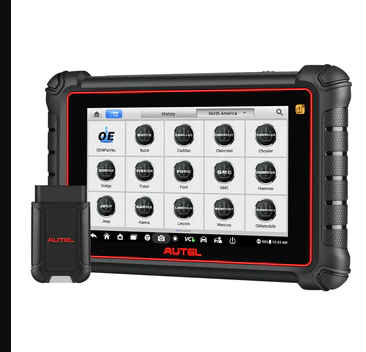
A tire pressure monitor system tool has become an essential piece of equipment for automotive professionals. These tools allow technicians to activate, diagnose, program, and relearn TPMS sensors, ensuring vehicles remain compliant with safety standards and operate at peak performance. Businesses that invest in quality TPMS equipment can improve service efficiency, reduce diagnostic time, and provide greater value to their customers.
M3CHS supplies garages, workshops, fleet operators, mobile technicians, and automotive businesses across the UK with quality workshop consumables, specialist equipment, and trade-only products. Their commitment to supporting automotive professionals makes them a trusted source for essential workshop solutions, including TPMS-related equipment.
Understanding Tire Pressure Monitoring Systems
A Tire Pressure Monitoring System is an electronic system designed to monitor the air pressure inside a vehicle’s tires. The system alerts drivers when tire pressure falls below recommended levels, helping prevent accidents caused by underinflated tires.
Modern vehicles typically use one of two TPMS technologies:
Direct TPMS
Direct TPMS uses pressure sensors mounted inside each wheel. These sensors measure tire pressure in real time and transmit data to the vehicle’s onboard computer.
Indirect TPMS
Indirect TPMS relies on wheel speed sensors and other vehicle systems to estimate tire pressure based on tire rotation characteristics.
While both systems improve vehicle safety, direct TPMS systems require specialized tools for maintenance, programming, sensor replacement, and diagnostics.
The Growing Importance of TPMS Technology
Automotive manufacturers continue to prioritize vehicle safety and fuel efficiency. As a result, TPMS technology has become increasingly common across passenger vehicles, commercial fleets, and specialty vehicles.
Several factors contribute to the growing importance of TPMS systems:
Enhanced Road Safety
Properly inflated tires provide better traction, braking performance, and handling. TPMS alerts drivers before tire pressure reaches dangerous levels.
Improved Fuel Efficiency
Underinflated tires create additional rolling resistance, increasing fuel consumption. Monitoring tire pressure helps drivers maintain optimal efficiency.
Reduced Tire Wear
Maintaining proper tire pressure extends tire lifespan and reduces uneven wear patterns.
Regulatory Compliance
Many regions require TPMS functionality as part of vehicle safety regulations. Workshops must ensure systems operate correctly during servicing.
These factors have significantly increased demand for professional TPMS servicing capabilities.
What Is a Tire Pressure Monitor System Tool?
A tire pressure monitor system tool is a specialized diagnostic device used to communicate with TPMS sensors. It enables technicians to perform a variety of service procedures that would otherwise be difficult or impossible.
These tools can:
- Activate TPMS sensors
- Read sensor information
- Diagnose sensor faults
- Program replacement sensors
- Relearn sensor positions
- Reset warning lights
- Verify TPMS functionality
- Support vehicle maintenance procedures
Modern TPMS tools are designed to support a wide range of vehicle makes and models, making them invaluable for multi-brand workshops.
Benefits for Garages and Workshops
Workshops that invest in professional TPMS equipment gain several operational advantages.
Faster Diagnostics
Technicians can quickly identify sensor faults without extensive manual inspections. Faster diagnostics reduce vehicle downtime and increase workshop productivity.
Improved Customer Satisfaction
Customers appreciate accurate diagnoses and efficient repairs. Reliable TPMS servicing helps build trust and encourages repeat business.
Expanded Service Offerings
TPMS capabilities allow workshops to offer additional maintenance services, creating new revenue opportunities.
Reduced Labor Costs
Advanced diagnostic features streamline troubleshooting processes, reducing the time required for repairs.
Professional Service Standards
Using specialized equipment demonstrates professionalism and technical competence, enhancing a workshop’s reputation.
Supporting Fleet Operators
Fleet operators manage multiple vehicles and must maintain high safety standards while minimizing downtime.
TPMS servicing plays a vital role in fleet maintenance because:
Preventive Maintenance
Early detection of pressure-related issues helps prevent tire failures and costly roadside breakdowns.
Lower Operating Costs
Proper tire inflation improves fuel economy and extends tire life across the fleet.
Increased Vehicle Availability
Efficient TPMS diagnostics reduce maintenance delays and keep vehicles on the road.
Enhanced Driver Safety
Drivers receive timely warnings about tire pressure issues, reducing accident risks.
Fleet operators that utilize a quality tire pressure monitor system tool can streamline maintenance operations and improve overall fleet performance.
Advantages for Mobile Technicians
Mobile technicians face unique challenges because they often work at customer locations rather than fully equipped workshops.
Portable TPMS tools provide several advantages:
On-Site Diagnostics
Technicians can diagnose TPMS issues without transporting vehicles to a garage.
Greater Service Flexibility
Portable tools support a wider range of repair and maintenance tasks in the field.
Faster Customer Response
Mobile service providers can address TPMS concerns quickly and efficiently.
Improved Productivity
Compact equipment allows technicians to complete more jobs in less time.
These benefits make TPMS tools particularly valuable for mobile automotive professionals.
Key Features to Look for in TPMS Equipment
Not all TPMS tools offer the same capabilities. Automotive professionals should evaluate several important features before making a purchase.
Vehicle Coverage
Broad compatibility ensures support for multiple manufacturers and vehicle models.
Sensor Programming
Programming functionality allows technicians to configure replacement sensors efficiently.
Relearn Procedures
Support for relearn procedures helps ensure sensors communicate correctly with vehicle systems.
Wireless Connectivity
Modern tools often feature wireless communication for easier updates and data management.
User-Friendly Interface
An intuitive interface reduces training requirements and improves productivity.
Software Updates
Regular updates ensure compatibility with new vehicles and sensor technologies.
Selecting equipment with these capabilities helps maximize long-term value.
How TPMS Tools Improve Workshop Efficiency
Efficiency is a critical factor in workshop profitability. TPMS equipment contributes to operational improvements in several ways.
Reduced Diagnostic Time
Automated scanning functions quickly identify issues and eliminate guesswork.
Streamlined Repairs
Technicians can complete TPMS procedures more efficiently using dedicated equipment.
Increased Vehicle Throughput
Faster service allows workshops to handle more customers each day.
Consistent Results
Standardized diagnostic procedures improve repair accuracy and reduce callbacks.
Better Resource Allocation
Technicians spend less time troubleshooting and more time performing productive work.
These improvements contribute directly to higher profitability and customer satisfaction.
Common TPMS Services Performed by Professionals
Workshops frequently perform a variety of TPMS-related services.
Sensor Testing
Testing confirms whether sensors are functioning properly and transmitting accurate data.
Sensor Replacement
Damaged or expired sensors require replacement to maintain system reliability.
Sensor Programming
Replacement sensors often need programming before installation.
TPMS Relearn Procedures
Vehicles may require relearn procedures after tire rotations or sensor replacements.
System Diagnostics
Comprehensive diagnostics identify communication errors and system faults.
Warning Light Resets
After repairs are completed, technicians reset TPMS warning indicators.
A reliable tire pressure monitor system tool supports each of these critical service functions.
The Future of TPMS Technology
Automotive technology continues to evolve rapidly. Future TPMS systems are expected to become more sophisticated and integrated with broader vehicle safety systems.
Emerging developments may include:
Advanced Sensor Capabilities
Future sensors could monitor additional parameters beyond tire pressure.
Connected Vehicle Integration
TPMS data may become more closely integrated with telematics and fleet management systems.
Predictive Maintenance
Artificial intelligence could use TPMS data to predict tire-related maintenance needs.
Enhanced Diagnostic Functions
New diagnostic technologies may provide deeper insights into tire performance and safety.
As these advancements continue, professional workshops will need modern tools capable of supporting evolving vehicle technologies.
Why Quality Equipment Matters
Investing in high-quality workshop equipment delivers long-term benefits that extend beyond immediate operational needs.
Quality TPMS tools provide:
- Greater reliability
- Improved diagnostic accuracy
- Longer service life
- Better software support
- Enhanced technician productivity
- Increased customer confidence
For businesses seeking sustainable growth, equipment quality should remain a top priority.
Choosing the Right Supplier
Selecting a reputable supplier is just as important as choosing the right equipment.
Automotive businesses benefit from suppliers that offer:
Industry Expertise
Knowledgeable suppliers can recommend products that match specific operational requirements.
Reliable Product Availability
Consistent stock levels help businesses obtain equipment when needed.
Technical Support
Access to support services helps resolve issues quickly.
Ongoing Product Updates
Suppliers that stay current with industry developments provide greater long-term value.
M3CHS continues to support automotive professionals throughout the UK by providing quality workshop consumables, specialist equipment, and trade-only products tailored to the needs of garages, workshops, fleet operators, and mobile technicians.
The Bottom Line
As TPMS technology becomes increasingly common across modern vehicles, workshops must be equipped to diagnose, maintain, and service these systems effectively. Investing in a professional tire pressure monitor system tool enables technicians to deliver faster diagnostics, accurate repairs, and reliable maintenance services while improving operational efficiency and customer satisfaction.
For garages, fleet operators, and mobile technicians, TPMS capabilities are no longer optional—they are an essential part of modern vehicle servicing. By choosing dependable equipment from trusted suppliers such as M3CHS, automotive businesses can stay prepared for evolving vehicle technologies, meet customer expectations, and maintain high standards of safety and performance.
A quality tire pressure monitor system tool is more than a diagnostic device; it is a valuable investment that supports productivity, professionalism, and long-term business success in today’s competitive automotive industry.