
Introduction
Morning routines have always played a powerful role in shaping how people feel, think, and perform throughout the day. For decades, coffee has been the undisputed champion of morning energy, offering a quick and familiar boost that helps people transition from sleep to productivity. However, in recent years, a new ritual has been steadily rising in popularity among athletes, entrepreneurs, and wellness enthusiasts, which is cold plunging. Instead of reaching for caffeine immediately after waking up, many people are now immersing themselves in cold water to activate their body and mind in a more natural and physically engaging way.
This shift is being driven by the growing availability of cold plunge tubs, along with advanced commercial cold plunge systems that make the experience easier, safer, and more consistent than traditional ice baths. What was once considered an extreme recovery technique has now become a structured wellness habit that people use daily to improve energy, focus, and mental resilience. The appeal lies not only in the physical benefits but also in the psychological reset that comes from willingly entering discomfort first thing in the morning.
The Physiology of Cold Plunging and Why It Works
When a person enters a cold plunge tub, the body responds immediately and instinctively. The sudden exposure to cold water activates the sympathetic nervous system, which is responsible for the “fight or flight” response. This leads to a rapid increase in heart rate, deeper breathing, and a surge of alertness that wakes the body far more abruptly than caffeine ever could. Although this reaction may feel intense at first, it is precisely this controlled stress response that creates many of the benefits associated with cold exposure.
At a biochemical level, cold immersion stimulates the release of norepinephrine, a powerful neurotransmitter that plays a central role in focus, attention, and mood regulation. Elevated norepinephrine levels are often associated with heightened mental clarity and improved cognitive performance. This is one reason why individuals who regularly use cold plunge tubs often describe their mornings as sharper, clearer, and more productive compared to caffeine-based routines.
In addition to neurological effects, cold exposure also activates brown adipose tissue, commonly known as brown fat. Unlike regular fat, brown fat generates heat by burning calories, which increases metabolic activity and improves the body’s ability to regulate temperature. Over time, repeated exposure through commercial cold plunge systems can help the body adapt more efficiently to temperature stress, making each session more tolerable and beneficial.
Another important aspect of cold plunging is its effect on inflammation. Cold water immersion is widely used in athletic recovery because it can help reduce muscle soreness and support post-exercise recovery. While the mechanism is still being studied, it is believed that cold exposure helps constrict blood vessels and reduce inflammatory responses temporarily, allowing the body to recover more effectively afterward.
Unlike coffee, which works primarily by blocking fatigue signals in the brain, cold plunging activates multiple physiological systems at once. This makes the experience not just a mental stimulant but a full-body activation process that influences circulation, metabolism, and nervous system balance simultaneously.
Mental Clarity, Emotional Resilience, and Energy Stability
One of the most compelling reasons people are replacing or supplementing their coffee with cold plunging is the difference in how the energy feels throughout the day. Coffee often delivers a quick spike in alertness followed by a gradual decline, which can leave some individuals feeling tired or unfocused later in the morning. Cold plunging, on the other hand, creates a more stable and sustained sense of alertness that does not rely on external stimulants.
When using cold plunge tubs regularly, the body begins to adapt to short bursts of controlled stress. This adaptation strengthens the nervous system’s ability to regulate stress responses more effectively over time. As a result, individuals often report feeling calmer under pressure and more emotionally balanced in their daily lives. This is because cold exposure trains the body to recover quickly from sudden stress, both physically and mentally.
The psychological effects of cold plunging are equally significant. Entering cold water requires intentional effort, discipline, and mental commitment, especially in the early stages of the habit. This act of willingly facing discomfort builds what many describe as mental toughness. Over time, this daily challenge can create a sense of accomplishment that carries over into other areas of life, such as work, fitness, and decision-making.
Another important factor is dopamine regulation. Cold exposure has been shown to increase dopamine levels in a way that is more sustained compared to the quick spikes caused by caffeine or other stimulants. This steady increase contributes to improved motivation, better mood stability, and a stronger sense of focus throughout the day. Users of commercial cold plunge systems often describe this effect as a “clean” and long-lasting sense of drive that does not come with jitteriness or crashes.
Because of these combined effects, cold plunging is increasingly viewed not just as a recovery tool but as a performance enhancement habit. It supports both emotional resilience and cognitive sharpness, making it appealing to professionals who want consistent energy without depending heavily on stimulants.
The Growth of Commercial Cold Plunge Systems in Modern Wellness
The rising popularity of cold plunging has led to significant innovation in how it is delivered and experienced. In the past, cold exposure was typically limited to natural bodies of water, ice baths prepared manually, or simple DIY setups at home. These methods were often inconsistent, uncomfortable, and difficult to maintain regularly. However, the introduction of modern commercial cold plunge systems has completely transformed accessibility and usability.
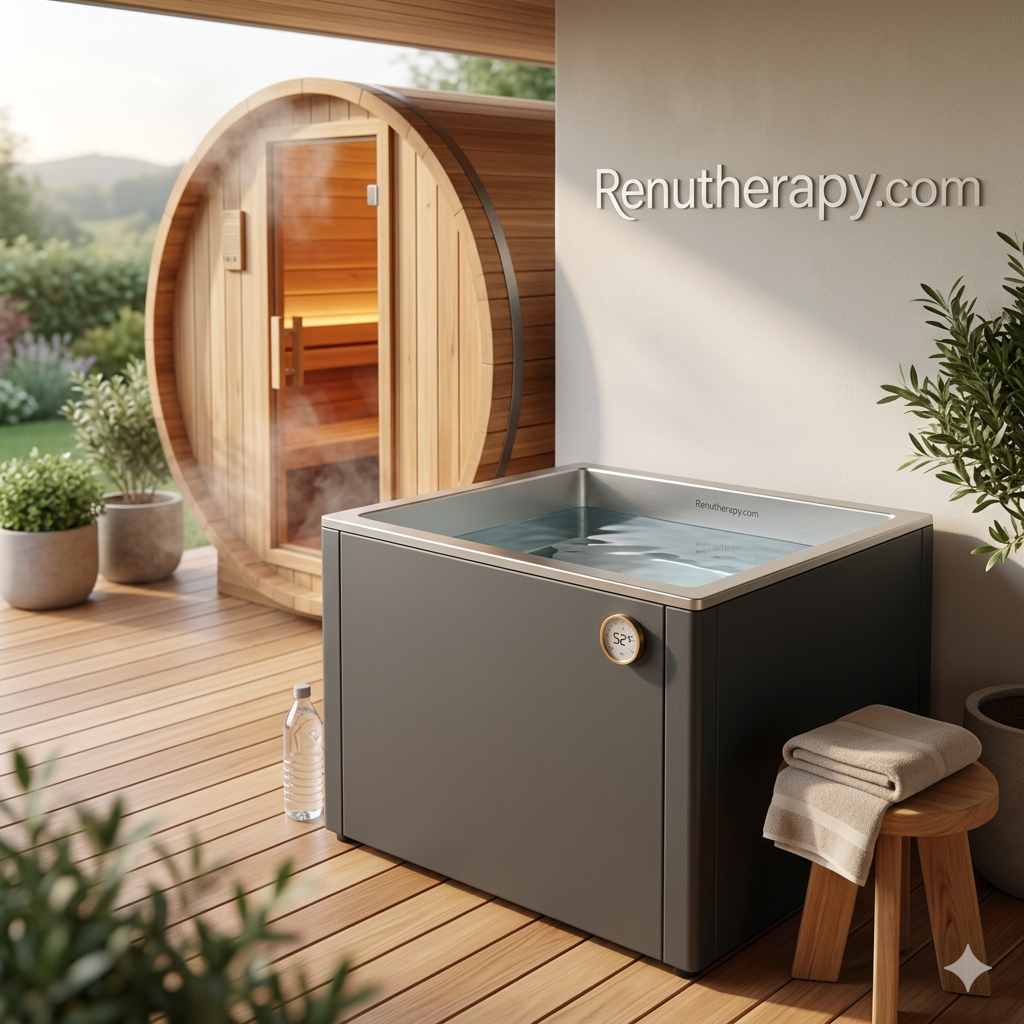
Today’s cold plunge tubs are designed with precision cooling technology that allows users to set and maintain specific temperatures consistently. This level of control is essential for achieving the full benefits of cold exposure, as temperature stability ensures the body experiences predictable and repeatable stress responses. Whether used in a gym, wellness center, spa, or private home, these systems provide a reliable way to integrate cold therapy into daily life.
Another major advancement is water quality management. Modern commercial systems include built-in filtration and sanitation features that keep the water clean over extended use. This makes frequent immersion safe and practical, even in shared environments where multiple users are involved. The convenience of maintaining hygiene without constant manual effort is one of the key reasons these systems have become so widely adopted.
The design of cold plunge tubs has also evolved significantly to meet user comfort and efficiency needs. Many models now feature ergonomic seating, compact footprints, and energy-efficient cooling mechanisms that reduce operational costs. Some advanced commercial cold plunge setups even include digital controls and mobile connectivity, allowing users to adjust temperature settings or schedule cooling cycles remotely.
From a broader perspective, the rise of commercial cold plunging reflects a larger shift in the wellness industry toward recovery-based practices. Fitness centers and wellness studios are increasingly combining cold exposure with saunas, breathwork, and mobility training to create contrast therapy experiences. These combined modalities are designed to improve circulation, enhance recovery, and support overall physical and mental well-being.
As demand continues to grow, cold plunging is becoming less of a niche practice and more of a mainstream wellness standard, integrated into both personal health routines and professional recovery programs.
Building a Sustainable Morning Routine with Cold Exposure
Integrating cold plunging into a morning routine is most effective when approached gradually and consistently rather than aggressively. For beginners, even short exposure to cold water using cold plunge tubs can produce noticeable benefits in alertness and mood. Starting with brief durations, such as 30 seconds to one minute, allows the body to adapt without overwhelming the nervous system.
As tolerance improves, users often extend their sessions to several minutes, finding a balance between challenge and comfort. Many individuals also combine cold plunging with complementary practices such as controlled breathing exercises, light stretching, or mindfulness techniques. These preparatory steps help regulate breathing and reduce the initial shock response, making the experience more controlled and intentional.
A well-structured morning routine using a commercial cold plunge system might include waking up at a consistent time, hydrating the body, engaging in a few minutes of breathing exercises, and then entering the cold plunge for a short immersion. After exiting the water, many people choose to follow up with light movement or a warm shower to normalize body temperature before starting their day.
The key to success with cold exposure is consistency rather than intensity. Regular use of cold plunge tubs helps the body adapt over time, reducing discomfort and increasing the overall benefits of the practice. As the habit becomes part of a daily rhythm, many users notice that their reliance on caffeine decreases naturally, while their morning energy becomes more stable and predictable.
It is also important to recognize individual tolerance levels and avoid pushing too far too quickly. While cold plunging is generally safe for healthy individuals, those with certain medical conditions should consult a healthcare professional before starting a routine.
Conclusion: Redefining Morning Energy Through Cold Exposure
Cold plunging represents a fundamental shift in how people approach energy, discipline, and wellness in their daily lives. Instead of relying solely on stimulants like coffee to jumpstart the morning, more individuals are turning to cold exposure as a way to activate the body and mind through natural physiological processes. The experience of stepping into cold water may be uncomfortable at first, but it delivers a powerful sense of clarity, focus, and resilience that extends well beyond the initial immersion.
With the widespread availability of cold plunge tubs and the continued innovation of commercial cold plunge systems, this practice has become more accessible than ever before. What was once reserved for elite athletes and specialized recovery centers is now a practical daily habit for anyone looking to improve their physical and mental performance.