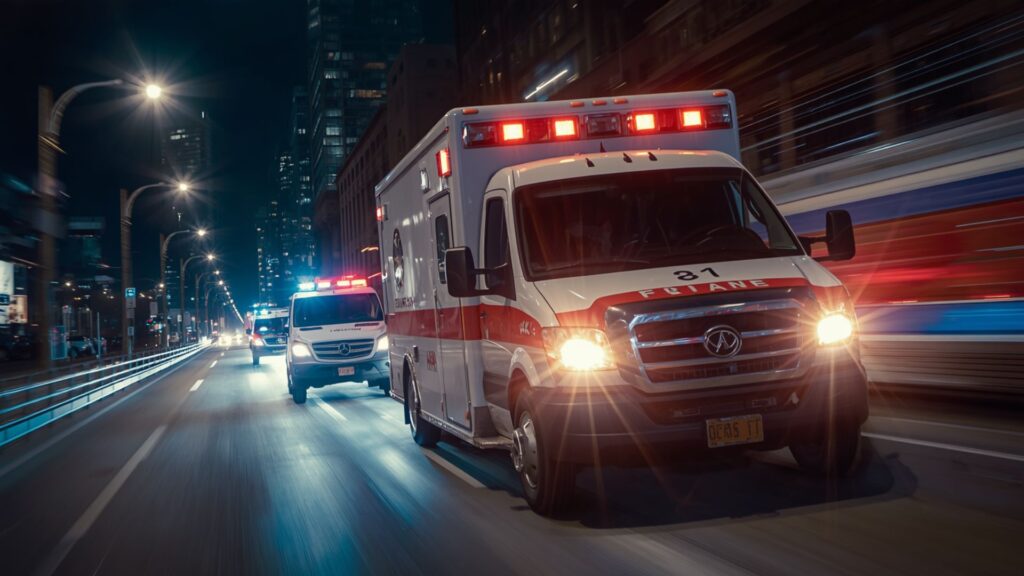

A loved one collapses. Someone chokes at the dinner table. A relative suddenly can’t breathe. In moments like these, the human brain often freezes and that freeze can cost precious minutes. Yet medical professionals agree on one thing: the actions taken during the first five minutes of a medical emergency often matter more than anything that happens after the ambulance arrives. A calm, correct medical emergency response in those early moments can mean the difference between a full recovery and a life-altering outcome. This guide walks you through exactly what to do and what to avoid so you’re prepared before an emergency ever happens, not during it.
Why the First 5 Minutes Matter So Much
Doctors often refer to the “golden hour” in trauma care the window in which treatment has the highest chance of preventing death. But within that hour, the first five minutes set everything in motion. This is when oxygen supply to the brain can be cut off during cardiac arrest, when bleeding can become life-threatening, and when shock can begin to set in. Paramedics who respond to thousands of emergencies each year will tell you the same thing: bystanders who stay calm and act correctly in those first moments consistently improve patient outcomes, long before any hospital gets involved.
Step-by-Step: What to Do When an Emergency Happens
Step 1: Assess the Situation Before You Act
Before rushing in, take three seconds to look around. Is there a fire, live electrical wire, traffic, or gas leak nearby? Helping a patient while putting yourself in danger only creates a second emergency. Once the area is safe, check if the person is conscious and breathing.
Step 2: Call for Help Immediately
Don’t wait to “see if it gets better.” Call your local ambulance helpline or a trusted 24/7 ambulance service the moment you sense something is seriously wrong. Speak clearly, share the exact location (landmarks help), and describe the symptoms chest pain, unconsciousness, heavy bleeding, or breathing difficulty. This is also the point where ambulance response time starts counting, so every second saved here directly affects how fast help reaches you.
Step 3: Check Breathing and Pulse
If the person is unconscious, gently tap their shoulder and ask loudly if they’re okay. If there’s no response, check if they’re breathing normally. No breathing or only gasping means you may need to start CPR — the ambulance dispatcher can often guide you through this over the phone until paramedics arrive.
Step 4: Control Visible Bleeding
For cuts or wounds, apply firm, direct pressure using a clean cloth. Don’t remove the cloth to check the wound repeatedly — this disturbs clot formation. Keep the injured area elevated above heart level if possible.
Step 5: Keep the Person Still and Comfortable
Unless there’s immediate danger (fire, flooding, traffic), avoid moving someone who may have a spinal, neck, or head injury. Loosen tight clothing, keep them warm, and reassure them — panic can worsen physical symptoms like heart rate and blood pressure.
A Real-World Scenario
Consider a common situation ambulance teams encounter: an elderly person suddenly slurring words and losing grip strength on one side — classic stroke symptoms. Families often waste critical minutes trying to get the person to “walk it off” or wait to see if symptoms pass. In stroke cases, every minute without treatment can cause further brain cell loss. The correct response is immediate: note the time symptoms started, call for an ambulance with ICU ambulance or advanced life support capability, and keep the patient lying down with their head slightly elevated.
Important Safety Tips: What NOT to Do
Even well-meaning bystanders make mistakes under pressure. Avoid these common errors:
- Don’t give food or water to someone who is unconscious, having chest pain, or about to undergo surgery.
- Don’t move a trauma patient unnecessarily, especially after a fall, accident, or suspected spinal injury.
- Don’t try to “wait it out”: symptoms like chest pain, slurred speech, or sudden weakness should never be monitored at home.
- Don’t crowd the patient: give them space and fresh air while one person manages the call for help.
- Don’t hang up too early: stay on the line with the ambulance dispatcher until told otherwise; they may guide you through life-saving steps.
- Don’t attempt to drive the patient yourself in serious cases regular vehicles lack oxygen support, monitoring equipment, and trained staff.
Why Choose a Professional Ambulance Service
Once the call is made, what happens next depends heavily on the quality of the medical emergency response team dispatched. A professional ambulance service offers advantages a private vehicle simply cannot:
- ICU ambulances equipped with monitors, oxygen support, and emergency medication for critical patients
- Ventilator ambulances for patients with breathing difficulties or respiratory failure
- 24/7 availability so help is never more than a phone call away, day or night
- Trained paramedics who can begin treatment — not just transport — the moment they arrive
- Faster, safer routing using experience with local roads and hospital protocols to cut down actual ambulance response time
We provide ambulance service in Zirakpur with rapid dispatch and fully equipped vehicles for exactly these situations, alongside coverage across Chandigarh for patients needing transfer to larger multi-specialty hospitals in the region.
Frequently Asked Questions
Q: What is the most important thing to do in a medical emergency? A: Stay calm and call for professional help immediately. Delaying the call is the single biggest factor that worsens outcomes in serious emergencies.
Q: Should I give CPR if I’m not trained? A: Yes, if the person shows no signs of breathing. Ambulance dispatchers can talk you through hands-only CPR over the phone until paramedics arrive.
Q: How can I reduce ambulance response time in an emergency? A: Share your exact location with landmarks, keep your phone line open, and if possible, have someone wait outside to guide the ambulance in.
Q: Is it safe to move someone who has fainted or fallen? A: Only move them if they’re in immediate danger. Otherwise, keep them still, especially if a head, neck, or spinal injury is suspected.
Q: What should I tell the ambulance operator on the call? A: Describe the symptoms, patient’s approximate age, consciousness level, and exact location. This helps dispatch the right type of ambulance, such as an ICU or ventilator unit.
Q: Can I request a specific type of ambulance, like an ICU ambulance? A: Yes. If you know the patient needs oxygen support or advanced monitoring, mention it during the call so the right vehicle is sent.
Q: What if the patient is unconscious and alone when I find them? A: Call for help first, then check breathing and pulse. Begin CPR if there’s no breathing, and stay on the line with emergency services for guidance.
Conclusion
Medical emergencies rarely arrive with a warning. What determines the outcome is often not the severity of the situation alone, but how the first five minutes are handled. Staying calm, knowing basic first response steps, and calling a professional ambulance service without delay can genuinely save a life. That’s exactly why Resq Ambulance exists to make sure trained help is never far away when you need it most. Preparedness isn’t about expecting the worst; it’s about being ready to respond correctly when it matters most.
Need an Ambulance Right Now?
Every second counts in a medical emergency. Call our 24/7 ambulance service in Zirakpur now for immediate dispatch of ICU and ventilator-equipped ambulances with trained paramedics ready to respond, day or night.