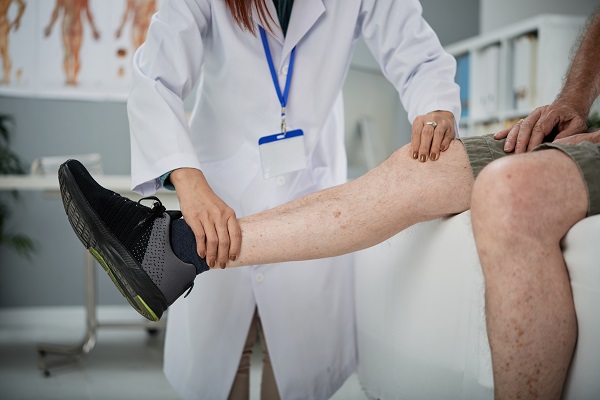

Knee pain can affect every aspect of daily life, from walking upstairs to enjoying favorite sports and recreational activities. Whether caused by injury, aging, or repetitive stress, knee problems often reduce mobility and significantly impact quality of life. Fortunately, advancements in orthopedic medicine have introduced minimally invasive techniques that help patients recover faster while achieving excellent outcomes.
Among these innovations, knee arthroscopy has become one of the most valuable tools in modern orthopedic care. Instead of relying solely on traditional open procedures, orthopedic specialists can now diagnose and treat many knee conditions with greater precision and less disruption to surrounding tissues. As medical technology continues to evolve, this procedure remains a cornerstone of effective joint care for people of all ages.
Understanding Knee Arthroscopy
Knee arthroscopy is a minimally invasive orthopedic procedure that allows surgeons to examine and treat problems inside the knee joint using a tiny camera called an arthroscope. The camera is inserted through small incisions, providing high-definition images that guide the surgeon throughout the procedure.
Unlike traditional surgical methods, knee arthroscopy requires only a few small incisions rather than one large opening. Consequently, patients often experience less pain, minimal scarring, reduced blood loss, and a quicker recovery. This approach has transformed orthopedic care by making treatment more precise while minimizing the physical impact on the patient.
Why Knee Arthroscopy Matters in Orthopedic Care
Orthopedic care focuses on restoring movement, reducing pain, and improving joint function. Knee arthroscopy plays a vital role because it combines accurate diagnosis with effective treatment during the same procedure. As a result, patients benefit from faster decision-making and targeted interventions.
Furthermore, orthopedic specialists appreciate the detailed visualization provided by the arthroscope. The magnified images reveal cartilage damage, ligament injuries, meniscus tears, and inflammation that may not always appear clearly on imaging studies alone. Therefore, surgeons can make informed decisions that improve treatment outcomes.
Common Knee Conditions Treated with Arthroscopy
Knee arthroscopy addresses a wide range of orthopedic conditions. One of the most common reasons for the procedure is a torn meniscus, which often results from sports injuries or age-related degeneration. Repairing or trimming damaged tissue helps restore knee stability and reduce discomfort.
Additionally, ligament injuries such as anterior cruciate ligament (ACL) damage may require arthroscopic assistance during reconstruction. The procedure is also effective for removing loose bone or cartilage fragments, treating inflamed joint linings, repairing cartilage injuries, and managing certain cases of kneecap instability. Consequently, many patients regain mobility with less downtime than they would experience after traditional surgery.
The Procedure: What Patients Can Expect
Preparation begins with a comprehensive orthopedic evaluation that includes a physical examination, imaging studies, and a review of the patient’s medical history. This careful planning ensures that the procedure addresses the specific condition affecting the knee.
During the operation, the surgeon makes several tiny incisions around the knee joint. An arthroscope is inserted through one incision, while specialized instruments enter through the others. Using live video guidance, the surgeon performs the necessary repairs with exceptional precision. This method of arthroscopic knee surgery minimizes damage to healthy tissues while allowing complex procedures to be completed effectively.
Benefits That Extend Beyond the Operating Room
One of the greatest advantages of knee arthroscopy is the reduced recovery time compared to conventional surgical techniques. Because the incisions are smaller, patients generally experience less postoperative pain and swelling. As a result, many individuals begin rehabilitation sooner and return to daily activities more quickly.
Moreover, the procedure often lowers the risk of infection and decreases hospital stays. Many patients can return home on the same day, making treatment more convenient and cost-effective. These benefits have made knee arthroscopy a preferred option for both orthopedic specialists and patients seeking efficient care.
Rehabilitation and Recovery After Knee Arthroscopy
Recovery does not end after surgery. Instead, rehabilitation becomes an essential part of achieving long-term success. Physical therapy helps restore strength, flexibility, balance, and range of motion while protecting the healing structures within the knee.
Patients are encouraged to follow their rehabilitation programs consistently. Exercises gradually become more challenging as healing progresses, allowing individuals to rebuild muscle support around the joint. Furthermore, maintaining regular communication with healthcare providers ensures that any concerns are addressed promptly, helping patients stay on track toward full recovery.
Technological Advances Driving Better Outcomes
Modern orthopedic care continues to benefit from remarkable technological innovations. High-definition imaging systems provide surgeons with exceptional visibility, enabling them to identify even subtle joint abnormalities during procedures.
In addition, advanced surgical instruments improve precision while preserving healthy tissue. Some medical centers also integrate computer-assisted techniques and biologic therapies into treatment plans, enhancing healing and improving long-term joint function. Consequently, patients receive increasingly personalized care based on the latest medical advancements.
Who May Benefit from Knee Arthroscopy?
Not every knee condition requires surgery. However, patients who continue experiencing pain, swelling, instability, or limited mobility despite conservative treatments may be good candidates for knee arthroscopy. These conservative approaches often include medication, physical therapy, activity modification, and injections.
Athletes frequently benefit from the procedure because it helps restore joint stability after sports-related injuries. Likewise, active adults and older individuals with mechanical knee problems may experience significant improvements in function and comfort. Ultimately, an orthopedic specialist determines whether knee arthroscopy is the most appropriate treatment option after a thorough evaluation.
The Importance of Choosing the Right Orthopedic Specialist
The success of knee arthroscopy depends not only on the procedure itself but also on the expertise of the orthopedic surgeon. Experienced specialists understand the complex anatomy of the knee and develop individualized treatment plans that align with each patient’s needs and lifestyle.
Equally important is selecting a healthcare team that provides comprehensive care before, during, and after the procedure. From accurate diagnosis to personalized rehabilitation, every stage contributes to successful recovery. Therefore, patients should seek providers with strong clinical experience, modern facilities, and a commitment to patient-centered care.
Looking Ahead: The Future of Knee Arthroscopy
The future of orthopedic care continues to evolve with exciting developments in regenerative medicine, robotics, and advanced imaging technologies. Researchers are exploring innovative techniques that may further improve cartilage repair and accelerate healing.
At the same time, minimally invasive procedures continue to become safer, more precise, and more effective. As new technologies emerge, knee arthroscopy will likely remain an essential component of orthopedic treatment, helping patients return to active, healthy lives with greater confidence and fewer complications.
Conclusion
Knee arthroscopy has revolutionized orthopedic care by offering a minimally invasive solution for diagnosing and treating a variety of knee conditions. Its ability to reduce pain, shorten recovery time, and improve surgical precision has made it an invaluable option for both patients and healthcare professionals.
Furthermore, continued advancements in orthopedic technology promise even better outcomes in the years ahead. Combined with proper rehabilitation and expert medical guidance, knee arthroscopy empowers patients to regain mobility, restore confidence, and return to the activities they enjoy most. Whether addressing sports injuries, age-related joint changes, or persistent knee pain, this innovative procedure continues to shape the future of orthopedic care with remarkable success.