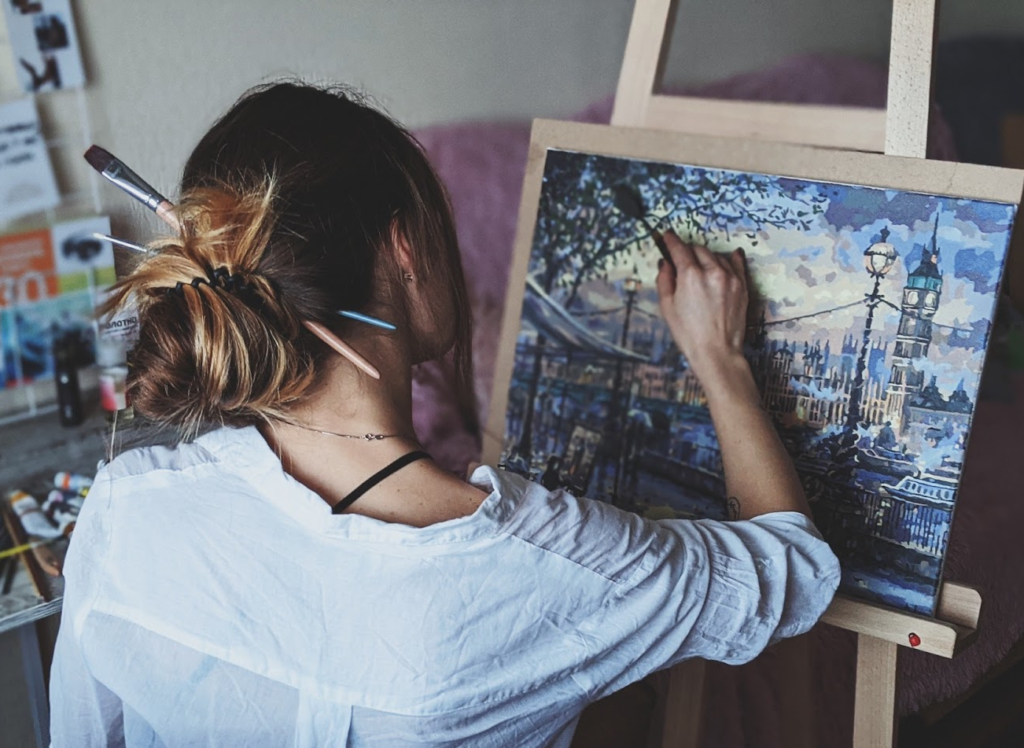

Artistic success depends on a combination of creativity, technical ability, and professional discipline. Modern creative industries expect artists to deliver high-quality work while maintaining originality and consistency. Talent alone cannot guarantee long-term stability in this field. Strong skills in communication, time management, and business awareness also play a major role. Many clients prefer to hire a commission artist for custom projects, making versatility and reliability essential. A successful artist develops a balanced skill set that supports both artistic expression and professional growth in competitive markets.
Strong Drawing and Technical Foundations
Technical drawing skills form the backbone of any successful artistic career. Mastery of proportion, perspective, shape, and structure allows artists to create accurate and visually appealing work. Knowledge of anatomy helps in drawing human figures with realism and expression. Understanding composition and color theory strengthens visual storytelling. Regular practice builds control over tools, mediums, and techniques. Strong technical ability ensures consistency in quality and allows artists to translate imagination into clear visual results across traditional and digital platforms.
Importance of Continuous Practice in Technical Skills
Consistent practice is essential for improving technical ability in art. Repetition of drawing exercises builds muscle memory and improves precision over time. Sketching daily helps refine observation and hand control. Practicing different subjects such as still life, portraits, and landscapes broadens skill range. Studying other artists’ techniques also provides learning opportunities. Improvement in technical skills does not happen overnight; it requires discipline and commitment. Regular practice strengthens confidence and ensures steady progress toward professional-level artistic performance.
Creativity and Original Thinking
Creativity defines an artist’s identity and separates their work from others in the industry. Developing original ideas requires exploration of different themes, cultures, and experiences. Creative thinking helps transform simple concepts into powerful visual narratives. Artists must experiment with styles, tools, and techniques to discover unique expressions. Inspiration can come from nature, emotions, history, or personal experiences. Strong creativity builds a recognizable artistic voice, allowing artists to stand out and attract opportunities in both commercial and personal art projects.
Building a Unique Artistic Voice
A unique artistic voice develops over time through experimentation and self-reflection. Artists refine their style by combining influences with personal interpretation. Consistency in themes, color choices, and techniques helps establish recognition. Avoiding imitation encourages originality and deeper creative expression. Feedback from peers and clients also supports style development. A strong artistic identity builds trust with audiences and buyers. Over time, a distinct voice becomes a signature element that defines an artist’s work and strengthens their professional presence in the market.
Observation Skills and Attention to Detail
Observation skills play a crucial role in creating realistic and expressive artwork. Studying real-life objects, people, and environments improves accuracy and depth in drawing. Paying attention to small details such as light, shadow, and texture enhances visual quality. Strong observation also helps artists understand proportions and movement better. Regular life drawing sessions strengthen this ability. Artists with sharp attention to detail produce more refined work, making their art more engaging and professional in both traditional and digital formats.
Developing Visual Awareness
Visual awareness allows artists to interpret the world more effectively. It involves noticing subtle differences in shapes, colors, and patterns. This skill improves through consistent practice and careful study of surroundings. Sketching from observation enhances memory and visual accuracy. Artists with strong visual awareness can quickly translate real-life scenes into artwork. This ability also supports faster decision-making during creative projects. Developing visual awareness leads to stronger compositions and more detailed, realistic, and emotionally engaging artistic outcomes.
Communication Skills for Artists
Communication is essential for managing client relationships and project expectations. Artists must clearly understand client requirements before starting any work. Asking the right questions helps avoid confusion and revisions later. Explaining creative decisions builds trust and professionalism. Receiving feedback positively ensures better project outcomes. Good communication also supports collaboration with teams, buyers, and agencies. Strong interpersonal skills improve reputation and increase repeat opportunities. Artists who communicate effectively can manage projects smoothly and deliver results that meet or exceed expectations consistently.
Client Interaction and Professional Behavior
Professional behavior strengthens long-term client relationships. Artists must respond to inquiries politely and promptly. Clear discussion of deadlines, pricing, and project scope avoids misunderstandings. Respectful handling of feedback shows maturity and adaptability. Maintaining transparency throughout the project builds trust. Organized communication ensures smoother workflow and fewer delays. Professional conduct also increases the likelihood of referrals and repeat work. Artists who prioritize client satisfaction often experience more stable and sustainable career growth in competitive creative industries.
Time Management and Organization
Time management is essential for handling multiple projects efficiently. Artists often work on several commissions simultaneously, making scheduling important. Breaking projects into stages such as sketching, outlining, and final rendering improves productivity. Setting deadlines for each phase ensures steady progress. Organized planning reduces stress and improves workflow quality. Proper time management also helps balance creative exploration with professional responsibilities. Artists who manage time effectively deliver consistent results and maintain a strong reputation for reliability and punctuality.
Managing Creative Workflows
Creative workflows help structure artistic processes from start to finish. Planning ideas before execution improves efficiency. Using sketches and drafts helps refine concepts early. Digital tools and project boards assist in tracking progress. Clear workflow organization reduces errors and revision time. Structured systems also allow artists to handle larger projects confidently. Managing workflows ensures smoother production and better focus on creativity. A well-organized approach leads to higher productivity and improved artistic outcomes across different types of projects.
Adaptability and Willingness to Learn
Adaptability is important for staying relevant in a changing creative industry. New tools, software, and techniques are constantly emerging. Artists must remain open to learning and improving their skills. Flexibility in style allows artists to meet different client requirements. Experimenting with new mediums strengthens creativity and problem-solving abilities. Learning from other professionals also broadens artistic knowledge. Artists who adapt quickly to changes can take advantage of new opportunities and maintain long-term career stability in evolving markets.
Exploring New Techniques and Tools
Exploration of new techniques expands artistic potential. Trying digital painting, mixed media, or traditional methods enhances versatility. Learning new software improves efficiency in professional projects. Experimenting with materials helps discover unique textures and effects. Continuous learning keeps artistic work fresh and innovative. Exposure to different techniques also builds confidence in handling diverse assignments. Artists who actively explore new tools remain competitive and adaptable in both commercial and personal creative industries.
Business and Marketing Knowledge
Artistic success also depends on business understanding. A strong portfolio helps showcase skills and attract clients. Online presence increases visibility and global reach. Networking with clients and professionals opens new opportunities. Pricing knowledge ensures fair compensation for work. Marketing strategies help promote services effectively. Understanding contracts and negotiations prevents conflicts. Artists who combine creativity with business knowledge build sustainable careers. Strong business skills allow better control over income, projects, and long-term professional growth.
Building a Professional Portfolio
A professional portfolio represents an artist’s skills and style. It should include high-quality samples of different work types. Organized presentation helps clients understand capabilities quickly. Regular updates keep the portfolio relevant and fresh. Including diverse projects shows versatility and experience. Online portfolios increase accessibility for global clients. A strong portfolio builds credibility and attracts better opportunities. It serves as a key marketing tool for artists seeking commissions, collaborations, and long-term professional recognition in competitive markets.
Persistence and Professional Discipline
Persistence plays a key role in artistic success. Challenges, rejection, and slow progress are common in creative careers. Staying consistent helps improve skills over time. Professional discipline ensures timely project completion and quality work. Regular practice builds long-term improvement and confidence. Maintaining motivation during difficult periods is essential for growth. Artists who remain committed develop stronger reputations and better opportunities. Persistence transforms gradual effort into meaningful success and long-lasting professional achievement in the creative field.
Maintaining Consistency in Art Practice
Consistency helps artists build strong skills and maintain steady progress. Daily or weekly practice improves technique and creativity. Regular work habits prevent skill decline and creative blocks. Setting goals supports structured improvement. Consistent output also helps build a recognizable artistic style. Discipline in practice leads to stronger portfolios over time. Artists who maintain consistency develop higher confidence and reliability, which are essential qualities for professional success in both independent and client-based artistic work.
Problem-Solving and Critical Thinking
Problem-solving skills are essential for overcoming creative challenges. Artists often need to adjust compositions, fix mistakes, or refine concepts during projects. Critical thinking helps evaluate what works best visually. Finding alternative solutions improves project quality and efficiency. Feedback-based revisions require flexibility and analytical thinking. Strong problem-solving skills also reduce project delays and errors. Artists who think critically produce more refined and professional results. This ability strengthens decision-making and improves overall artistic performance across different creative tasks.
Conclusion
Successful artists develop a combination of technical skills, creativity, communication, and business knowledge. Each skill contributes to long-term stability and professional growth. Balanced development ensures adaptability in different artistic environments. Continuous learning and consistent practice strengthen overall performance. Artists who invest in both creative and practical abilities achieve stronger recognition and career success. A well-rounded skill set leads to greater opportunities, improved client relationships, and sustainable growth in the competitive world of art.