
There’s a version of the leather tote buying decision that looks straightforward on paper pick a style you like, check the price, order it. The problem is that most of what actually determines whether a tote works for you over the long run doesn’t show up in a product photo. Leather grade, hardware quality, interior construction, how the bag behaves under real daily load these are the details that separate a women’s leather tote bag that becomes a long-term staple from one that ends up at the back of the wardrobe inside six months. Here’s what most buyers only find out after the fact.
The Leather Grade Difference Is Bigger Than People Expect
Full-grain leather and corrected-grain leather are both sold as leather, and they look similar in new condition. The difference only becomes clear over time and it goes in opposite directions. Full-grain develops a patina as it ages, becoming more characterful and better looking with regular use. Corrected-grain, which has had the surface buffed down and then coated to hide imperfections, doesn’t develop that patina. It ages toward cracking and peeling instead.
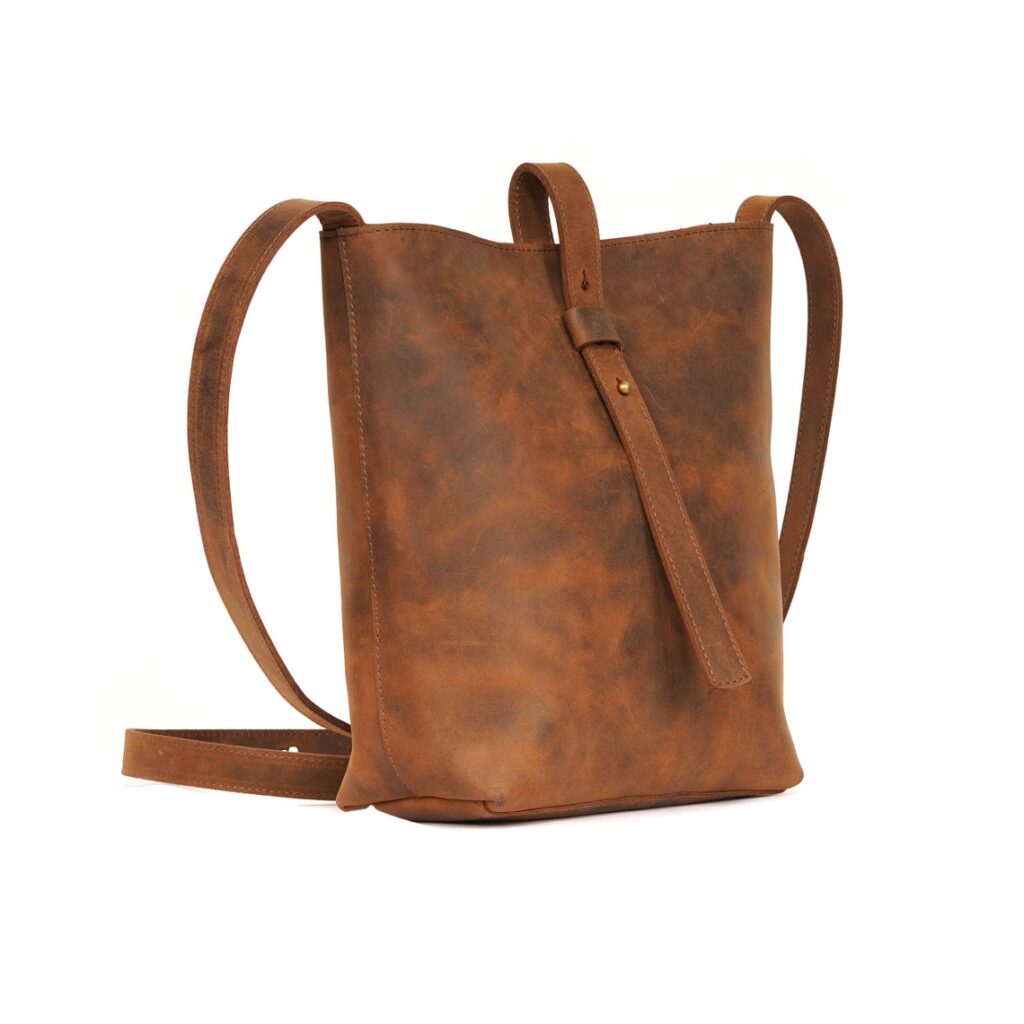
A genuine leather tote bag made from full-grain cowhide will look noticeably better after two years of daily use than it did on day one. The surface develops a tone and sheen specific to how that particular bag has been carried, what it’s been exposed to, and how it’s been cared for. Bonded leather which is leather dust pressed together with polyurethane looks passable in photos and fails quickly in practice, typically cracking at stress points within a year of regular use. Checking what grade of leather is actually being used before purchasing saves a significant amount of disappointment later.
Interior Organisation Determines Daily Usability
A tote with no interior structure is essentially a bucket. Everything sits together at the bottom keys scratch the phone screen, the lip balm disappears under documents, and finding anything quickly means emptying the bag onto a desk. This is one of the most common complaints from women who buy a tote based on exterior appearance alone and only discover the interior shortfall once they’re living with it.
A leather work tote bag that’s going to function properly through a working week needs at minimum a laptop sleeve or padded compartment, a few organised pockets for smaller items, and enough structure in the base to hold shape when loaded. Zip pockets rather than open-top slots matter if the bag is going into overhead lockers, going on public transport, or being set down in spaces where security is a consideration. Canvas lining holds up better than unlined leather interiors under the friction of daily loading and unloading, and it makes cleaning out the inevitable accumulated detritus considerably easier.
Handle Construction Is Where Many Bags Fail
The handles on a tote take more stress than almost any other part of the bag. Every time the bag is picked up fully loaded with a laptop, a water bottle, a gym kit the force transmits directly through the handle stitching and the attachment point on the bag. Handles that are stitched directly to the exterior without reinforcement eventually tear away from that point. Handles with metal rivets in addition to stitching distribute the load more effectively and last considerably longer.
Handle length also matters more than people anticipate before they try a bag. A handle designed for shoulder carry at 55cm sits at a completely different position than one designed for elbow carry at 45cm. Neither is objectively better, but using a bag whose handle length doesn’t match your preferred carry position means holding the bag in a way that feels awkward all day a small but consistently irritating problem that builds up over months of use.
Shoulder Strap Availability Changes Versatility Significantly
An open-top tote with top handles only works in a specific range of situations when both hands are free, when security is less of a concern, when the bag isn’t too heavy to carry comfortably by the handles alone. A tote that includes a removable or adjustable shoulder strap functions across a much wider range of contexts: commuting where hands need to be free, travelling through airports, running between meetings with a heavy load.
This isn’t a luxury feature it’s a usability feature. The difference between a bag that works only in optimal conditions and one that works across everything a working day actually involves is often just the presence of that strap. Checking whether a strap is included, whether it’s removable, and how the attachment hardware looks and functions is worth doing before purchase rather than after.
What Size Actually Means in Practice
Tote bags are typically listed with dimensions, but dimensions don’t immediately translate into what fits inside them. A 40cm wide tote sounds generous until you discover the depth is only 10cm and a 15-inch laptop slides in at an awkward angle. The more useful check is whether the product description specifically mentions laptop compatibility and what screen size it accommodates, and whether the base dimensions are wide enough to let the bag stand upright when loaded.
For a women’s leather tote bag that’s going to cover work and daily carry simultaneously, anything under 35cm in height will start to feel limiting once a laptop, documents, and daily essentials are inside together.
Melbourne Leather Co offers a range of genuine leather tote bags for women from the full-grain vintage brown carryalls to customisable monogrammed styles and canvas-leather combinations all built with the interior organisation, handle construction, and material quality that daily use actually demands. Styles are available with optional personalisation, in multiple colourways, with 60-day returns and worldwide shipping.