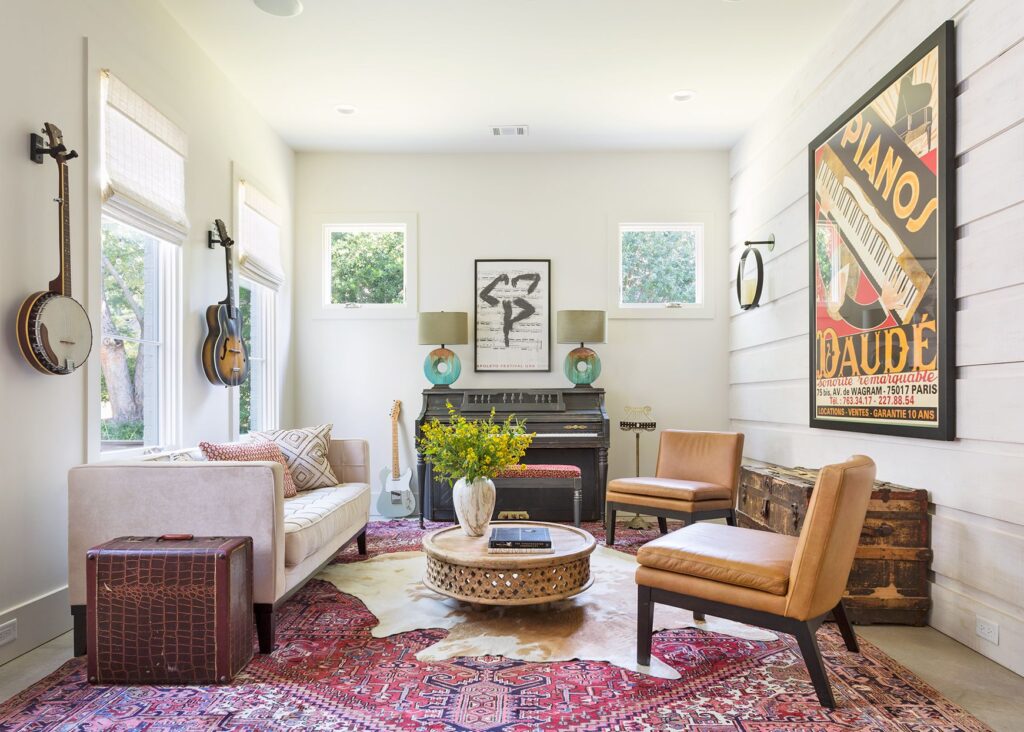

Home interiors in the US have shifted from simple decoration to intentional curation. People are no longer just buying items to fill space; they are choosing objects that hold meaning, history, and long-term value. This shift has made collectible design a serious part of modern living. The demand for collectible decor pieces has increased as homeowners look for items that connect design, culture, and investment potential.
According to Statista, the US home decor market exceeds $280 billion, and a growing portion of this is influenced by collectible and design-led purchases rather than mass-produced goods. The problem is that many buyers cannot clearly identify what makes one item collectible and another just decorative.
As a result, they often overpay for pieces that have no long-term value or historical relevance. The solution lies in understanding three key factors: rarity, provenance, and design heritage. Once these are understood, collectible decor pieces become easier to identify and evaluate in both retail and resale markets.
Rarity as the foundation of collectible value
Rarity is one of the strongest indicators of whether an object will hold collectible value over time. In design markets, limited production runs or discontinued items often gain higher demand because supply becomes restricted while interest increases. The challenge is that not all rare items are valuable. Some pieces are rare simply because they were not successful in the market, which does not always translate into collectibility. This creates confusion for buyers who assume rarity automatically means worth.
In the US art and decor market, auction platforms such as Sotheby’s regularly demonstrate how rarity influences pricing. Limited-edition design objects often sell for multiples of their original retail price when demand aligns with cultural relevance. From real-world observation, collectible decor pieces that come from small production batches or discontinued design lines tend to gain attention faster in resale markets.
However, they must also carry strong design identity to maintain long-term value. In spaces like home office styling, rare items are often used as focal points rather than functional tools. This allows collectible decor pieces to stand out visually while also reinforcing a sense of individuality in work environments.
Provenance and why history changes everything
Provenance refers to the documented history of an item, including who designed it, where it was made, and how it has been owned or used over time. This factor is critical in determining the authenticity and value of collectible decor pieces. The problem is that many buyers overlook provenance and focus only on appearance. This leads to situations where visually similar items have completely different market values due to lack of historical documentation.
In the US, auction houses like Christie’s place strong emphasis on provenance when evaluating collectible items. A well-documented history can increase value significantly, especially if the piece is linked to a known designer or historical period. For example, mid-century decorative objects with verified designer attribution often sell at significantly higher prices than similar unverified items.
This shows how documentation directly affects market perception and investment potential. In practical settings like home office styling, provenance-driven collectible decor pieces are often used to create a professional yet curated environment. These objects add credibility and visual interest without overwhelming functional space.
Design heritage and long-term cultural value
Design heritage refers to the historical and cultural background of an object’s design language. It is what connects a piece to a specific movement, designer, or era, giving it meaning beyond its physical form. The issue in today’s market is that many reproductions mimic historical styles without carrying the original design intent. This weakens their long-term collectible value even if they look visually similar.
Collectible decor pieces that are tied to strong design movements, such as modernism or minimalism, tend to retain value because they represent more than just aesthetics. They reflect design evolution and cultural shifts in society. In the US furniture and decor industry, companies like Herman Miller have played a major role in preserving design heritage. Their continued production of historically significant pieces keeps design narratives active in modern markets.
From experience in interior projects, pieces with strong design heritage often become conversation points in both residential and commercial spaces. They naturally attract attention without needing additional decoration. Home office styling benefits significantly from this, as collectible decor pieces with design heritage help establish a focused and intentional workspace atmosphere.
Case study: US collectible design market behavior
The US market provides clear examples of how collectible decor pieces gain value over time. One strong trend is the resale growth of mid-century and modernist design objects through online and auction platforms. Platforms like 1stDibs have shown consistent demand growth for authenticated collectible items, especially in categories like lighting, ceramics, and small furniture objects. According to industry reports, the resale value of authenticated design objects in the US can increase by 20–50% over a 10-year period, depending on rarity and condition.
This makes collectible decor pieces a potential long-term investment category for some buyers. However, market volatility remains a concern. Items without clear provenance or strong design heritage often fail to maintain value, even if they are visually appealing at the time of purchase. In home office styling, professionals often select collectible decor pieces strategically to reflect both personal taste and design awareness. This helps create environments that feel curated rather than randomly assembled.
Emotional value versus market value in collectibles
One of the most overlooked aspects of collectible design is emotional value. Many people purchase items because they connect personally with their story, shape, or design language rather than financial return. The problem arises when emotional attachment is confused with market value. Not every meaningful object qualifies as a collectible decor piece in financial or historical terms. Collectible decor pieces often sit at the intersection of emotional relevance and market recognition.
Without both, an item may remain personally valuable but not necessarily collectible in a broader sense. From real-world observation, many US homeowners build collections that reflect personal journeys rather than investment strategies. This is especially visible in creative industries where home office styling becomes an extension of personal identity. In such environments, collectible decor pieces are often used to balance emotional expression with design structure, creating spaces that feel both personal and intentional.
Common mistakes when identifying collectible items
A common mistake among buyers is assuming that older items are automatically collectible. Age alone does not guarantee value unless it is supported by rarity, provenance, or design heritage. Another issue is overestimating reproduction quality. High-quality reproductions may look convincing but usually lack historical context, which limits their long-term collectible potential. Many buyers also ignore condition, which is critical in determining value.
Even rare collectible decor pieces can lose significant market appeal if they are damaged or heavily restored without documentation. In home office styling, this often leads to mismatched collections where items look visually appealing but lack coherence in value or origin. This reduces the overall impact of the space. The key is to evaluate each piece individually rather than assuming that style alone determines collectibility.
Conclusion
Understanding what makes an object collectible requires more than surface-level judgment. It involves analyzing rarity, verifying provenance, and recognizing design heritage as interconnected factors. Collectible decor pieces are valuable not just because they look good, but because they represent a combination of cultural history, limited availability, and documented authenticity. When these elements align, long-term value becomes more predictable. The US design market continues to show strong interest in curated interiors, where collectible decor pieces are used to express identity and design awareness.
This trend is especially visible in modern home office styling, where functionality and personal expression must coexist. Ultimately, collectible decor pieces are not just objects in a room. They are markers of design history, personal taste, and market understanding, making them an important part of both interior design and cultural preservation.