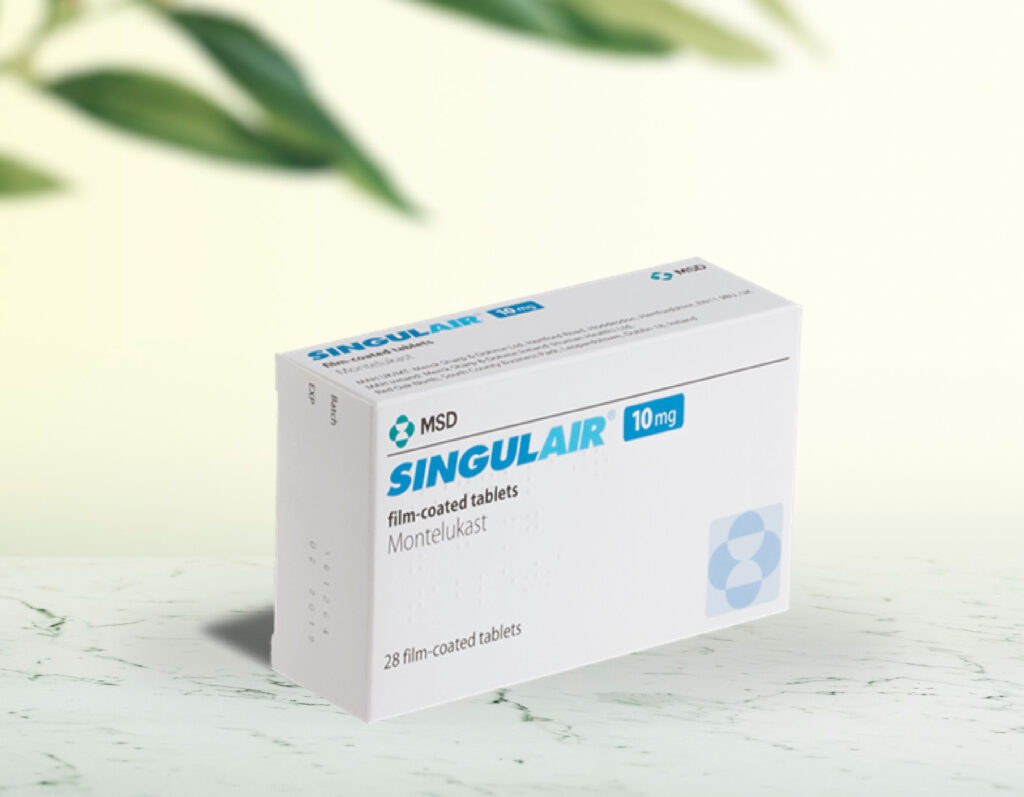

Singulair, known generically as Montelukast, is a widely prescribed medication used for the long-term management of asthma and various allergic conditions. It is particularly beneficial for individuals who frequently experience symptoms such as wheezing, shortness of breath, chest tightness, and seasonal allergy discomfort. Unlike quick-relief inhalers, which are designed to provide immediate relief during an asthma attack, Singulair works over time to help prevent symptoms from developing and to maintain better overall control of respiratory health.
Montelukast belongs to a class of medications known as leukotriene receptor antagonists. Leukotrienes are inflammatory chemicals naturally produced by the body, especially during allergic reactions or asthma episodes. These chemicals contribute to swelling in the airways, tightening of airway muscles, and increased mucus production. Together, these effects can make breathing difficult and uncomfortable. By blocking leukotriene receptors, Singulair prevents these chemicals from exerting their effects, thereby reducing inflammation, relaxing airway muscles, and limiting mucus buildup. This mechanism allows the airways to remain more open, making breathing easier and reducing the likelihood of asthma flare-ups.
One of the key advantages of Singulair is its convenience. Unlike many asthma medications that require multiple doses throughout the day or the use of inhalation devices, Singulair is typically taken once daily, usually in the evening. This simplicity makes it easier for patients to adhere to their treatment plan. The medication is available in several forms, including standard tablets, chewable tablets, and oral granules, making it suitable for a wide range of age groups—from young children to adults. This flexibility allows healthcare providers to tailor treatment to individual needs and preferences.
Singulair is commonly prescribed for multiple conditions beyond asthma. It is frequently used to treat allergic rhinitis, also known as hay fever, which can cause symptoms such as sneezing, runny nose, nasal congestion, and itchy eyes. Additionally, it is often recommended for the prevention of exercise-induced bronchoconstriction, a condition in which physical activity triggers narrowing of the airways. For people who experience breathing difficulties during or after exercise, taking Singulair in advance can help reduce or prevent these symptoms, allowing for more comfortable physical activity.
Although Singulair is effective for long-term control, it is important to emphasize that it is not a rescue medication. It does not act quickly enough to relieve sudden asthma attacks. Patients with asthma should always carry a fast-acting rescue inhaler, such as a short-acting bronchodilator, for immediate relief in emergency situations. Singulair works best when taken consistently over time, helping to stabilize the condition and reduce the frequency and severity of symptoms.
Regular use of Singulair can lead to significant improvements in quality of life. Many patients report fewer asthma attacks, reduced nighttime symptoms, and less dependence on rescue medications. Improved symptom control can also lead to better sleep, increased energy levels, and greater participation in daily activities, including exercise and outdoor events. For individuals with allergies, the medication can provide noticeable relief from persistent symptoms, making seasonal changes more manageable.
However, like all medications, Singulair may cause side effects in some individuals. Common side effects are generally mild and may include headache, stomach pain, or fatigue. In rare cases, more serious side effects have been reported, including mood or behavioral changes. Because of this, patients and caregivers are encouraged to monitor for any unusual symptoms. It is important to have open communication with a doctor to ensure that the benefits of the medication outweigh any potential risks.
Another important consideration is adherence to the prescribed regimen. Skipping doses or discontinuing the medication without medical advice can reduce its effectiveness and may lead to worsening symptoms.
In summary, Singulair (montelukast) is a reliable and convenient option for managing asthma and allergic conditions. By targeting leukotrienes, it addresses a key component of inflammation and airway constriction, helping to prevent symptoms before they occur. Its once-daily dosing, multiple formulations, and broad range of uses make it a versatile choice for many patients. When used consistently and appropriately, Singulair can significantly improve respiratory health, reduce symptom burden, and enhance overall quality of life.