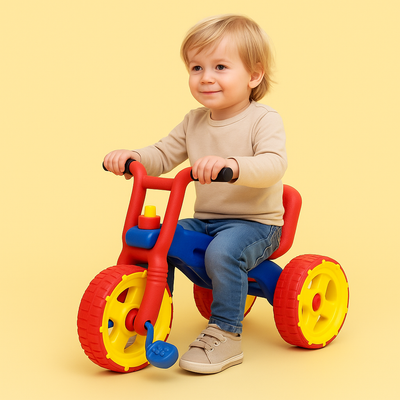

Ride-on toys have been a favorite among children for generations. They encourage active play, improve motor skills, and help children develop balance and coordination. When choosing a ride-on toy, parents often compare two common options: plastic ride-on toys and metal ride-on toys. While both have their advantages, plastic ride-on toys have become increasingly popular due to their safety, convenience, and child-friendly design.
Understanding the differences between the two can help parents and educators make the right choice for children.
Safety Considerations
Safety is one of the most important factors when selecting a ride-on toy. Plastic ride-on toys are typically designed with smooth edges and rounded corners, reducing the risk of injuries during play. They are also lightweight, which means children can handle them more easily without the risk of heavy impacts.
Metal ride-on toys, while sturdy, can sometimes have harder surfaces and heavier frames. If a child accidentally tips over or collides with the toy, the weight of the metal structure may increase the risk of minor injuries. This is one reason why many parents prefer plastic ride-on toys for younger children.
Weight and Ease of Use
One of the biggest advantages of plastic ride-on toys is their lightweight construction. Children can push, pull, and maneuver these toys with ease, promoting independence and confidence during play.
Lightweight toys are also easier for parents and caregivers to move, store, and transport. Metal ride-on toys tend to be heavier, which can make them more difficult for younger children to use comfortably.
Durability and Maintenance
Both plastic and metal ride-on toys can be durable when manufactured using quality materials. However, modern plastic ride-on toys are designed to withstand everyday use and are often resistant to cracks, fading, and weather-related damage.
Metal toys may require additional maintenance over time, especially if used outdoors. Exposure to moisture can lead to rust or corrosion if the metal is not properly treated. Plastic ride-on toys generally require less maintenance and are easier to clean with simple soap and water.
Comfort for Children
Plastic ride-on toys are often designed with children’s comfort in mind. They typically feature ergonomic seats, smooth surfaces, and child-friendly shapes that make playtime more enjoyable.
Because plastic does not absorb heat or cold as quickly as metal, it remains more comfortable to touch during different weather conditions. Metal surfaces can become hot under direct sunlight or cold during winter months, making them less comfortable for outdoor play.
Colorful and Attractive Designs
Children are naturally attracted to bright colors and playful designs. Plastic manufacturing allows ride-on toys to be produced in a variety of vibrant colors, shapes, and themes that appeal to young children.
From animal-shaped ride-ons to miniature vehicles, plastic ride-on toys often offer more design flexibility than metal alternatives. These engaging designs encourage imaginative play and keep children entertained for longer periods.
Suitable for Indoor and Outdoor Play
Plastic ride-on toys are versatile and can be used both indoors and outdoors. Their lightweight design and smooth wheels make them suitable for home environments, classrooms, daycare centers, and playgrounds.
Metal ride-on toys are generally more suitable for outdoor use due to their weight and construction. However, they may not be ideal for indoor spaces where floors need protection from scratches or marks.
Cost and Value
Plastic ride-on toys are often more affordable than metal models while still providing excellent durability and functionality. Their lower maintenance requirements and long lifespan make them a cost-effective choice for parents, schools, and daycare centers.
For institutions that purchase toys in larger quantities, plastic ride-on toys often provide better value without compromising safety or play quality.
Environmental and Practical Factors
Many modern manufacturers use high-quality recyclable plastics in the production of ride-on toys. Additionally, lightweight plastic products consume less energy during transportation compared to heavier metal alternatives.
The practicality of plastic ride-on toys, combined with their safety features and ease of maintenance, has made them a preferred choice in many educational and recreational settings.
Conclusion
Both plastic and metal ride-on toys have their advantages, but for most young children, plastic ride-on toys offer several practical benefits. They are lightweight, safe, easy to maintain, comfortable, and available in a wide range of child-friendly designs. These qualities make them suitable for homes, schools, daycare centers, and play areas.
When choosing a ride-on toy, parents should consider factors such as safety, age appropriateness, durability, and intended use. For everyday play and long-term value, high-quality plastic ride-on toys are often the preferred option, providing children with a safe and enjoyable way to stay active and develop important skills through play.