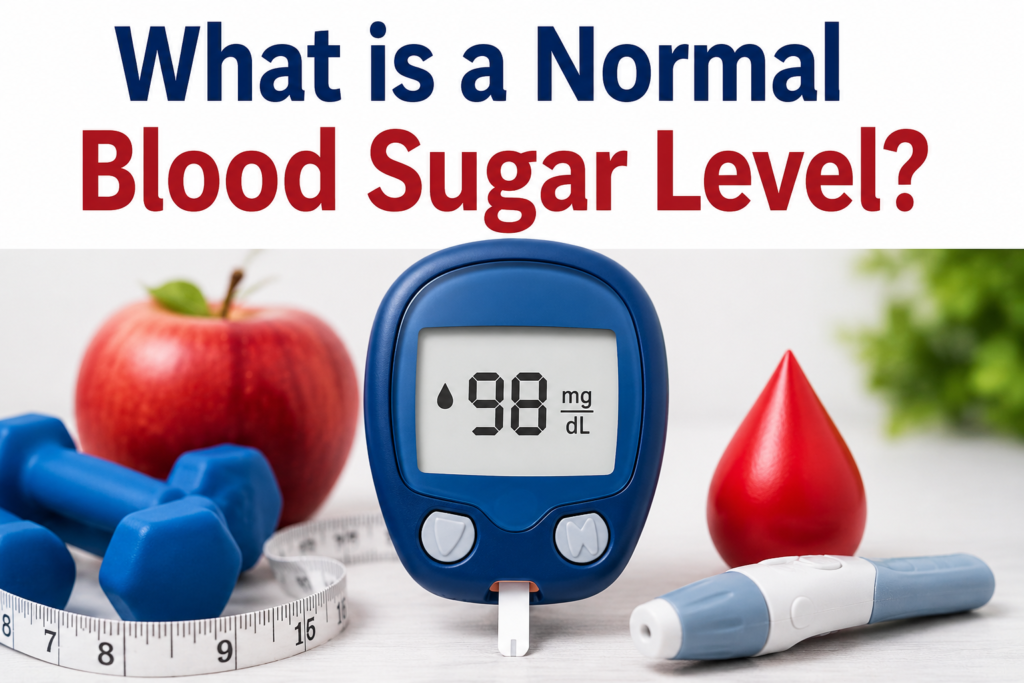

Blood sugar levels play a crucial role in overall health, especially for people with diabetes or those at risk of developing it. Understanding what is considered normal blood sugar helps you monitor your health, prevent complications, and maintain stable energy levels throughout the day.
In this detailed guide, we will explain normal blood sugar ranges, how they vary by time of day, factors that affect glucose levels, and how to manage them effectively.
Role of Medication in Blood Sugar Control
For people diagnosed with type 2 diabetes, doctors may prescribe medications to control glucose levels. One commonly prescribed medicine is metformin hcl 500 mg, which helps reduce glucose production in the liver and improves insulin sensitivity.
It is important to take any medication only under medical supervision.
What is Blood Sugar?
Blood sugar (also called blood glucose) is the amount of glucose present in your bloodstream. Glucose comes from the food you eat and serves as the body’s main source of energy.
Your body regulates blood sugar using a hormone called insulin, produced by the pancreas. When this system is not working properly, blood sugar levels can become too high (hyperglycemia) or too low (hypoglycemia).
Normal Blood Sugar Levels (Healthy Adults)
Blood sugar levels vary depending on when you last ate. Below are the standard ranges used by healthcare professionals.
1. Fasting Blood Sugar (Before Eating)
- Normal: 70 to 99 mg/dL
- Prediabetes: 100 to 125 mg/dL
- Diabetes: 126 mg/dL or higher (on two separate tests)
2. After Meals (2 Hours Postprandial)
- Normal: Less than 140 mg/dL
- Prediabetes: 140 to 199 mg/dL
- Diabetes: 200 mg/dL or higher
3. Random Blood Sugar Test
- Normal: Below 140 mg/dL
- Possible diabetes: 200 mg/dL or higher (with symptoms)
4. HbA1c (3-Month Average)
- Normal: Below 5.7%
- Prediabetes: 5.7% to 6.4%
- Diabetes: 6.5% or higher
Normal Blood Sugar Levels in Different Age Groups
Blood sugar targets may vary slightly based on age and health conditions:
- Children: Similar to adults but may fluctuate more
- Adults: Standard ranges apply
- Older adults: Slightly higher levels may be acceptable depending on health status
What Causes Blood Sugar Levels to Change?
Several factors can influence blood glucose levels throughout the day:
1. Food Intake
Carbohydrates such as rice, bread, pasta, and sweets raise blood sugar levels quickly.
2. Physical Activity
Exercise helps lower blood sugar by increasing insulin sensitivity.
3. Stress
Stress hormones like cortisol can increase glucose production in the body.
4. Illness or Infection
When sick, the body releases hormones that may raise blood sugar.
5. Medications
Some medicines can increase or decrease blood glucose levels.
Symptoms of Abnormal Blood Sugar Levels
High Blood Sugar (Hyperglycemia)
- Frequent urination
- Increased thirst
- Fatigue
- Blurred vision
- Slow wound healing
Low Blood Sugar (Hypoglycemia)
- Shaking
- Sweating
- Dizziness
- Hunger
- Confusion
How to Maintain Normal Blood Sugar Levels
Keeping blood sugar within a healthy range requires lifestyle management.
1. Eat a Balanced Diet
- Include whole grains, vegetables, and lean proteins
- Avoid sugary drinks and processed foods
2. Exercise Regularly
- At least 30 minutes of physical activity daily
- Helps improve insulin sensitivity
3. Maintain Healthy Weight
Excess weight increases insulin resistance and risk of diabetes.
4. Stay Hydrated
Water helps remove excess sugar through urine.
5. Monitor Blood Sugar
Regular testing helps track changes and prevent complications.
When Should You See a Doctor?
You should consult a healthcare provider if:
- Your fasting blood sugar is consistently above 100 mg/dL
- You experience symptoms of diabetes
- You have a family history of diabetes
- You are overweight or obese
- You notice frequent fatigue or excessive thirst
Early detection can prevent serious complications like nerve damage, kidney disease, and heart problems.
Complications of Uncontrolled Blood Sugar
If blood sugar levels remain high for a long time, it can lead to:
- Heart disease
- Kidney failure
- Vision problems
- Nerve damage (neuropathy)
- Poor wound healing
- Increased risk of infections
Can Blood Sugar Be Reversed?
In many cases of prediabetes and early type 2 diabetes, blood sugar levels can be improved or even reversed through:
- Diet changes
- Weight loss
- Regular exercise
- Stress management
- Medical treatment when needed
Final Thoughts
Normal blood sugar levels are essential for maintaining good health and preventing chronic diseases. By understanding your glucose range and making healthy lifestyle choices, you can significantly reduce your risk of diabetes and its complications.
Regular monitoring, balanced nutrition, physical activity, and medical guidance all work together to keep blood sugar in a healthy range.