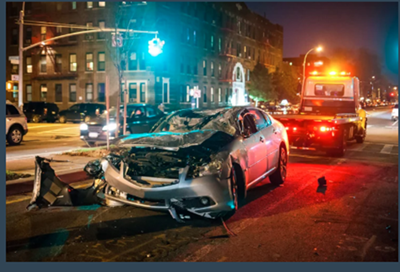

Two lawyers can study the same crash report and still argue opposite versions of the accident for months. Then one courtroom video plays for thirty seconds, and the entire discussion changes direction. That happens because video exhibits for court do more than replay accidents. They shape how juries, insurers, and attorneys interpret visibility, reaction time, and fault.
Why Raw Crash Footage Often Creates the Wrong Liability Story?
Raw footage looks objective, but cameras lie all the time. A dashcam may flatten distance. A traffic camera may hide depth. A security camera may miss what happened outside its narrow angle. So, the first version of an accident video often creates a misleading story.
A driver may appear distracted when glare actually blocks visibility. A pedestrian may seem obvious on camera, even though the driver never had a clear sightline. That difference matters during litigation because liability depends heavily on what someone could realistically see before impact.
One Missed Frame Can Change How Fault Gets Interpreted
A single hidden detail can reshape an entire legal argument. During forensic analysis, lawyers and video specialists sometimes uncover details that completely change liability discussions. Those details may include:
- a hidden stop sign
- an obstructed crosswalk
- a vehicle concealed by an A-pillar
- glare from sunset traffic
- shadows hiding pedestrian movement
- blocked lane markings during rain
Without visual clarification, juries may never notice those factors. That creates dangerous assumptions inside courtrooms and mediation sessions.
Why Lawyers No Longer Rely Only on Written Testimony
Witnesses forget details quickly.
Drivers panic after collisions. Pedestrians remember events differently. Police reports also depend on human observation during stressful situations.
So, lawyers now rely heavily on visual presentation because people understand images faster than technical explanations. A courtroom exhibit can show:
- how fast danger appeared
- when visibility changed
- why reaction time became limited
- where visual obstructions existed
- how environmental conditions affected perception
That type of clarity often shifts settlement leverage before trial even begins.
Why Driver Perspective Changes Jury Reactions So Fast?
Most cameras do not show what the driver actually experienced. That creates one of the biggest problems in accident litigation. An overhead traffic camera may clearly show a pedestrian entering the roadway. However, the driver’s actual viewpoint may contain:
- windshield glare
- mirror blockage
- poor lighting
- traffic congestion
- blind spots
- obstructed sightlines
Once jurors see the event from the driver ’s-eye perspective, the emotional interpretation of the crash often changes immediately. That is why modern video exhibits legal presentations focus heavily on visual perspective recreation instead of simple footage playback.
Technical Crash Reports Often Fail Without Visual Translation
Accident reconstruction experts handle the scientific side of a collision. They study:
- speed
- braking distance
- collision timing
- impact force
- vehicle movement
Those findings matter deeply. Still, technical numbers alone rarely persuade jurors emotionally. A forensic video analyst translates that data into visual storytelling. That visual sequence helps juries understand:
- what happened
- when it happened
- why visibility failed
- how quickly danger appeared
Without visual support, technical reports can feel disconnected from real human experience.
Why Slow Motion Review Matters During Serious Accident Cases?
Some collisions happen within two or three seconds. Normal playback hides important details because movement happens too fast for careful analysis. Lawyers and forensic analysts often slow footage down to study:
- steering corrections
- pedestrian timing
- brake activation
- lane movement
- headlight visibility
- reaction windows
A slowed sequence can expose details invisible during normal playback. That process often changes how attorneys argue fault and driver behavior.
Why Visibility Problems Have Become Central to Liability Disputes?
Modern accident litigation focuses heavily on visibility interpretation. The biggest courtroom question is no longer: “Who hit who first?” The bigger question is:
“What could the driver realistically see?” That distinction changes everything. Visibility analysis may reveal:
- hidden hazards
- impossible reaction windows
- obstructed intersections
- blocked warning signs
- visual distractions
- nighttime perception limits
Those factors directly affect how negligence gets interpreted during litigation.
Why One Courtroom Exhibit Can Change Mediation Strategy?
Insurance companies often resist claims aggressively during the early stages of a case. Then a strong visual exhibit enters mediation. That presentation may suddenly reveal:
- blocked driver sightlines
- misleading camera angles
- environmental visibility limits
- timing distortions inside raw footage
- roadway conditions hidden during initial review
Once that happens, negotiation posture can change quickly. Visual evidence creates stronger pressure than competing verbal arguments because everyone watches the same reconstructed sequence together.
Why High-Resolution Reconstruction Matters More Than Ever?
Low-quality visuals weaken credibility. Blurry playback creates confusion instead of clarity. That is why forensic video analysts now build high-resolution 6K reconstructions that show small environmental details with stronger accuracy. Those details may include:
- lane visibility
- shadow movement
- road texture
- traffic signal timing
- pedestrian positioning
- environmental lighting
A clean visual presentation reduces guesswork and helps juries focus on visibility conditions instead of technical confusion.
Why Modern Courtrooms Depend More on Visual Storytelling?
People absorb visuals faster than spoken explanations. That reality affects modern litigation heavily. A jury may struggle through hours of testimony. Then one visual sequence suddenly makes the accident understandable within seconds. That shift matters because courtroom persuasion depends on clarity. Strong forensic visuals help legal teams:
- simplify complex crash data
- explain split-second events
- clarify visibility limitations
- present driver perspective realistically
- organize confusing accident timelines
That combination creates a stronger understanding during trial and mediation.
Wrapping Up
A courtroom argument can collapse or strengthen based on one visual interpretation of the crash. That is why video exhibits for court now play a major role in accident litigation, mediation, and liability analysis. One reconstructed sequence can completely reshape how juries, insurers, and attorneys understand visibility, reaction time, and fault.
Modern forensic visual analysis combines reconstruction data, driver perspective recreation, visibility interpretation, and high-resolution simulations to explain what raw footage often fails to show. Strong video exhibits legal presentations help courts move beyond assumptions and focus on what drivers could realistically see during the seconds before impact.