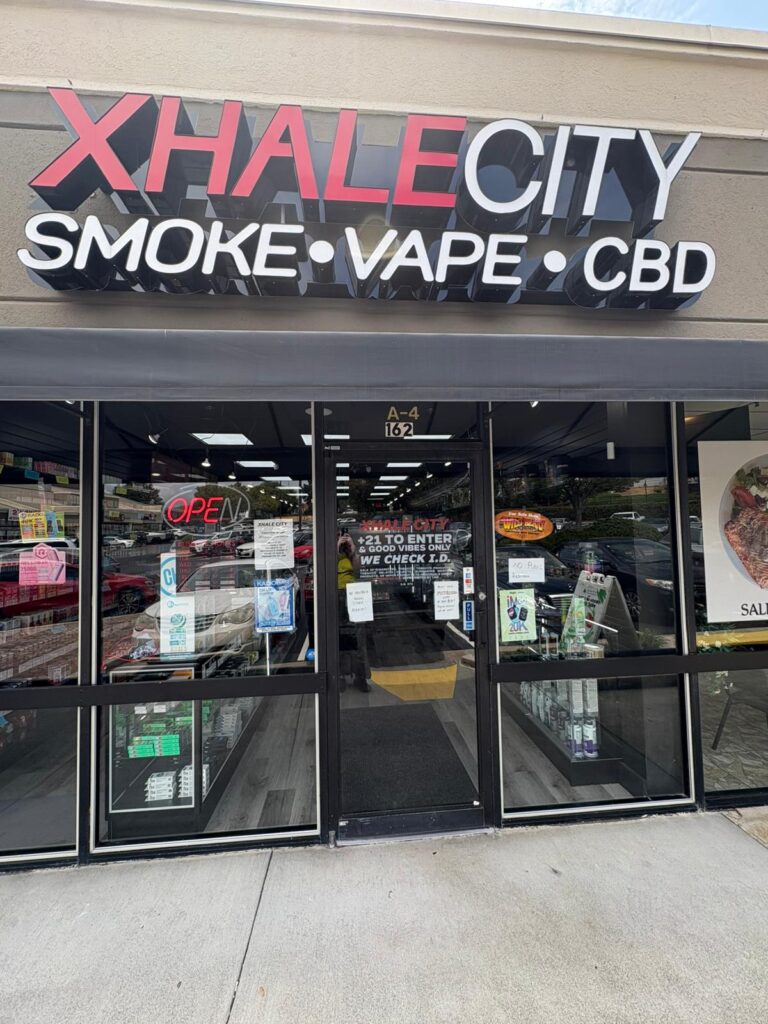

A few years ago, walking into a smoke shop meant choosing from a fairly narrow set of products, usually behind a glass counter with limited explanation. Today, that same category of store might carry disposable vapes from a dozen brands, CBD tinctures with lab reports attached, hookah setups with a dozen bowl styles, and glass accessories ranging from basic to genuinely artisan.
That growth has been good for consumers in one sense — more choice, more competition, more innovation. But it’s also made the shopping experience harder to navigate. Not every store that carries these products understands them equally well, and the gap between a store that treats this as a specialty and one that treats it as a side business shows up quickly once you know what to look for.
This guide walks through exactly how experienced shoppers evaluate a specialty retailer before spending their money — and why some of the smallest details often say the most.
Table of Contents
- How Specialty Retail Has Changed
- Smoke Products, Vape Products, and CBD Products Aren’t Interchangeable Categories
- How to Identify Authentic Products
- Reading Manufacturer Labels the Right Way
- What Product Transparency Actually Looks Like
- Why Age Verification Is a Trust Signal, Not Just a Legal Requirement
- Why Knowledgeable Staff Change the Entire Experience
- Product Storage and Why It Matters More Than Shoppers Realize
- Brand Authenticity Across Categories
- The Case for Shopping Locally
- Customer Service Expectations Worth Holding Retailers To
- Store Cleanliness as a Quality Indicator
- Choosing Quality Accessories
- Understanding Premium Product Categories
- Average Specialty Store vs. Trusted Specialty Retailer: A Comparison
- The Expert Shopper’s Checklist
- Common Buying Mistakes
- People Also Ask
- Frequently Asked Questions
- Final Takeaway
1. How Specialty Retail Has Changed
Smoke, vape, CBD, and hookah retail used to exist as fairly separate categories, each with its own dedicated shop. Over the past decade, those lines have blurred. A single storefront might now carry glass accessories, disposable vapes, hemp-derived CBD products, and hookah supplies all under one roof.
That consolidation has real benefits for shoppers — fewer stops, more variety, easier comparison shopping. But it also raises the bar for what a retailer needs to know. Carrying four product categories well requires genuinely understanding all four, not just stocking shelves and hoping customers already know what they want.
2. Smoke Products, Vape Products, and CBD Products Aren’t Interchangeable Categories
It’s worth stating plainly: these are distinct product categories with different regulations, different quality benchmarks, and different things shoppers should evaluate.
Smoke accessories — glass pieces, papers, grinders, and related tools — are evaluated primarily on material quality and craftsmanship.
Vape products — including disposable and refillable devices — involve considerations like battery performance, e-liquid formulation, and authenticity verification.
CBD products — oils, gummies, topicals, and tinctures — require attention to hemp sourcing, potency accuracy, and third-party lab testing.
A retailer that treats all three categories the same way, without adjusting expertise accordingly, is often a sign of a shop that hasn’t invested deeply in any of them.
3. How to Identify Authentic Products
Counterfeit and gray-market products exist across all of these categories, which makes authenticity verification a genuinely important skill for shoppers.
Common authenticity indicators include:
- Sharp, consistent packaging print quality
- Scannable QR codes or verification systems from the manufacturer
- Batch or lot numbers that trace back to a specific production run
- Weight, texture, and build quality consistent with genuine manufacturer specifications
Imagine you’re choosing between two specialty retailers carrying the same disposable vape brand. One shop’s packaging looks slightly duller, with a QR code that doesn’t scan. The other shop’s product matches official manufacturer imagery exactly, batch number included. That difference alone tells you which retailer is more likely sourcing from authorized channels.
4. Reading Manufacturer Labels the Right Way
Labels are one of the most underused tools available to shoppers, largely because most people don’t know what to actually look for.
A properly labeled product — regardless of category — should include:
- Clear ingredient or material information
- Manufacturer name and contact details
- A batch or production code
- Relevant safety or usage information
- For CBD specifically, potency and cannabinoid content
Vague labeling, missing batch numbers, or generic “proprietary blend” language without specifics are all reasons to slow down and ask more questions before purchasing.
5. What Product Transparency Actually Looks Like
Transparency isn’t a marketing buzzword — it’s a practical standard that shows up in specific, checkable ways. A transparent retailer can answer direct questions: Where does this product come from? What’s the batch number? Is there a lab report available for this CBD product?
One practical way to evaluate a retailer is to ask a specific question about a product on the shelf — not something rehearsed, but something genuinely useful, like how a particular vape device’s puff count compares to a similar model. A knowledgeable, transparent retailer answers clearly. A store that’s just moving inventory often can’t.
6. Why Age Verification Is a Trust Signal, Not Just a Legal Requirement
Every legitimate retailer in this category should verify age before selling smoke, vape, or CBD products to any customer. This isn’t just a regulatory checkbox — it’s a meaningful indicator of how seriously a store takes responsible retail practices overall.
Retailers that are lax about age verification often show similar laxness in other areas: product sourcing, label accuracy, staff training. Consistent, unwavering age verification tends to correlate with a broader culture of doing things properly.
7. Why Knowledgeable Staff Change the Entire Experience
Product knowledge among staff is arguably the single biggest differentiator between an average specialty store and a genuinely trusted one.
Experienced shoppers often compare this to the difference between a hardware store employee who can explain exactly which tool fits a specific job versus one who just points toward a general aisle. In this category, that might mean staff who can explain PG/VG ratios in vape juice, walk through what a CBD Certificate of Analysis actually verifies, or recommend the right hookah bowl for a specific stem.
Staff training isn’t something shoppers can see on a shelf, but it becomes obvious within the first real question asked.
8. Product Storage and Why It Matters More Than Shoppers Realize
How a retailer stores its inventory directly affects product quality by the time it reaches a customer.
- CBD products degrade faster when exposed to heat and light
- Vape juice and disposable devices can lose potency or performance if stored improperly
- Glass accessories require careful handling to avoid stress fractures
- Hookah tobacco and herbal shisha need airtight, temperature-controlled storage to preserve flavor
A store with products baking in a sunlit window, or disposables stacked loosely without care, is telling shoppers something about how the rest of their operation is run.
9. Brand Authenticity Across Categories
Reputable specialty retailers tend to work directly with manufacturers or authorized distributors rather than sourcing through unverified third parties. This matters because unauthorized sourcing channels are where counterfeit and gray-market products most often enter retail inventory.
A retailer’s brand selection is worth paying attention to — not just how many brands they carry, but whether those brands are ones with an established, verifiable manufacturing reputation across the smoke, vape, CBD, and hookah space.
10. The Case for Shopping Locally
Buying in person offers advantages that are difficult to replicate online: the ability to physically inspect packaging, ask direct questions, and build an ongoing relationship with a retailer who can help with future purchases, troubleshooting, or replacement parts.
A store like Xhale City, with a physical retail presence, gives shoppers the opportunity to evaluate products firsthand rather than relying entirely on product photos and written descriptions — something that matters most in categories where authenticity and build quality are hard to judge from a screen.
Local retailers also tend to build longer-term accountability within their community, since their reputation is tied to a physical location customers can return to.
11. Customer Service Expectations Worth Holding Retailers To
Reasonable customer service expectations in this category include staff who take time to answer questions rather than rushing transactions, clear policies on returns or exchanges where applicable, and a willingness to explain product differences without steering customers toward whatever’s most profitable.
If a retailer becomes noticeably less helpful once a sale is complete, that’s often a sign of a transactional relationship rather than a trusted one.
12. Store Cleanliness as a Quality Indicator
Store cleanliness might seem like a minor detail, but it correlates closely with how carefully a retailer handles everything else. Dusty display cases, disorganized product categories, or poorly maintained glass accessories often reflect broader inattention to product quality and inventory management.
A clean, well-organized store isn’t just more pleasant to shop in — it’s a practical signal that the retailer takes their inventory seriously.
13. Choosing Quality Accessories
Accessories — grinders, storage containers, cleaning supplies, batteries, chargers — are easy to overlook but directly affect the experience of using the primary product. A quality retailer stocks accessories that are actually compatible with the products they sell, rather than generic items that technically work but perform poorly.
Asking whether a specific accessory is compatible with a specific device or piece is a reasonable question, and staff should be able to answer it accurately.
14. Understanding Premium Product Categories
“Premium” gets used loosely across this industry, but it should mean something specific: verified sourcing, consistent quality control, transparent labeling, and manufacturing standards that hold up to scrutiny — not just higher price tags or flashier packaging.
Shoppers who understand what actually separates premium products from standard ones are far better equipped to evaluate whether a higher price is justified or just marketing.
15. Average Specialty Store vs. Trusted Specialty Retailer: A Comparison
| Criteria | Average Specialty Store | Trusted Specialty Retailer |
|---|---|---|
| Product Authenticity | Inconsistent, unverified sourcing | Verified manufacturer or authorized distributor sourcing |
| Brand Selection | Limited, unfamiliar brands | Curated selection of established brands |
| Staff Knowledge | Minimal product training | Able to explain specifications and differences clearly |
| Transparency | Vague answers, missing documentation | Batch numbers, labels, and lab reports available |
| Customer Support | Transactional, minimal follow-up | Ongoing guidance and willingness to answer questions |
| Store Standards | Cluttered, inconsistent upkeep | Clean, organized, well-maintained |
| Product Variety | Narrow or inconsistent stock | Broad, well-curated selection across categories |
| Shopping Experience | Rushed, impersonal | Consultative and educational |
| Responsible Retail Practices | Inconsistent age verification | Strict, consistent age verification |
16. The Expert Shopper’s Checklist
Before choosing a specialty retailer, confirm the following:
- Are the brands carried authentic and verifiable?
- Does packaging match original manufacturer specifications?
- Are product labels transparent, with clear ingredient and batch information?
- Can staff answer specific product questions accurately?
- Are display cases and shelves clean and well-organized?
- Are product categories logically arranged and easy to browse?
- Does the store consistently verify age before purchase?
- Are prices reasonable relative to product quality and category?
- Is customer support responsive to questions after the sale?
A retailer that checks most or all of these boxes is one worth trusting with repeat business.
17. Common Buying Mistakes
Even experienced shoppers fall into a few recurring traps:
- Assuming price reflects quality — a higher price doesn’t guarantee authenticity or better sourcing
- Skipping label verification — buying based on packaging alone without checking batch numbers or lab reports
- Mismatching products to devices — buying e-liquid or bowls that aren’t compatible with existing equipment
- Overlooking storage conditions — not considering how a product was stored before purchase
- Not asking questions — assuming staff unfamiliarity is normal instead of a red flag
Avoiding these mistakes often comes down to slowing down slightly and asking a few direct questions before checking out.
18. People Also Ask
What should I look for in a smoke shop?
Look for authentic, verifiable product sourcing, knowledgeable staff, clean and organized displays, and consistent age verification practices.
How do I know if a CBD product is trustworthy?
Check for a Certificate of Analysis from an independent lab, clear potency labeling, and a retailer willing to answer questions about sourcing.
Are vape stores and smoke shops the same thing?
They often overlap in modern specialty retail, but vape products, smoke accessories, and CBD products each involve different quality considerations and should be evaluated separately.
Why does staff knowledge matter when buying vape or CBD products?
Knowledgeable staff can explain technical details like PG/VG ratios, nicotine formats, or lab testing results — details that directly affect whether a product matches what a shopper actually needs.
19. Frequently Asked Questions
What makes a specialty retailer trustworthy?
A combination of verified product authenticity, transparent labeling, knowledgeable staff, clean store standards, and consistent responsible retail practices like age verification.
Is it better to shop in person or online for these products?
In-person shopping allows for direct product inspection and real-time questions, which can be particularly valuable for categories like glass accessories, hookah setups, and CBD products where quality is harder to judge remotely.
How can I tell if a store’s staff actually knows their products?
Ask a specific, technical question — about compatibility, potency, or sourcing — and see whether the answer is clear and confident or vague and rehearsed.
Does a wide product selection always mean a store is trustworthy?
Not necessarily. Variety matters less than whether the products offered are authentic, well-sourced, and properly labeled.
What’s the biggest mistake shoppers make in this category?
Assuming all specialty retailers operate to the same standard. Authenticity, transparency, and staff knowledge vary significantly between stores, which is exactly why evaluating a retailer carefully matters.
20. Final Takeaway
Choosing a smoke, vape, CBD, or hookah retailer isn’t about finding the store with the most inventory — it’s about finding one that treats authenticity, transparency, and responsible practices as non-negotiable standards rather than afterthoughts.
The details that separate an average specialty store from a genuinely trusted one are consistent and checkable: verified sourcing, clear labeling, knowledgeable staff, clean organization, and consistent age verification. Shoppers who know what to look for are far better positioned to walk away with products that actually match what they were promised.