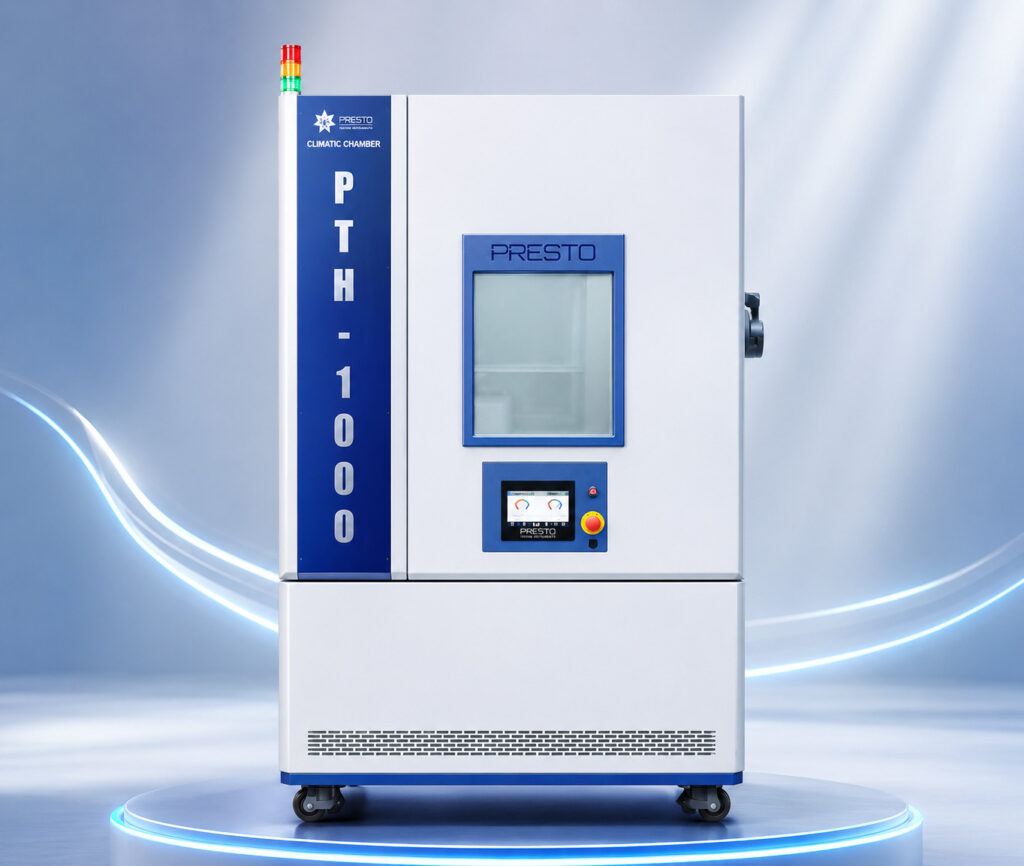

Fixing your damp heat test chamber should not feel like a complex mystery. Most operators face predictable headaches when equipment behaves in unexpected ways during a run. Reliable data depends entirely on the stability of your test environment. When things go wrong, you need a clear path toward resolution without losing hours of setup time. This guide helps you navigate those common hurdles with practical steps.
Troubleshooting Common Issues in Your Damp Heat Test Chamber
Technical errors cause major delays. We list common faults and provide fast solutions to get your project back on track with minimal hassle.
Airflow and Balance
Maintaining steady conditions requires attention to airflow and load capacity. Variations appear when air does not circulate well around your products. Operators often find that simply rearranging items inside the cabinet restores balance. Airflow blockage acts as the primary culprit for drift. When your damp heat test chamber lacks uniform conditions, test results become questionable. Verify that the chamber vents remain clear of obstruction.
Check the door seals. A loose seal allows outside air to interfere with internal conditions. Monitor these variables regularly to prevent data errors. A damp testing machine operates best when the cabinet remains sealed and unobstructed. These simple checks save you from repeating entire tests.
Sensor Precision
Accurate measurement forms the backbone of any successful experiment. Sensors drift over time due to constant exposure to humidity and heat. Regular verification stops false readings before they ruin a whole batch of results. Most failures happen when operators forget to verify calibration schedules. You need to use certified reference tools to confirm your device shows the correct numbers. If the data looks strange, start with the sensor check.
High quality sensors reduce these risks significantly. They last longer in harsh environments. A proper damp testing machine includes stable, reliable hardware for better performance. Keep a log of every calibration event to stay compliant with your own quality standards.
Moisture Control
Moisture control stands as a technical hurdle that affects reliability. When water accumulates, it drips onto samples and creates fake failure modes. Proper drainage keeps the interior clean and dry. Rapid changes in temperature also create excess condensation inside the box. Gradual changes help keep everything stable and consistent. You want to avoid any pools of water at the bottom of your cabinet.
Ensure the drain line stays clear. Blockages cause overflow issues rapidly. Check the water level sensors often. Your damp heat test chamber requires a clean water supply to function correctly for long periods. These steps keep the internal environment predictable.
Sample Setup Problems
Errors in setup lead to bad results every single time. Operators must follow strict guidelines for placing items inside the chamber. Cramming too many samples together prevents air from reaching the surface of each part. You should leave enough space for airflow between every item. This simple fix solves many reliability problems. Always review your setup plan before you start a long test cycle.
Surface contaminants also ruin results. Clean your parts thoroughly before placing them inside. An improper setup makes a perfect machine look faulty. Always verify that your test specimens meet the required specifications for size and spacing. A damp testing machine works best when you respect these simple physical boundaries.
System Capacity
Problems arise when equipment does not match the needs of your experiment. An undersized system struggles to hold high humidity levels. This creates gaps in your data. You need a device that handles the heat and moisture load of your specific products. When the machine cannot keep up, tests run for too long. This wastes energy and time for your team.
Select hardware that exceeds your minimum requirements. This gives you extra room for larger batches. When choosing a damp testing machine, look for performance specs that cover your current and future needs. A damp heat test chamber provides the best value when you select the right size at the start.
Maintenance Habits
Maintenance keeps your systems running for years. Wear and tear affects every part of the machine eventually. You should inspect the compressor and the seals as part of your weekly habit. Ignoring these signs leads to sudden breakdowns during a run. Preventive work saves you from expensive repairs. Clean parts mean a reliable machine. Focus on the basics to avoid downtime.
Keep a simple checklist for your staff. Regular cleaning prevents salt buildup from humidity cycles. A well-maintained damp heat test chamber gives you consistent results every day of the week.
Conclusion
Tests fail for many reasons, but most are easy to fix with careful planning. Consistent environmental control, regular sensor checks, and proper setup ensure your data stays accurate. You want to avoid the common traps of poor maintenance or improper load handling. By using a robust damp testing machine, you can achieve better results and faster development cycles. Reliability comes from knowing your equipment and respecting the limits of the system. For those who need high precision and stable conditions, Presto Enviro provides reliable solutions that help your team get the job done right. Trust your process and keep your hardware in top shape to see success.