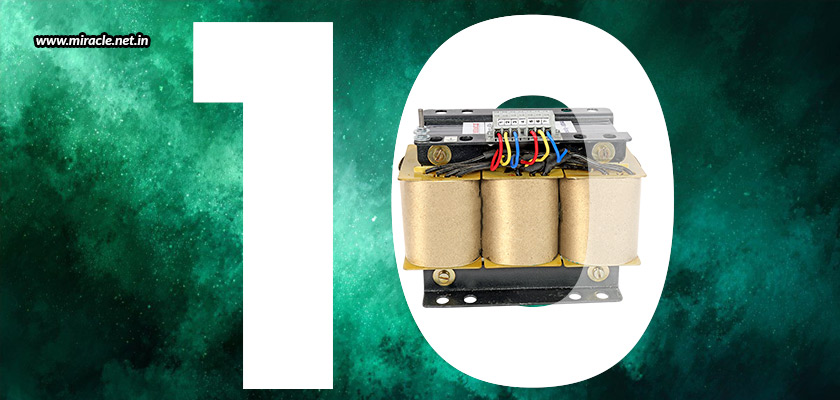

Making an investment in a power transformer is a crucial choice that impacts the efficiency, reliability, and safety of an electrical system. Whether it is for industrial activities, commercial facilities, or utility networks, making the wrong choice can result in energy losses, operational interruptions, and higher long-term expenses. Conversely, posing the right questions prior to a purchase guarantees that the transformer meets both the current requirements and future demands. This blog presents the top 10 vital questions you should consider before acquiring a power transformer, assisting you in making a well-informed and strategic choice.
- What type of transformer is best for my application?
Different transformer types are designed for different environments and operational needs. The two most common types include oil-filled transformers and dry-type transformers. Oil-filled transformers are effective for high-capacity and heavy-duty applications, while dry-type transformers are effective for safer, low-maintenance environments. Choosing the right type of transformer depends on factors like installation location, safety requirements, and cooling requirements.
- What are the required voltage and power ratings?
The transformer should match your system’s voltage and power requirements. The input and output voltage must be correct, and the power rating should handle both current and future load. Choosing the wrong ratings can cause poor performance, overheating, higher energy loss, or even damage to the transformer and connected equipment over time.
- What are my load requirements?
Understanding your load requirements is the first thing you should know before making a transformer selection. This includes evaluating the continuous load demand, peak load conditions, and load fluctuations over time. A transformer should be sized to handle the expected load efficiently without being overstressed or underutilized. Incorrect sizing can result in overheating, inefficiency, and reduced lifespan.
- What are the environmental conditions?
The installation environment plays a crucial role in determining the transformer performance. Key factors include the temperature, humidity, moisture levels, altitude, and the presence of dust or corrosive elements. The transformer you choose must be designed or selected to withstand the specific environmental conditions to ensure reliability and longevity of the device.
- What cooling method is required?
Cooling systems are essential to maintain safe operating temperatures. Whether you choose natural air cooling, forced air cooling, or oil-based cooling systems, the choice depends on the load capacity, environment, and available space. Proper cooling prevents overheating and extends transformer life.
- How efficient is the transformer?
Efficiency directly impacts the operating costs. Even minor inefficiencies can result in significant energy losses over time. It is thus important to consider the core losses, copper losses, as well as the efficiency at different load levels. A high-efficiency transformer reduces energy consumption, and contributes to long-term savings.
- What protection features are included?
A reliable transformer must be equipped to handle electrical faults and abnormal conditions. You may check for important protection features included in the transformer system, such as overcurrent protection, thermal protection, and surge protection. These features help prevent damage to the transformer and connected systems, ensuring safe and stable operation.
- What are the maintenance requirements?
Maintenance plays a key role in ensuring consistent performance. Ask the manufacturer or supplier about the frequency of inspections required, the monitoring and diagnostic systems that will be required, as well as about the ease of access to the main components of the transformer. Transformers with simpler maintenance requirements can reduce both downtime and operational costs.
- What is the total lifecycle cost?
The initial purchase price is only part of the overall investment. You must check for the comprehensive cost of the transformer across its lifecycle, which include the installation costs, energy losses over time, maintenance and repair costs, and the downtime costs. A transformer with a higher upfront cost but better efficiency and durability often results in lower total cost of ownership.
- Does the transformer meet the required standards and certifications?
Following local and international standards ensures the transformer is safe, reliable, and performs well. Always check if it meets recognized standards. Certified transformers are more dependable and work smoothly with different electrical systems around the world, reducing risks and improving overall efficiency and long-term performance.
Additional considerations
Although the top 10 questions address the most essential elements, a few extra considerations can enhance your decision-making process.
- Space and installation constraints: Evaluate available installation space and accessibility for maintenance. In compact environments, choosing a space-efficient transformer design ensures smooth installation and long-term operational convenience.
- Noise levels: In certain environments, transformer noise can be a concern. Selecting low-noise models helps maintain comfort, meet regulations, and ensure minimal disturbance during operation.
- Manufacturer expertise and support: A transformer’s reliability depends on manufacturer expertise. Trusted providers of power transformers in India, like Miracle Electronics, ensure quality products, consistent performance, and reliable technical support throughout the lifecycle.
- Future scalability: Power requirements may grow over time. Choosing a transformer with additional capacity or modular flexibility allows for easy expansion when required, without major replacements or costly system upgrades later.
Common mistakes to avoid
Even with the right questions, common mistakes can still affect transformer selection and lead to poor performance or higher long-term costs. For instance,
- Focusing only on initial cost instead of overall lifecycle value can result in higher expenses and reduced efficiency over time.
- Ignoring load fluctuations and future expansion may lead to undersized transformers, causing stress, inefficiency, and limited scalability.
- Underestimating environmental conditions can reduce transformer reliability, leading to insulation damage, overheating, and shorter operational lifespan.
- Overlooking efficiency and energy losses increases operating costs and reduces overall system performance over the transformer’s lifetime.
- Ignoring maintenance requirements can cause unexpected failures, increased downtime, and higher repair costs in the long run.
Avoiding these mistakes ensures better performance, improved efficiency, and a longer, more reliable operational life for the transformer.
Purchasing a power transformer is not merely a technical choice; it represents a strategic investment that impacts the entire electrical system. By posing the right questions regarding load requirements, transformer type, efficiency, environmental factors, protection features, and lifecycle costs, you can ensure that your decision aligns with both your operational and financial goals. A properly chosen transformer provides reliable performance, minimizes energy losses, and lowers long-term expenses. Dedicating time to assess these essential factors will enable you to make a confident and well-informed choice, guaranteeing optimal performance for many years ahead.