
The long-term reliability and operational efficiency of heavy-duty machinery are fundamentally anchored in the health of the undercarriage system, where the Carrier Roller plays a critical supportive role. By maintaining the track chain’s position and preventing it from sagging, these components ensure that the track system remains tensioned correctly and moves with fluid consistency. This essential support significantly minimizes the mechanical vibration and impact that typically accelerate wear on the track links and drive sprocket. Operators who maintain these rollers in premium condition ensure that their machinery remains a stable, high-output asset, capable of tackling complex projects with increased precision and significantly reduced mechanical downtime.
Foundations of Machine Stability and Mobility
The undercarriage serves as the vital interface between a heavy machine’s massive weight and the terrain it traverses. It is a sophisticated assembly engineered to manage load distribution while providing the necessary traction for demanding tasks. Every element within this system—including the rollers, idlers, and chain links—must be capable of resisting constant vibration and the abrasive nature of soil, rocks, and environmental debris.
A well-maintained undercarriage system is a hallmark of professional site management. By ensuring each part functions within its ideal parameters, the machine operates with lower friction and improved energy efficiency. This foundational stability not only protects the machine but also provides the operator with the predictable control needed for precision earthmoving and grading work in diverse conditions.
Advancements in Metallurgical Durability
The evolution of materials used in heavy machinery has revolutionized the durability of undercarriage parts. Today’s components are manufactured using high-strength alloys that undergo advanced heat-treatment processes to optimize their hardness and resilience. The surface of these parts is engineered to be exceptionally wear-resistant, allowing them to withstand the constant grinding of abrasive material, while the inner core remains ductile to absorb heavy shocks without fracturing.
This metallurgical precision ensures that the geometry of the components remains stable throughout their service life. When parts do not deform under pressure, the interaction between the moving track and the stationary components stays accurate, preventing the mechanical play that often leads to increased vibration and premature failure in less robust systems.
Optimizing Versatility with Quality Components
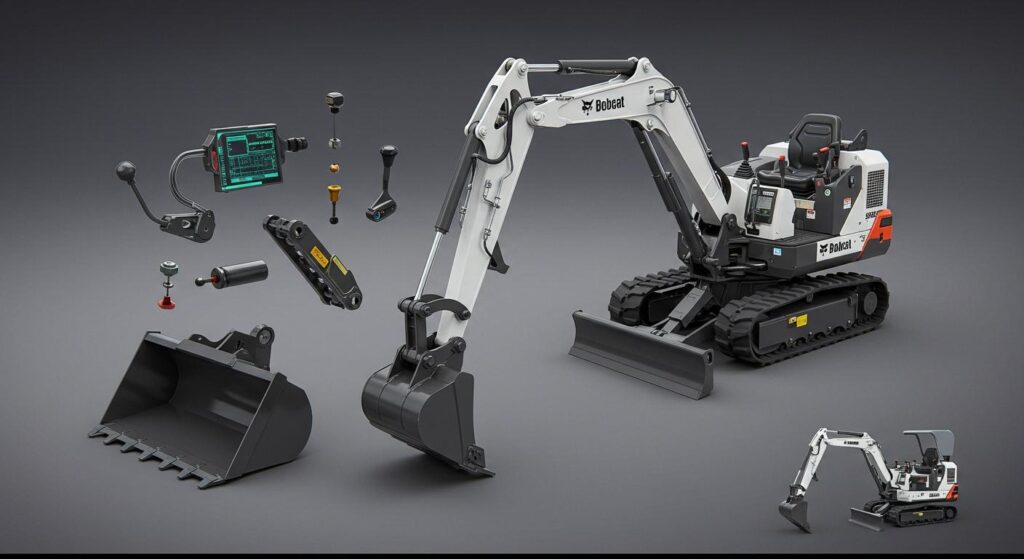
For owners of compact construction equipment, selecting the right components is a key strategy for maximizing uptime and maintaining peak performance. Sourcing genuine Bobcat Excavator Parts ensures that the machine functions exactly as intended by the manufacturer. These components are specifically designed to interface seamlessly with the hydraulic and structural systems of the machine, guaranteeing that power transfer is efficient and reliable. By using parts designed for the specific machine model, operators safeguard their equipment’s longevity and maintain the high performance standards required on modern, fast-paced job sites.
Sealing and Lubrication Innovations
One of the most impactful developments in undercarriage design is the shift toward maintenance-free, sealed-for-life systems. Modern rollers utilize sophisticated multi-piece mechanical seals that effectively lock in high-performance lubricants while creating a barrier against external contaminants. These seals are engineered to withstand the extreme pressures of daily operations, ensuring that the internal components remain lubricated even when submerged in mud or exposed to abrasive dust.
This technological advancement significantly lowers the total cost of ownership. Because these components do not require daily or weekly greasing, fleet managers save on labor costs and minimize the risk of human error in maintenance. The ability of these systems to resist environmental ingress ensures that the equipment remains operational and protected, regardless of the climate or site conditions.
Strategies for Proactive Component Care
Consistent, proactive care is the most effective method for protecting a significant capital investment. Instead of waiting for a component to show signs of failure, successful operators follow a routine inspection protocol that addresses small issues before they escalate.
-
Seal Integrity: Regularly inspecting for lubricant leaks is the primary way to protect the internal life of your rollers. Catching a leaking seal early prevents the dry-running that leads to rapid metal-on-metal degradation.
-
Alignment Checks: Visual inspections of how the track rides on the rollers can reveal early signs of misalignment. Correcting this prevents uneven flange wear, which preserves the original geometry of the system.
-
Debris Management: A clean undercarriage is a long-lasting one. Removing packed material prevents the “grinding” action that forces grit into seals and wears down running surfaces, directly protecting the longevity of the assembly.
The Economic Advantages of Proper Alignment
Alignment is often overlooked, yet it is a critical driver of fuel efficiency and cost management. When a track is perfectly aligned with the rollers and idlers, the machine moves with the lowest possible rolling resistance. This reduced resistance means the engine does not have to work as hard to overcome internal friction, which translates to immediate fuel savings and reduced thermal stress on the hydraulic systems.
Furthermore, a well-aligned system provides the operator with greater stability and control. This ease of handling reduces physical fatigue, allowing for more precise work over longer shifts. By prioritizing alignment, owners ensure their equipment is as cost-effective as it is productive.
Future Horizons in Predictive Equipment Health
The heavy equipment industry is currently embracing a digital shift, with sensor-integrated components becoming increasingly common. These smart systems monitor vibration, temperature, and wear patterns in real-time, providing actionable data to the operator or fleet manager. This evolution allows for a move away from time-based maintenance to predictive maintenance, where components are replaced based on actual wear rather than estimated hours. This precision ensures that no part is replaced prematurely, maximizing the return on investment while ensuring the machine is always ready for the next project.
Conclusion
The reliability of heavy-duty machinery is inextricably linked to the care and quality invested in its undercarriage. By focusing on the essential roles played by components like the carrier roller and choosing the right excavator parts, operators can ensure their machines function as powerful, reliable assets. Through the combination of advanced metallurgical design, careful alignment, and the application of predictive data technology, the construction and earthmoving sectors continue to set new benchmarks for efficiency. Ensuring every part of the undercarriage is in peak condition guarantees that the machine remains ready to meet the challenges of any job site with strength, precision, and confidence.
Frequently Asked Questions
Why is proactive debris management crucial for the undercarriage?
Removing mud and stones prevents them from grinding against seals and moving parts, which is one of the most effective ways to prevent premature wear and maintain component health.
How do I know if my rollers are nearing the end of their service life?
Signs of wear include unusual metallic grinding noises, visible oil leakage from the seal area, or a noticeable flattening of the tread surface on the roller.
What is the advantage of maintaining correct track tension?
Proper tension ensures the machine remains stable, prevents the track from derailing, and reduces unnecessary stress on the drive sprocket and track bushings.
Does proper alignment really lead to fuel savings?
Yes, a well-aligned track system experiences less internal resistance, which means the engine burns less fuel to maintain movement and speed.
How does predictive maintenance change equipment management?
By using real-time data to identify when a component truly needs service, you can avoid unexpected downtime and maximize the lifespan of every part on the machine.