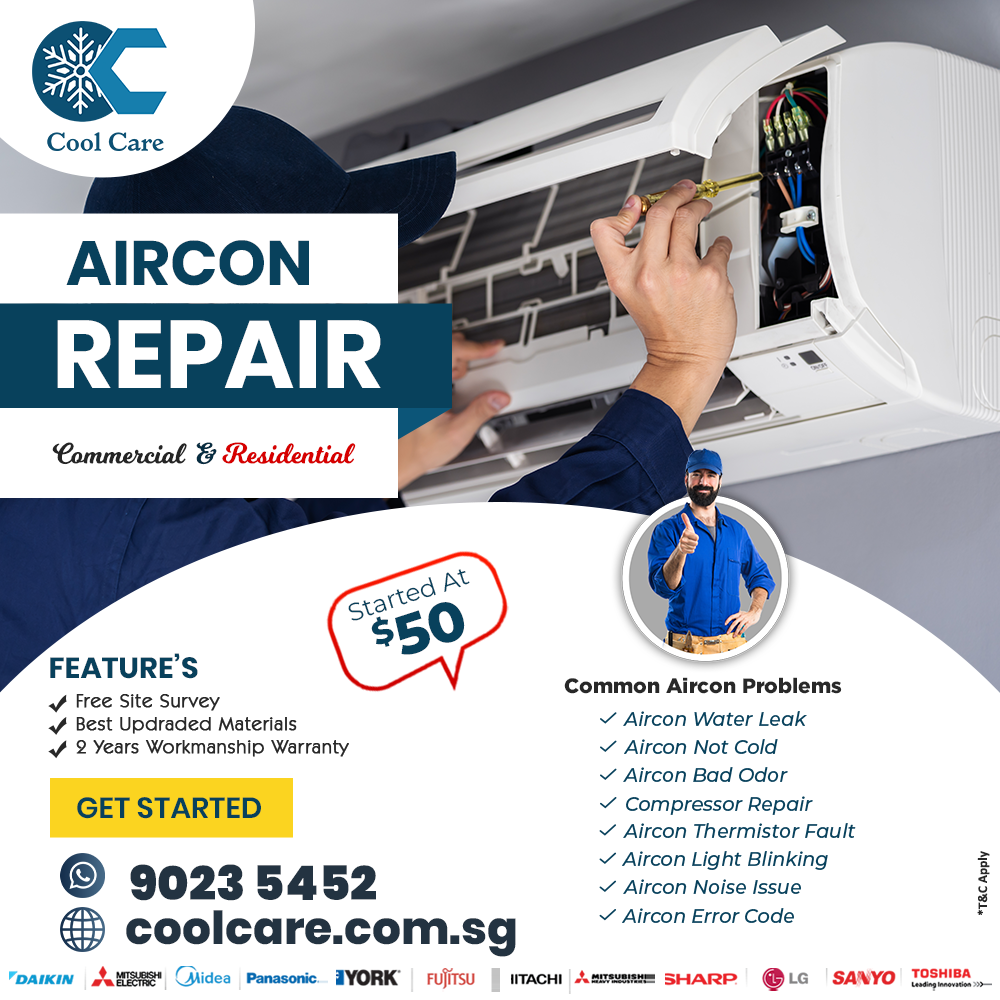

Aircon Repair
Living in Singapore means your air conditioning system is practically a round-the-clock worker. With our tropical climate delivering high humidity and warm temperatures throughout the year, a functioning aircon is not just a luxury—it is an absolute necessity for maintaining a comfortable indoor sanctuary. However, because our cooling units run almost continuously, they inevitably experience wear and tear that eventually demands maintenance, troubleshooting, or professional intervention.
When your cooling unit starts acting up—whether it is blowing lukewarm air, making strange grinding noises, or leaking water down your living room wall—the urge to jump in and fix the problem immediately is completely understandable. Unfortunately, many well-intentioned homeowners make critical missteps when attempting DIY fixes or hiring unqualified help. These errors can quickly transform a minor, inexpensive glitch into a major system failure, costing you hundreds of dollars in avoidable repair bills or even forcing a premature AC unit replacement.
To help you protect your investment, extend the lifespan of your cooling units, and ensure your home stays comfortably chilled, here are the top 10 aircon repair mistakes homeowners should avoid, along with insights into when to call professionals for specialised solutions like Aircon steam sterilization or Compressor maintenance.
1. Neglecting Safety Protocols Before Inspection
The most dangerous mistake a homeowner can make is attempting to inspect or troubleshoot an air conditioning unit while it is still connected to live electrical power. Air conditioners operate on high voltage and contain electrical components like capacitors that can hold a dangerous electrical charge even after the unit is switched off at the thermostat.
- The Mistake: Opening indoor access panels or outdoor service boxes without shutting off the power at the main circuit breaker first.
- The Better Approach: Always flip the dedicated circuit breaker switch to the “OFF” position before touching any internal components, cleaning electrical parts, or clearing out debris. Working on live equipment carries a severe risk of electrocution or severe shock.
2. Mistaking the Root Cause of Poor Cooling
When an air conditioner stops blowing cold air, many homeowners assume the system simply needs a quick fluid recharge. While low refrigerant can certainly cause a drop in cooling efficiency, it is rarely the only culprit.
- The Mistake: Assuming every cooling failure requires an immediate AC refrigerant recharge without investigating other underlying causes.
- The Better Approach: Remember that refrigerant circulates in a closed, sealed loop. If your system is low on gas, it means there is an underlying leak that must be found and repaired first. Often, poor cooling is actually caused by severely clogged air filters, thick dust accumulation on the evaporator coils, or blocked airflow rather than a lack of gas.
3. Attempting Complex DIY Repairs Beyond Your Skill Level
Thanks to online video tutorials, it is easy to feel empowered to fix household appliances yourself. However, air conditioning units are complex mechanical and electrical systems requiring specialized tools, technical certifications, and precise calibration.
- The Mistake: Attempting to solder refrigerant lines, replace a sealed compressor motor, or rewire complex electronic control boards without professional training.
- The Better Approach: Know your limits. While cleaning filters and clearing condensate drain lines are great DIY tasks, leave electrical faults, refrigerant handling, and internal mechanical overhauls to certified HVAC professionals who carry the right diagnostic tools and safety credentials.
4. Skipping Routine Preventive Maintenance
Many homeowners operate under a reactive mindset, adopting an “if it isn’t broken, don’t touch it” philosophy. They wait until the aircon completely breaks down on the hottest day of the year before calling for help.
- The Mistake: Ignoring regular upkeep until a catastrophic failure occurs, leading to emergency repair callout fees and severe discomfort.
- The Better Approach: Schedule consistent Routine aircon maintenance every three to six months. Routine maintenance allows technicians to catch worn-out parts, loose wiring, and minor clogs early, ensuring your system runs at peak efficiency and avoiding expensive emergency repairs.
5. Ignoring Unusual Noises and Indicators
Air conditioning units naturally emit a quiet, steady hum during normal operation. When strange sounds or warning lights appear, they are your system’s way of crying out for help.
- The Mistake: Turning up the television volume to drown out a loud rattling, squealing, or grinding noise, or ignoring blinking indicator lights on the indoor unit.
- The Better Approach: Pay attention to auditory and visual cues. A sudden screeching sound often points to a failing motor bearing or slipped belt, while a rattling noise indicates loose panels. Catching these sounds early prevents minor friction from turning into total component seizure.
6. Delaying Action on Water Leaks
Water pooling beneath your indoor air handler or dripping down your wallpaper is one of the most common household aircon frustrations.
- The Mistake: Placing a bucket under the leak and ignoring the problem for weeks, hoping it will resolve itself.
- The Better Approach: Indoor water leaks almost always point to a clogged condensate drain pipe or a dislodged drain line caused by an accumulation of algae and organic sludge. Ignoring this can lead to severe water damage to your drywall, flooring, and furniture, as well as encouraging toxic mold growth. Address leaks promptly with proper clearing or professional aircon repair.
7. Choosing Cheap, Unqualified Technicians
When faced with a repair bill, it is natural to look for ways to save money. However, hiring the absolute cheapest handyman advertising services online can often backfire spectacularly.
- The Mistake: Selecting a contractor purely based on rock-bottom prices without checking reviews, licensing, or workmanship warranties.
- The Better Approach: Unqualified technicians may use substandard replacement parts, botch a refrigerant recharge, or fail to properly diagnose the root cause of a problem. Always choose reputable, experienced service providers who stand by their workmanship and provide transparent pricing.
8. Neglecting Deep Cleaning Needs
Standard cleaning usually involves washing the mesh air filters and wiping down the outer casing. However, years of daily operation leave deep deposits of grime, mold, and grease trapped inside the internal coils and blower wheels.
- The Mistake: Relying solely on basic filter washing year after year while ignoring the internal components of the air handler.
- The Better Approach: When standard servicing is no longer enough to restore airflow, eliminate musty odors, or eradicate stubborn bacterial buildup, invest in advanced sanitisation methods. Opting for periodic aircon steam cleaning or a comprehensive chemical overhaul strips away contaminants from hard-to-reach coils, vastly improving indoor air quality and cooling efficiency.
9. Forgetting to Check Brand-Specific Guidelines and Error Codes
Modern air conditioning units—whether you rely on a high-efficiency Daikin aircon error code, a durable Mitsubishi aircon error code, or another major brand—are equipped with sophisticated onboard diagnostics designed to help troubleshoot issues quickly.
- The Mistake: Guessing what is wrong with the system or resetting the power repeatedly when an error code flashes, without checking what the specific code actually means.
- The Better Approach: Learn to recognize indicator light patterns or error codes displayed on your indoor unit. Consulting your user manual or sharing specific flashing light sequences with your technician helps pinpoint the exact electrical or mechanical fault instantly, saving diagnostic time and labor costs.
10. Running the System Harder After a Repair Without Testing
Once a repair has been completed, many homeowners simply turn the unit on, set it to the lowest temperature, and assume everything is fixed for good. Furthermore, neglecting deep-seated mechanical heart failures—such as a heavily strained outdoor unit—without checking core outdoor components can lead to repeat breakdowns.
- The Mistake: Failing to test all operating modes, check airflow consistency, or verify that strange noises, leaks, and outdoor vibration issues have completely stopped before the technician leaves.
- The Better Approach: Always test your air conditioner across different fan speeds and modes immediately after a service or repair. Ensure the temperature drops evenly, airflow feels robust, and no unusual sounds persist. If your system has experienced severe operational stress or heavy motor strain over the years, scheduling specialized aircon compressor servicing alongside your repairs ensures that both indoor and outdoor components are balanced and fully optimized for peak performance.
Conclusion
Properly maintaining and repairing your air conditioning system requires a balance of cautious DIY habits, timely professional care, and a clear understanding of what not to do. By avoiding these ten common repair mistakes—from mishandling electrical safety to ignoring early warning signs and delaying routine servicing—you can protect your cooling equipment from premature breakdown. Stay proactive, respect your system’s maintenance needs, and enjoy a reliably cool, peaceful, and comfortable home environment all year round.
#bestairconservicing #airconserviceprice #ACservice #acservicesingapore #acservicing#airconservice #airconservicing #airconservicecompany #airconservicesingapore #airconservicingsingapore #bestairconservice #bestairconsingapore #commercialairconservice #airconcleaningservice #airconcleaning #acservice #acservicing #acservicesingapore #acservicingsingapore #AirconRepair #AirconMaintenance #SingaporeAirconService #airconservicenearme #commercialairconservicingsingapore #airconcompanysingapore #airconsg #airconservicingnearme