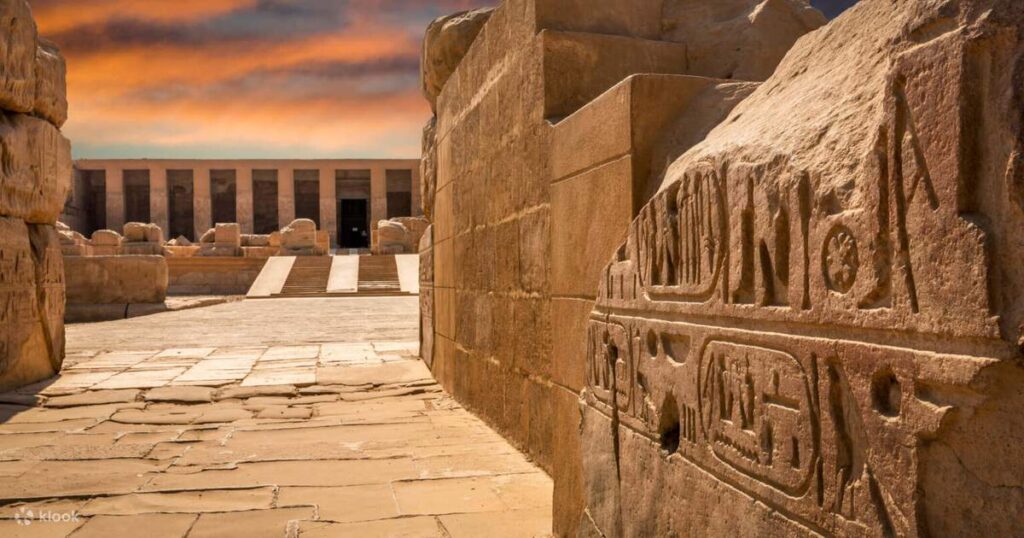

A tour from Luxor to the ancient temples of Dendera and Abydos is one of the most enriching and spiritually captivating experiences in Egypt. While Luxor itself is often called the world’s greatest open-air museum, venturing beyond its boundaries reveals even deeper layers of Egypt’s fascinating past. This journey takes travelers into the heart of ancient beliefs, artistry, and architectural brilliance that have withstood thousands of years.
The adventure typically begins early in the morning from Luxor, ensuring you have ample time to explore both sites. The drive to Dendera, located about 60 kilometers north of Luxor, is comfortable and scenic, passing through rural Egyptian landscapes that offer glimpses of everyday life along the Nile.
Dendera Temple, dedicated to the goddess Hathor, is one of the best-preserved temple complexes in Egypt. Hathor, known as the goddess of love, beauty, music, and motherhood, was widely revered, and her temple reflects her importance in ancient Egyptian culture. As you approach the temple, its massive stone walls and grand entrance create an immediate sense of awe.
Inside, the temple’s ceiling is one of its most remarkable features. Unlike many ancient sites where colors have faded, the ceilings of Dendera still display vibrant carvings and artwork. The famous zodiac ceiling, depicting constellations and celestial figures, provides insight into how ancient Egyptians understood astronomy and the cosmos. Walking through the hypostyle hall, supported by massive columns adorned with the face of Hathor, feels like stepping into a different era.
Another highlight of Dendera is the series of underground crypts. These chambers, hidden beneath the temple, were used to store sacred objects and treasures. The carvings inside these crypts are intricate and mysterious, adding an element of intrigue to the visit. Visitors often find these spaces both fascinating and slightly eerie, as they offer a more intimate connection to ancient rituals.
After exploring Dendera, the journey continues to Abydos, located approximately 135 kilometers northwest of Luxor. The drive is longer, but it is well worth the effort, as Abydos holds immense historical and religious significance. It was considered one of the most sacred sites in ancient Egypt and was believed to be the burial place of Osiris, the god of the afterlife.
The Temple of Seti I at Abydos is the main attraction here. Built by Pharaoh Seti I and completed by his son Ramses II, this temple is renowned for its exquisite carvings and well-preserved reliefs. Unlike many other temples, the artwork in Abydos appears almost fresh, with fine details that showcase the skill of ancient craftsmen.
One of the most famous features of the Abydos temple is the Abydos King List. This carved wall lists the names of Egyptian pharaohs from the earliest dynasties up to Seti I, offering a valuable historical record. For history enthusiasts, seeing this list in person is a powerful experience, as it connects the visitor directly to Egypt’s royal lineage.
Another captivating aspect of Abydos is the Osireion, a mysterious underground structure located behind the main temple. Thought to symbolize the tomb of Osiris, this structure is surrounded by water and massive stone blocks, creating an atmosphere of mystery and reverence. Its unique design has puzzled archaeologists and historians for years, adding to the allure of the site.
What makes this tour particularly special is the contrast between the two temples. Dendera feels vibrant and celebratory, reflecting the joyous aspects of Hathor’s worship, while Abydos carries a more solemn and spiritual tone, connected to death, rebirth, and the afterlife. Together, they offer a balanced perspective on ancient Egyptian beliefs.
The journey back to Luxor in the evening provides time to reflect on the day’s experiences. Watching the sun set over the Nile and surrounding landscapes adds a serene conclusion to an already unforgettable trip.
Travelers often describe this excursion as a highlight of their Egyptian adventure. It is less crowded than the more famous sites in Luxor, allowing for a more relaxed and immersive experience. Hiring a knowledgeable guide can greatly enhance the visit, as they can explain the symbolism behind the carvings and bring the stories of ancient Egypt to life.
In conclusion, a tour to dendera and abydos temples from luxor is not just a day trip—it is a journey through time, spirituality, and human achievement. From the colorful ceilings of Dendera to the sacred halls of Abydos, every moment is filled with wonder. For those seeking to go beyond the typical tourist path and discover the deeper essence of ancient Egypt, this tour is an absolute must.