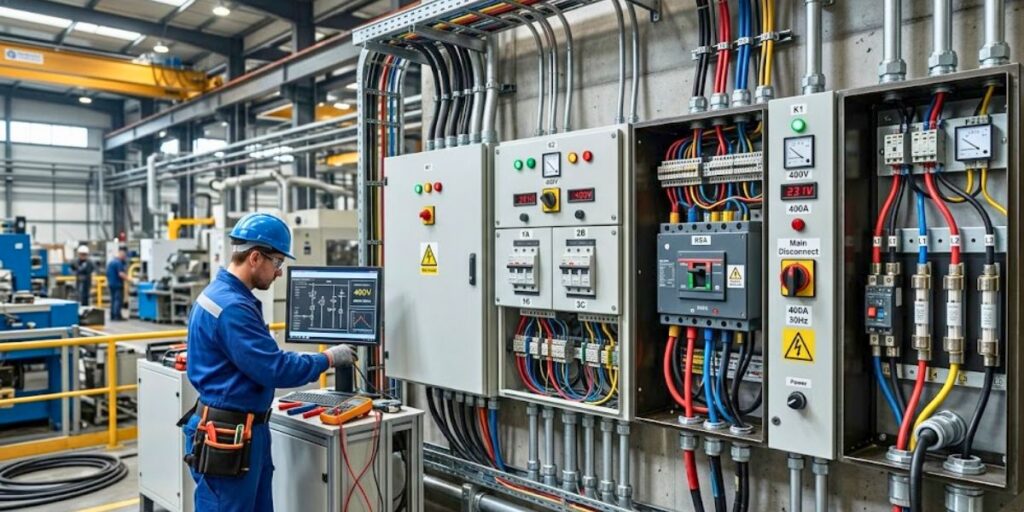

In my experience working with electrical infrastructure across industrial and commercial environments, one of the most overlooked yet critical aspects of performance is how efficiently energy enters a system. Many organizations focus heavily on generation and distribution, but the entry point of power, the stage where electricity is received, regulated, and directed often determines how well the entire system performs. This is exactly where power input panels come into play. I’ve seen facilities struggle with inefficiencies, voltage instability, and equipment stress simply because their input systems were not properly designed or optimized. When energy flow is not controlled at the entry level, every downstream component is affected, leading to operational challenges that could have been avoided.
Understanding Power Input Panels
To fully grasp their importance, it’s essential to understand what power input panels are and how they function within an electrical system. A power input panel is responsible for receiving electrical power from an external source and directing it into the internal distribution network. It acts as a control hub where power is monitored, protected, and prepared for further distribution.
In my experience, these panels typically include a combination of critical components that work together to ensure smooth operation:
- Main circuit breakers for primary protection
- Busbars for efficient current flow
- Voltage and current meters for monitoring
- Surge protection devices
- Grounding systems for safety
These elements create a structured environment where incoming power can be managed effectively, reducing the risk of instability or damage.
Why Optimizing Energy Flow Matters
Energy optimization is not just about reducing consumption, it’s about improving how power is handled throughout the system. When energy flow is optimized at the input stage, it creates a ripple effect that enhances the performance of the entire infrastructure.
From what I’ve observed, poor energy flow management can lead to:
- Voltage fluctuations
- Equipment overheating
- Increased energy losses
- Frequent system interruptions
By contrast, a well-optimized input system ensures consistent voltage levels, balanced loads, and efficient energy usage. This directly impacts productivity, especially in environments where continuous operation is critical.
Key Benefits of Power Input Panel Solutions
1. Stable and Controlled Power Entry
One of the most important advantages I’ve seen is the ability to stabilize incoming power before it reaches sensitive equipment. Power input panels regulate voltage and current, ensuring that fluctuations are minimized.
This results in:
- Improved equipment performance
- Reduced risk of damage
- Consistent operational output
2. Enhanced System Protection
Protection is a major concern in any electrical setup. Input panels are equipped with safety features that protect the entire system from faults originating at the source.
Key protection features include:
- Overcurrent protection
- Short circuit prevention
- Surge suppression
- Ground fault protection
In my experience, these features significantly reduce the likelihood of major system failures.
3. Efficient Load Management
Another benefit I’ve found particularly valuable is improved load management. By controlling how power enters the system, these panels help distribute energy more evenly across circuits.
Benefits include:
- Balanced energy distribution
- Reduced strain on individual components
- Improved overall efficiency
Real-World Implementation Insight
In one project I worked on, upgrading the facility’s input infrastructure with modern Power Input Panels made a noticeable difference in energy performance. Prior to the upgrade, the system experienced frequent voltage fluctuations and occasional equipment shutdowns. After implementing a properly designed input panel solution, the energy flow became significantly more stable, and the issues were largely eliminated.
What stood out to me was how addressing the entry point of power could resolve problems that had previously been attributed to other parts of the system.
Applications Across Industries
Power input panels are widely used across different sectors due to their critical role in energy management.
Common Industry Applications
Manufacturing Facilities
- Managing power from multiple sources
- Protecting heavy machinery
- Ensuring continuous production
Data Centers
- Stabilizing power for sensitive servers
- Supporting backup systems
- Maintaining uptime reliability
Commercial Buildings
- Regulating power for HVAC and lighting
- Supporting energy efficiency initiatives
- Ensuring tenant safety
Renewable Energy Systems
- Integrating solar or wind power
- Managing variable energy inputs
- Supporting grid synchronization
Comparison Table: Optimized vs Non-Optimized Energy Flow
| Feature | Optimized Input Panels | Non-Optimized Systems |
|---|---|---|
| Voltage Stability | High | Inconsistent |
| Energy Efficiency | Improved | Lower |
| Equipment Lifespan | Extended | Reduced |
| Risk of Failures | Low | High |
| Maintenance Requirements | Minimal | Frequent |
| Operational Reliability | Consistent | Unpredictable |
Integration with Modern Electrical Systems
In today’s advanced infrastructure, power input panels are often integrated with other systems to enhance performance and monitoring capabilities. I’ve seen these panels work seamlessly with:
- Automatic Transfer Switches (ATS)
- Backup generators
- Energy management systems
- Smart monitoring platforms
This integration allows for real-time tracking of energy flow, enabling operators to make informed decisions and respond quickly to changes in demand or supply conditions.
Design Considerations for Maximum Efficiency
To fully optimize energy flow, careful planning and design are essential. Based on my experience, the following factors should always be considered:
- Accurate load assessment and future expansion planning
- Selection of appropriate panel capacity
- Environmental conditions such as temperature and humidity
- Accessibility for maintenance and monitoring
- Compliance with industry standards like NEC and IEC
A well-designed system not only improves efficiency but also ensures long-term reliability.
Long-Term Benefits of Optimized Input Solutions
Investing in power input panel solutions provides measurable long-term advantages that go beyond immediate performance improvements.
Key Benefits
- Reduced energy losses
- Lower operational costs
- Improved system lifespan
- Enhanced safety and compliance
- Greater operational stability
I’ve consistently seen that facilities focusing on energy optimization at the input stage achieve better overall performance and fewer disruptions.
Final Thoughts
Optimizing energy flow is a critical aspect of building a reliable and efficient electrical system. Power input panels play a central role in this process by managing how electricity enters and interacts with the system. From improving stability and safety to enhancing efficiency and reducing costs, their impact is both immediate and long-lasting.
Based on my experience, organizations that invest in well-designed input panel solutions are better equipped to handle the demands of modern operations. They not only improve current performance but also create a strong foundation for future growth and scalability.