
Picking the tile is usually the easy part. You look at colours, textures, finishes, and sizes, and you can already picture the room coming together. What tends to get less attention is everything that helps those tiles stay put and keep looking good once the job is done. That includes the adhesive underneath, the grout between the joints, and the sealant that helps protect the surface over time.
Get those choices right and the whole installation feels solid, neat, and built to last. Get them wrong, and even the best-looking floor can start giving you trouble much sooner than expected. Loose tiles, stained grout lines, patchy finishes, and moisture problems often come back to the products used during fitting.
That is why it makes sense to treat adhesives, grout, and sealants as part of the design, not just the technical bits at the end.
Let’s take a look at these installation essentials in detail!
Why Tile Adhesives, Grout, and Sealants Matter More Than Most People Think
A tiled floor or wall goes through more than people realise. There is movement in the subfloor, changes in room temperature, moisture in kitchens and bathrooms, daily foot traffic, splashes, spills, and cleaning products. The tiles you see on the surface take the credit, but the installation products underneath do most of the hard work.
How to Choose the Right Adhesive for Stone and Porcelain Tiles
Adhesive is not a one-size-fits-all solution. Natural stone and porcelain do not always behave the same way, and neither do indoor floors, bathrooms, timber subfloors, and outdoor areas. A product that works fine in one room may not be the right pick somewhere else.
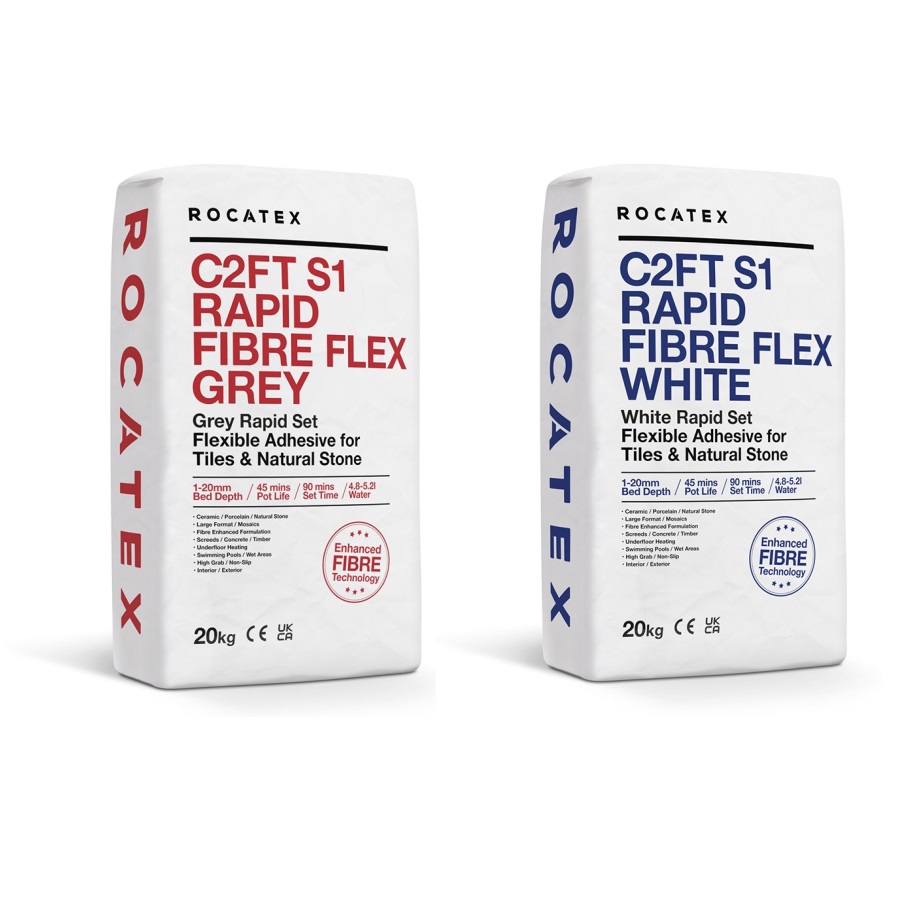
The adhesive range includes flexible rapid-set powder options in both grey and white. These are made for stone and porcelain and are suitable for demanding settings such as wet areas, underfloor heating, and exterior use. That flexibility matters because surfaces naturally shift a little over time, and the adhesive needs to cope with that movement rather than fight against it.
If you are choosing a natural stone tile adhesive, colour matters as well. White adhesive is often the better choice for lighter stones, where you do not want the fixing material to affect the final look. Grey adhesive tends to suit darker stone and many porcelain installations. In both cases, these stone adhesives are built for proper day-to-day use, not just for a finish that looks good on installation day.
Glue for Tiles on Wood: What You Actually Need to Know
A lot of people search for glue for tiles on wood as if there is one simple answer. In practice, timber floors need more care than that. Wood moves more than cement-based subfloors. It expands, contracts, and flexes, which means the tiled surface above needs extra support.
That is where the preparation side of the range comes in. Alongside flexible adhesives, there are primers and decoupling matting designed to help create a more stable base before tiling starts. A primer helps the adhesive bond better to the surface. A decoupling mat helps manage movement beneath the tiles. Used together with a flexible adhesive, they give you a much better chance of getting a lasting result on timber floors.
So when people ask about glue for tiles on wood, the real answer is usually this: start with the right preparation, then use an adhesive that is made to handle movement.
Choosing the Best Grout for a Cleaner, Better Finish
Grout does more than fill the gaps. It shapes the overall look of the floor or wall and helps protect the installation from everyday dirt and moisture. A poor grout choice can make even expensive tiles look unfinished. A good one pulls the whole design together.
The grout range includes options for wall and floor use, with flexible formulas suited to different joint widths and room types. There is also a fibre-reinforced, anti-mould grout that works especially well in spaces where moisture is part of everyday life. That makes it a practical choice for bathrooms, utility rooms, and busy kitchens.
Colour matters here too. Softer, more natural shades often work better with stone and stone-effect porcelain because they keep the finish looking balanced rather than harsh. It is a small detail, but it changes the final result more than most people expect.
Why Sealants and Sealers Are Worth Using
Once the tiles are down and the grout has cured, many people think the job is done. It usually is not. Natural stone is porous, and grout joints can absorb moisture, oil, and general household dirt if they are left unprotected.
This is where sealers earn their place. The range includes impregnating sealers, grout sealers, satin finish options, colour-enhancing treatments, and specialist products for stone, paving, patios, and porcelain. That gives you more control over the final finish and the level of protection you want.
Some people want to keep the stone looking as natural as possible. Others want to deepen the colour slightly and bring out more character in the surface. Either way, using the right sealer helps protect the look you paid for.
Do Not Skip Preparation and Aftercare Products
The supporting products matter just as much as the main ones. This collection also includes floor levellers, primers, cleaners, residue removers, and maintenance treatments for both indoor and outdoor surfaces.
That means you are not left sorting out problems later with whatever happens to be on the shelf. You can prepare the surface properly, protect the finish, and keep it looking right long after installation.
Conclusion: Good Tile Work Starts Before the First Tile Goes Down
A strong tile installation is built in layers. The tile matters, of course, but so does the adhesive underneath, the grout between the joints, and the sealer protecting the surface. Add in the right preparation and cleaning products, and the whole job becomes far more reliable. If you want a finish that looks good and lasts, these essentials are not extras. They are where the quality of the job really begins.