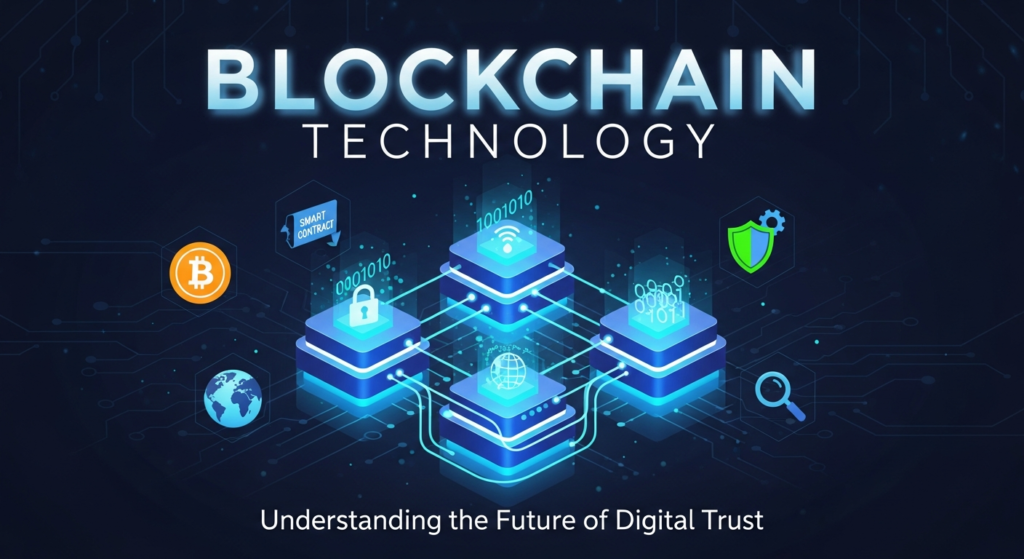

Blockchain technology is redefining the future of creative design by providing secure, transparent, and decentralized solutions for managing digital assets. As creative industries continue shifting toward digital platforms, designers and brands face growing challenges related to copyright protection, ownership verification, and audience engagement. Blockchain addresses these concerns by creating permanent records that authenticate digital creations while reducing the risks of duplication and fraud. Combined with emerging technologies like NFTs, blockchain enables designers to build innovative digital experiences that strengthen trust, improve collaboration, and create lasting value for both businesses and consumers.
Understanding Blockchain in Creative Design
Blockchain technology is transforming creative design by introducing a secure framework for verifying ownership and protecting intellectual property. Instead of relying on centralized databases, blockchain stores information across decentralized networks where records remain transparent and tamper-resistant. This allows designers to register original artwork, branding assets, and digital content with confidence. Every transaction becomes permanently recorded, ensuring authenticity throughout the asset’s lifecycle. As creative industries embrace digital transformation, blockchain supports a more trustworthy environment where originality is protected and creators receive proper recognition for their work.
The Rise of NFT-Powered Digital Branding
NFTs have introduced a fresh approach to digital branding by allowing businesses to create exclusive digital assets that customers can own and verify. These assets may represent artwork, membership passes, limited-edition collectibles, or premium digital experiences. Supported by blockchain technology, NFTs provide authenticity and scarcity that traditional digital content cannot offer. Companies use these assets to strengthen customer relationships, increase brand loyalty, and create memorable experiences. This shift is changing digital marketing by transforming passive audiences into active participants within branded digital communities.
How NFTs Improve Customer Engagement
Blockchain-powered NFTs have significantly enhanced the way brands interact with their audiences. Rather than simply viewing digital content, users can collect, own, trade, or access exclusive experiences connected to NFT assets. This sense of ownership creates stronger emotional connections and encourages long-term engagement. Interactive campaigns, personalized rewards, and digital storytelling further increase participation. Designers contribute by developing visually appealing and meaningful assets that deliver unique experiences. As customer expectations continue evolving, NFT-based engagement strategies help brands build stronger communities and deeper relationships with their audiences.
The Role of Creative Designers in Blockchain Ecosystems
Creative designers play a vital role in building blockchain-powered digital experiences. Their expertise extends beyond visual design to include storytelling, user experience, animation, and interactive content development. Designers create unique digital assets that represent brand identity while ensuring compatibility with blockchain platforms. Every design must balance creativity with authenticity, delivering experiences that users find valuable and memorable.
As blockchain adoption grows, creative professionals become essential contributors to digital innovation, helping organizations connect technology with compelling visual communication.
Blockchain Security and Digital Ownership
One of blockchain’s greatest advantages is its ability to establish secure digital ownership. Every creative asset stored on a blockchain receives a permanent, verifiable record that confirms its origin and ownership history. Because blockchain records cannot easily be modified, creators gain stronger protection against copyright infringement and unauthorized duplication. Buyers also benefit from greater confidence when purchasing digital assets because authenticity can be independently verified. This transparency creates a safer digital marketplace where trust becomes a core component of every creative transaction.
NFT Marketing and Digital Storytelling
NFTs are reshaping digital marketing by giving brands new ways to tell stories and engage audiences. Instead of relying on traditional advertising, businesses can create exclusive digital collectibles that represent their identity and values. Blockchain technology verifies every NFT, ensuring authenticity and ownership. Customers become active participants by collecting, trading, or unlocking exclusive content through these digital assets. This interactive approach strengthens emotional connections, increases customer loyalty, and transforms storytelling into a more immersive brand experience.
Business Benefits of NFT Brand Experiences
Businesses adopting blockchain-powered NFT strategies gain advantages that extend beyond digital ownership. Exclusive digital assets help brands attract new audiences while encouraging repeat engagement from existing customers. Blockchain technology builds trust through transparent verification, reducing concerns about counterfeit digital products. NFT campaigns also support community building by rewarding loyal customers with unique experiences. As digital markets become increasingly competitive, businesses that embrace blockchain innovation can improve brand recognition, strengthen customer relationships, and create sustainable long-term value.
Challenges of Blockchain and NFT Adoption
Although blockchain offers significant opportunities, organizations still face several adoption challenges. Technical complexity, development costs, regulatory uncertainty, and environmental concerns remain important considerations. Many consumers also have limited knowledge of blockchain systems, making education an essential part of successful implementation. Businesses must carefully evaluate their goals before investing in NFT projects. As blockchain infrastructure continues to improve, many of these barriers are gradually decreasing, making the technology more practical for creative industries and digital businesses.
Real-World Applications of NFT Branding
NFTs are expanding across industries including fashion, gaming, entertainment, sports, and real estate. Fashion companies release exclusive digital wearables, while gaming studios create collectible in-game assets verified through blockchain. Entertainment brands offer digital memorabilia that fans can own permanently. Real estate businesses even explore tokenized virtual properties within digital environments. These practical applications demonstrate how blockchain technology is creating new opportunities for creativity, customer engagement, and business innovation across multiple sectors.
Blockchain in Customer Loyalty Programs
Traditional loyalty programs are evolving through blockchain technology. Instead of offering standard reward points, businesses now provide NFT-based memberships, exclusive collectibles, and digital rewards that customers truly own. These blockchain-secured assets create stronger emotional value because they can often be collected, displayed, or exchanged. Personalized rewards further enhance customer satisfaction while encouraging long-term engagement. This modern approach transforms loyalty programs into interactive digital experiences that strengthen relationships between brands and their communities.
The Future of Blockchain in Creative Design
The future of creative design will increasingly depend on blockchain-powered innovation. As technologies like artificial intelligence, virtual reality, augmented reality, and the metaverse continue to evolve, secure digital ownership will become even more important. Blockchain technology will support transparent collaboration, automated licensing, and authenticated digital assets across these emerging platforms. Designers who embrace blockchain today will be better prepared to create immersive experiences that combine creativity, technology, and trusted digital interactions.
Conclusion
Blockchain technology is transforming creative design by improving transparency, security, and digital ownership across the creative industry. Combined with NFTs, it enables designers and brands to develop authentic digital experiences while protecting intellectual property and strengthening customer engagement. As digital innovation accelerates, blockchain will continue reshaping how creative assets are created, shared, and monetized. Organizations that adopt this technology today will be well positioned to lead the future of digital creativity, innovation, and sustainable brand growth.