
Choosing the right power generator is about more than convenience. It’s about staying prepared during outages, supporting daily activities, and protecting sensitive equipment. With so many options available, the process can feel overwhelming.
A clear framework helps simplify decisions by comparing features, fuel types, and performance, allowing you to invest wisely without stress. This approach supports better long-term energy planning for households and businesses alike, especially when choosing a power generator in Puerto Rico.
Step One: Define Your Use Case
Before looking at models or prices, clarify how you plan to use your generator. Needs differ between homes, job sites, outdoor activities, and remote locations. A camper may prioritize portability, while a homeowner focuses on storm readiness. Contractors often need higher output for tools. Understanding your situation narrows choices and prevents overpaying for unnecessary features.
Some people also consider generators for seasonal use, such as hurricane preparation or outdoor events. Others may want backup energy for home offices or medical devices. Thinking through when and where power interruptions occur helps refine your priorities before exploring specific features or capacities.
Step Two: Determine Power Requirements
Knowing your power needs helps avoid overloads and wasted capacity. Start by listing appliances or tools you want to run and check their wattage requirements. Some devices draw extra power when starting, which your generator must handle safely and consistently. This step ensures smoother operation and reduces the risk of damage to sensitive electronics or essential equipment.
Identify essential appliances
Focus on refrigeration, lighting, heating, medical equipment, and communication devices that must stay operational during outages.
Understand surge versus running watts.
Motors and compressors require extra startup energy, so always account for higher surge demands.
Plan for future needs
Adding a buffer ensures flexibility for new appliances without upgrading equipment later.
Step Three: Choose Generator Type
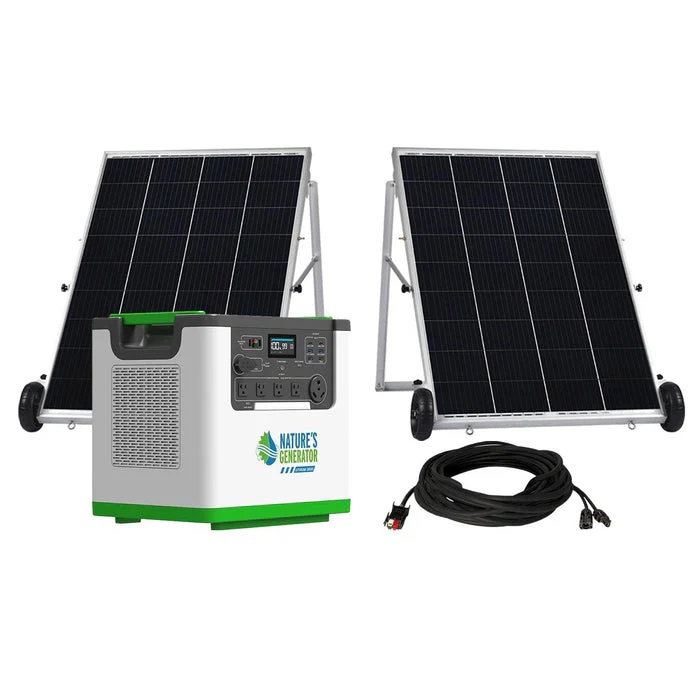
Different generator styles suit different lifestyles. Portable generators offer flexibility for short-term needs, inverter generators provide clean power for sensitive electronics, standby systems deliver automatic backup for homes, and solar generators support off-grid living. Many outdoor users and emergency planners now turn to portable solar batteries for quiet operation and reduced maintenance, especially in settings where fuel storage is limited.
Each type also differs in setup complexity. Portable units require manual startup, while standby systems activate automatically. Solar options recharge through panels and work best for lighter loads. Understanding these distinctions helps you avoid frustration and ensures your generator fits seamlessly into daily routines.
Step Four: Select Fuel Type
Fuel choice affects runtime, storage convenience, maintenance, and overall operating costs. Each fuel type offers advantages depending on accessibility and how often the generator is used. Selecting the right fuel source improves reliability and reduces unexpected disruptions.
Gasoline for everyday accessibility
Widely available and affordable, though it requires frequent refueling and careful storage management.
Diesel for long-term efficiency
Offers better fuel economy and durability, making it ideal for extended use or heavy workloads.
Propane or natural gas for cleaner storage
Burns cleaner and stores longer, though access depends on tanks or utility connections.
Battery and solar systems for quiet operation
Perfect for indoor or recreational use, providing emission-free, silent energy solutions.
Step Five: Evaluate Features and Performance
Beyond power output, modern generators include features that enhance usability and safety. Look for designs that simplify operation while protecting connected equipment. Performance matters most during emergencies when reliability is critical.
Noise level ratings for comfort
Quieter models improve usability in neighborhoods, campsites, and overnight applications.
Runtime indicators and fuel efficiency
Longer runtimes reduce refueling frequency and support extended power needs.
Safety systems and automatic shutoffs
Features like overload protection and carbon monoxide detection reduce accident risks.
Step Six: Consider Portability and Storage
Size and weight determine how easily a generator can be moved or stored. Compact models suit travel and small spaces, while larger units need dedicated storage areas. Wheels, handles, and folding frames improve transport during emergencies or outdoor activities.
Weather resistance is also essential. Outdoor-rated casings and protective covers extend lifespan, especially in humid or coastal environments where corrosion shortens equipment durability over time.
Step Seven: Budget and Long-Term Costs
The purchase price is only part of the overall investment. Fuel usage, maintenance, replacement parts, and warranties influence long-term value. Lower-cost units may result in higher expenses if repairs or fuel consumption increase over time.
Balancing affordability with build quality often produces better outcomes. A slightly higher upfront cost can deliver quieter operation, improved efficiency, and longer service life.
Reliable Power Starts With Smart Choices
Choosing the right generator means aligning your energy needs with the correct type, fuel source, and performance features. A structured approach helps avoid overspending while ensuring dependable power during outages or daily use.
Whether preparing for emergencies, outdoor adventures, or backup needs, thoughtful planning delivers peace of mind. Brands like DR TECH demonstrate how well-designed solutions support long-term energy reliability without unnecessary complexity.