
Car servicing was straightforward until recently. Change the oil, put some filters in, take care of the brakes, print the bill, and the driver could move on to wherever he had planned to go. None of this applies anymore. The vehicle today is different from what it used to be. It is no longer just a machine built of metal and moving parts. Today’s car is an elaborate network of computers and sensors that work together in harmony.
Diagnosis Before Servicing
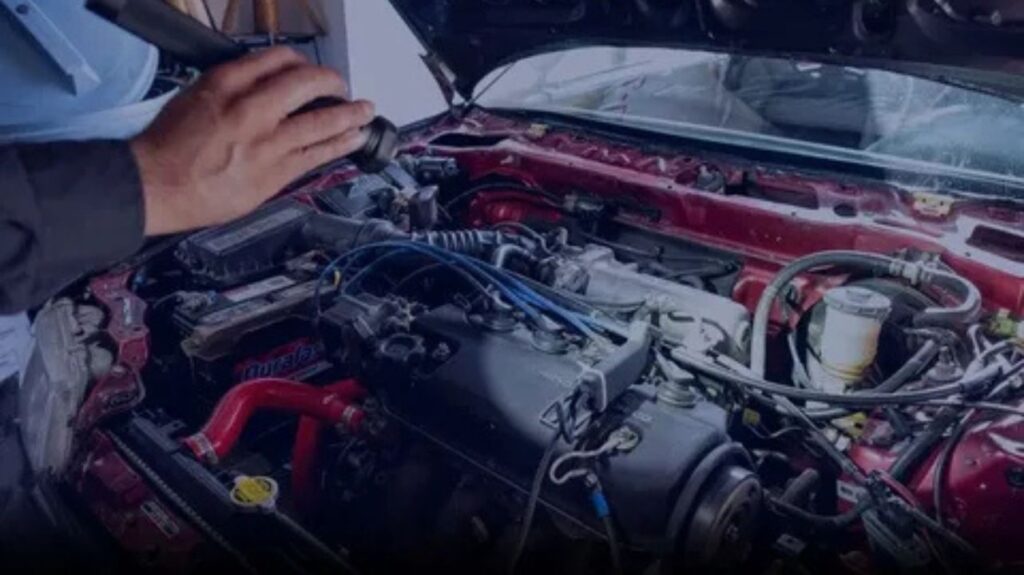
Today’s diagnosis process begins with a dialogue between the mechanic and the car itself. Before any hands-on work is done, the car will be connected to diagnostic equipment. All cars produced within the past two decades have a universal port through which their onboard computer system can be accessed. The mechanic connects to and analyses the incoming information. The car tells its story of health and wellness by providing fault codes, performance data, and sensor readings across its systems. This is not just a snapshot of current status; it’s an extensive conversation about what needs to be done. The effect of this process is profound. With information about what the car’s computer sees and thinks, the mechanic will find problems that would otherwise be undetectable. Failing sensors, faulty electronics, malfunctioning components, and more become visible during diagnosis before any work is performed.
AI on the Lookout for Issues
Modern diagnosis goes further still. Artificial intelligence is now being used to analyse car data that a human engineer might miss. The AI looks at trends. It compares present data to data collected from thousands of other cars. The AI recognises potential issues. This is not something out of a sci-fi movie. It is currently taking place in the UK’s workshops. The AI doesn’t take the place of the engineer. It simply provides information that the engineer wouldn’t normally have access to. An engine performing slightly differently, brake pressure that isn’t quite right, sensors sending readings that differ from normal, all these things are detected by the AI and investigated by the engineer. The outcome is that it is more predictive than reactive maintenance.
Software Servicing
Today’s cars are equipped with software that needs regular updates. As in computers and smartphones, such updates are made to solve problems, enhance performance, and sometimes even for safety reasons. It has become a necessary component of servicing to check whether the car’s software is up to date and make any necessary changes. This step cannot be missed, since otherwise the car will not work properly. Its safety functions will fail. The emissions control system won’t work properly either. Such a servicing procedure is no less important than oil changing. Some updates can be performed only by special tools, while others can be done wirelessly. In both cases, a technician should be aware of the current software version and updates. This is a skill that didn’t exist in the service industry twenty years ago.
The Physical Tasks That Are Always Done
Although technology has advanced, physical labour is still required to perform car servicing Wolverhampton. There is still oil that has to be changed. There is still a filter that has to be replaced. Brake pads still wear down. Suspension bushes deteriorate. There is still old oil that gets drained, a new filter that gets installed, and fresh oil that gets put into the vehicle. There is still checking the condition of the discs, measuring pad thickness, and inspecting suspension bushing wear and steering play. This is the basis of car service. However, the environment in which these tasks must be done differs. It is done based on a diagnosis, through which the physical components can be examined. For example, pads wearing unevenly are a sign of a problem with the calliper or ABS.
Sensors Requiring Inspection
A modern automobile has a variety of sensors that measure wheel speed, the angle of the wheels’ rotation, the distance to other vehicles, and other parameters. The data from these sensors is used to operate the anti-lock braking, traction and stability control, and advanced driver assistance systems. Service entails inspection of all sensors. They have to be cleaned and inspected for their proper installation and operation. If a single sensor is not installed correctly, the entire safety system suffers. It means that the car can operate well, but the driving becomes less secure. Some sensors are placed on elements that can be easily damaged. This may happen after hitting a pothole or some other obstacle. They can become dirty and contaminated. Service ensures its correct installation and functioning.
The Calibration That Really Counts
Cameras and radar are essential components of all driving assistance systems, including lane departure warning, emergency braking, and adaptive cruise control. Proper functioning of the system requires professional calibration. Any service performed on your car, such as windshield repair, wheel alignment, or suspension repair, may affect the system’s calibration. The driving assistance system will continue to operate, but its efficiency will be reduced. Part of the service includes calibrating the system. This is a specialised job requiring special equipment. However, it is a very important one for today’s cars. An ADAS with improperly aligned sensors can fail to brake in time or might even leave the lane.
The MOT Connection
Modern service and the MOT go hand in hand. While one helps detect the issue in advance, the other guarantees that the vehicle will meet the standards on the test date. Professional servicing of your vehicle increases the chances of passing the MOT test Wolverhampton. Worn brake pads get changed. The faulty bulb gets replaced. Emissions control works fine. Software is updated. Sensors are cleaned and calibrated. The MOT spots the missed items. The service makes sure that nothing gets missed.
Conclusion
The service of a car has changed due to changes in the cars themselves. A modern car is an electronic system which happens to have wheels. It requires adequate servicing. Service in 2026 includes diagnostics, software updates, sensors’ cleaning and calibration, as well as classic mechanical service. A driver who understands this reality keeps their car safe and reliable. They are more likely to pass the MOT too. The service bay has changed. The service delivered there has changed accordingly. And the change works for every driver.