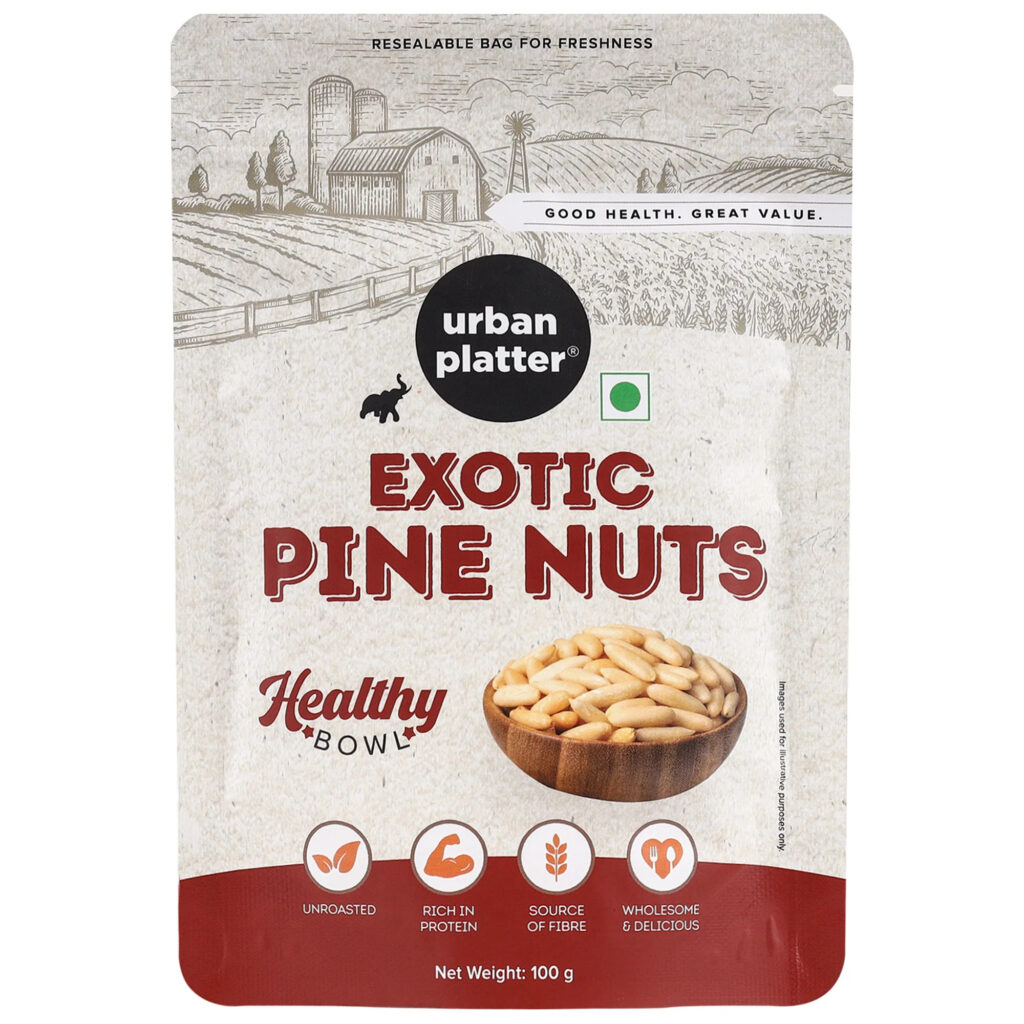

Heart health is influenced by many factors, including regular physical activity, quality sleep, stress management, and a balanced diet. Among the foods often associated with heart-conscious eating patterns, nuts and seeds frequently receive attention because of their nutritional profile. One ingredient that has gained popularity in recent years is pine nuts. Known for their buttery flavor and delicate texture, they are used in a variety of dishes, from salads and pasta to pesto and baked recipes.
But are pine nuts good for heart health? While no single food can prevent or treat heart disease, pine nuts can be a valuable part of an overall balanced diet. Let’s explore their nutritional profile and how they may support heart-friendly eating habits.
What Are Pine Nuts?
Pine nuts are the edible seeds found inside the cones of certain pine tree species. They have been enjoyed in Mediterranean, Middle Eastern, Asian, and European cuisines for centuries.
Their naturally rich texture and mild flavor make them suitable for:
- Homemade pesto
- Salads
- Grain bowls
- Pasta dishes
- Rice recipes
- Desserts
- Snack mixes
Besides their culinary versatility, pine nuts also provide several nutrients that contribute to a balanced diet.
Nutritional Profile of Pine Nuts
Although small in size, pine nuts contain a variety of nutrients. They naturally provide:
- Healthy unsaturated fats
- Plant-based protein
- Dietary fiber
- Vitamin E
- Magnesium
- Iron
- Zinc
- Manganese
These nutrients work together as part of an overall nutritious eating pattern.
Healthy Fats and Heart Health
One of the biggest reasons pine nuts are often included in heart-conscious diets is their healthy fat content. Unlike foods high in saturated fats, pine nuts primarily contain unsaturated fats, including monounsaturated and polyunsaturated fats. Replacing saturated fats with unsaturated fats as part of a balanced diet is generally recommended in many dietary guidelines because it can support cardiovascular health.
Rather than eliminating fats altogether, choosing healthier fat sources can be a smarter nutritional approach.
A Source of Vitamin E
Pine nuts naturally contain vitamin E, an antioxidant that helps protect cells from oxidative stress. Antioxidants are important because they help defend the body against damage caused by free radicals. While vitamin E alone does not guarantee heart protection, consuming antioxidant-rich foods as part of a varied diet supports overall wellness.
Including a variety of nutrient-rich foods, including pine nuts, helps diversify your intake of beneficial vitamins and minerals.
Magnesium Supports Normal Body Functions
Magnesium is another mineral naturally found in pine nuts. Magnesium contributes to several normal body functions, including:
- Muscle function
- Nerve function
- Energy production
- Normal protein synthesis
A balanced diet that includes magnesium-rich foods supports overall health and complements heart-conscious eating habits.
Plant-Based Protein for Balanced Meals
Protein plays an important role in many bodily functions and also contributes to meal satisfaction. Pine nuts provide plant-based protein that can be combined with other nutritious ingredients such as vegetables, legumes, and whole grains.
Adding protein-rich foods to meals may help create balanced dishes that are both satisfying and flavorful.
Dietary Fiber and Everyday Nutrition
Fiber is another valuable nutrient found in pine nuts. Fiber-rich foods are often recommended as part of balanced dietary patterns because they help support normal digestion and contribute to overall nutritional quality.
Pairing pine nuts with other fiber-rich foods such as fruits, vegetables, oats, and whole grains creates meals that are both delicious and nourishing.
Easy Ways to Include Pine Nuts in Your Diet
One of the greatest advantages of pine nuts is their versatility. They can be incorporated into numerous everyday recipes.
Popular ways to use pine nuts include:
- Sprinkling them over salads
- Blending them into pesto
- Mixing them into grain bowls
- Adding them to roasted vegetables
- Topping yogurt or oatmeal
- Including them in homemade trail mixes
- Using them in baked goods
These simple additions allow you to enjoy both their flavor and nutritional benefits.
Pair Pine Nuts with Heart-Friendly Foods
To create balanced meals, combine pine nuts with other wholesome ingredients.
Some excellent combinations include:
- Pine nuts and leafy greens
- Pine nuts with whole grains
- Pine nuts and roasted vegetables
- Pine nuts with fresh fruits
- Pine nuts and legumes
- Pine nuts in olive oil-based recipes
These combinations help create satisfying meals that align with healthy eating recommendations.
Portion Size Matters
Although pine nuts are nutrient-dense, they are also naturally calorie-rich because of their healthy fat content. Enjoying moderate portions allows you to benefit from their nutritional value while maintaining balance within your overall diet. A small handful or a light sprinkle over meals is often sufficient to enhance both flavor and texture.
Can Pine Nuts Replace Less Nutritious Snacks?
Many people look for alternatives to highly processed snack foods. Pine nuts can be included as part of homemade snack mixes alongside seeds and dried fruits. This allows you to create convenient snacks using simple, minimally processed ingredients. However, it’s still important to consider portion sizes and maintain variety in your diet.
Choosing High-Quality Pine Nuts
Freshness plays a major role in the taste and quality of pine nuts because they naturally contain delicate oils.
When purchasing pine nuts, look for:
- Fresh appearance
- Pleasant aroma
- Proper packaging
- Trusted brands
- Recommended storage instructions
Proper storage in a cool, dry place—or refrigeration after opening—helps preserve their quality for longer.
Common Misconceptions About Pine Nuts
Some people assume that eating more nuts automatically leads to better health. In reality, no single food can provide complete nutritional support on its own.
Pine nuts work best when included as part of a varied, balanced diet that also contains:
- Fruits
- Vegetables
- Whole grains
- Lean protein sources
- Healthy fats
Overall dietary patterns have a greater impact on heart health than any one ingredient alone.
Final Thoughts
So, are pine nuts good for heart health? The answer is that they can certainly be a nutritious addition to a heart-conscious eating pattern. Their healthy unsaturated fats, plant-based protein, dietary fiber, vitamin E, and essential minerals make them a valuable ingredient in balanced meals.
While pine nuts are not a substitute for medical care or an overall healthy lifestyle, they fit well into dietary patterns that emphasize whole, nutrient-rich foods. Whether added to salads, blended into pesto, sprinkled over grain bowls, or enjoyed as part of homemade recipes, pine nuts offer both exceptional flavor and nutritional value.
By combining pine nuts with a variety of wholesome foods and maintaining an active lifestyle, you can build eating habits that support overall wellness and contribute to long-term heart health.