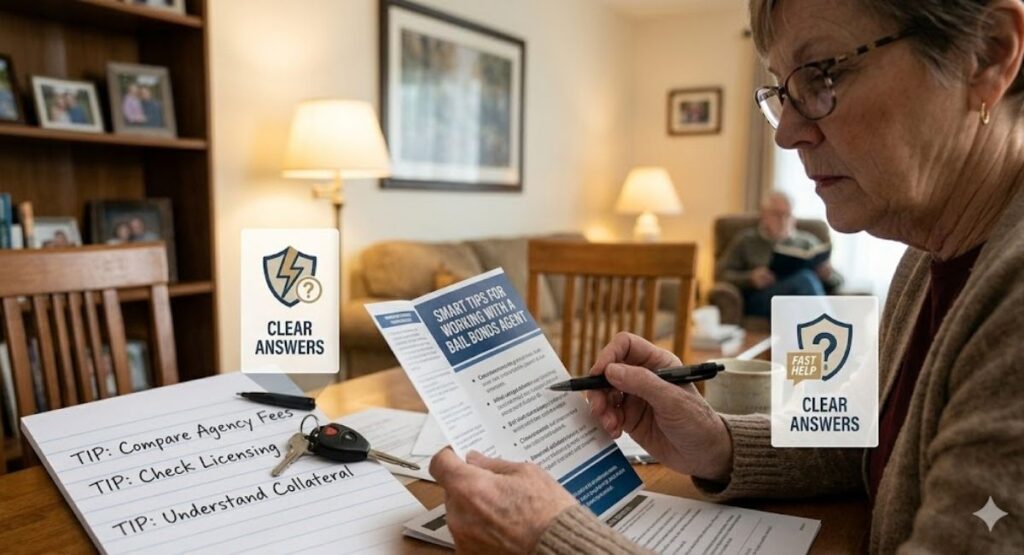

The phone rings late at night. A family member sounds scared. Someone has been arrested, and nobody knows what to do next. In that moment, stress can make every decision feel bigger. This is when a calm, licensed bail bonds agent can help you understand the next steps, payment options, court dates, and release process. If the arrest happens after normal business hours, working with 24/7 bail bonds in North Carolina can help you get answers when most offices are closed.
A bail bond situation can move fast, but that does not mean you should move blindly. The right agent should explain the process in plain language. You should know what you are signing, what the defendant must do, and what responsibilities you may accept as a co-signer.
Start With Clear Information Before You Call
Before you contact a bail bonds agent, gather the basic details. This saves time and helps the agent look up the case faster. You do not need to know everything, but a few details can help.
Try to collect:
- The person’s full legal name
- Date of birth, if available
- County or jail location
- Booking number, if known
- Charges, if available
- Bond amount, if already set
- Court date, if listed
Do not panic if you only have part of this information. A good bail bonds agent can often help you find the missing details. Still, the more you provide, the faster the conversation can move.
Also, be honest from the start. Do not hide facts about the person’s location, past missed court dates, or contact problems. Bail agents deal with difficult cases every day. Clear facts help them explain your real options.
Ask Questions Before You Sign Anything
A bail bond agreement is not just a quick form. It is a legal and financial commitment. If you sign as a co-signer, you may take responsibility if the defendant misses court or breaks the agreement. That is why you should slow down and ask questions.
Ask the bail bonds agent:
- How much is the bail bond fee?
- Is any collateral required?
- What happens if the defendant misses court?
- What duties does the co-signer have?
- Are payment plans available?
- What documents do you need?
- When can the person be released?
- Who should the defendant contact after release?
A professional agent should answer without pressure. You should never feel rushed into signing something you do not understand. If the agent avoids clear answers, that is a warning sign.
Also, ask whether the agent is licensed to operate in the state. In North Carolina, bail bondsmen are regulated, so licensing matters. A licensed agent understands local rules, jail procedures, bond paperwork, and county-level processes.
Understand the Role of the Bail Bonds Agent
A bail bonds agent helps post bond so the defendant can leave jail while the case continues. The agent does not decide guilt or innocence. The agent does not replace a defense attorney. The court handles the case, the attorney handles legal defense, and the bail agent helps with the bond process.
This difference matters. Families sometimes expect the agent to answer legal questions about charges, plea options, or case results. A responsible agent will not give legal advice. Instead, they may tell you to speak with a lawyer about the case itself.
The agent can usually explain bond conditions, check release status, coordinate paperwork, and remind you about bond-related responsibilities. They may also explain what the defendant must avoid, such as missing court, leaving the area without permission, or failing to stay in contact.
Keep Communication Open After Release
Many people think the process ends once the defendant walks out of jail. It does not. Release is only the start of the next phase. The defendant must attend every court date and follow all release conditions.
Make sure the agent has correct phone numbers, addresses, and emergency contacts. If the defendant moves, changes numbers, or cannot attend court for a valid reason, contact the agent right away. Silence can make a small issue worse.
The co-signer should also stay involved. If you helped with the bond, check that the defendant knows the court date. Keep copies of paperwork. Save the agent’s phone number. Set reminders. A missed court appearance can create serious problems, including bond forfeiture or a new warrant.
Good communication protects everyone involved. It also helps the agent respond quickly if something changes.
Watch for Red Flags When Choosing an Agent
Most bail bonds agents work hard and treat families with respect. Still, you should know what to avoid.
Be careful if an agent:
- Refuses to explain fees
- Pushes you to sign immediately
- Makes promises about case results
- Avoids written agreements
- Cannot confirm licensing
- Sounds unclear about the local jail process
- Treats your questions like a problem
A trustworthy agent explains the process, gives clear terms, and respects your situation. They understand that families are often scared, tired, and confused. They should bring order to the moment, not more pressure.
Work With a Bail Bonds Agent Who Knows the Local Process
Local experience can make a real difference. Jail procedures, court schedules, and release timing can vary by county. An agent who works in the area often knows how to move paperwork properly and who to contact for updates.
If the case involves a traffic-related arrest, missed appearance, or driving offense, ask about a reliable traffic bond service. These cases may feel less serious at first, but they can still lead to jail time, warrants, or added stress if ignored.
The best time to ask for help is before confusion turns into a bigger problem. When you work with a bail bonds agent, bring clear information, ask direct questions, read before signing, and stay in contact after release.
For fast, respectful, and local support, contact 𝐅𝐫𝐞𝐞𝐝𝐨𝐦 𝐅𝐚𝐬𝐭 𝐁𝐚𝐢𝐥 𝐁𝐨𝐧𝐝𝐬. Their team can guide you through the bail bond process, explain your options, and help you take the next step with confidence.