
Severe knee pain can slowly take away the freedom to move comfortably. Simple activities like walking, sitting for long hours, or climbing stairs may start feeling difficult. When non-surgical treatments such as medicines, injections, or physiotherapy no longer help, knee replacement surgery becomes an effective solution. Today, Robotic Knee Replacement has emerged as a more precise and advanced option for patients looking for better outcomes and faster recovery.
What is Robotic Knee Replacement?
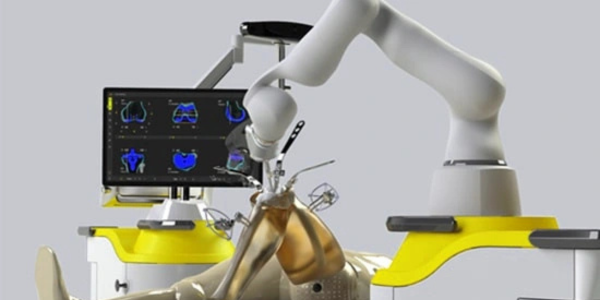
Robotic Knee Replacement is an advanced surgical method where a robotic-assisted system helps the surgeon perform knee replacement with high precision. It is important to know that the surgery is still fully controlled by the orthopedic surgeon—the robotic technology only assists in planning and accuracy.
This technique helps ensure that the artificial knee joint is placed in the most accurate position based on the patient’s anatomy.
Why Robotic Assistance Matters in Knee Surgery
Every knee is different, and even small variations in alignment can affect comfort and movement after surgery. Robotic assistance allows surgeons to create a personalized surgical plan before the operation.
During the procedure:
- A 3D model of the knee is created for planning
- Damaged bone and cartilage are removed carefully
- The implant is placed with enhanced accuracy
- Healthy surrounding tissues are preserved as much as possible
This results in a more controlled and refined surgical process.
Advantages of Robotic Knee Replacement
Patients considering this advanced procedure often benefit in several ways:
Improved Surgical Precision
Robotic assistance helps achieve accurate alignment of the knee implant, which supports better joint function.
Less Post-Surgical Discomfort
Since the procedure is more precise, it may lead to reduced tissue damage and discomfort.
Faster Return to Movement
Many patients are able to begin walking and basic movements earlier compared to traditional methods.
Better Long-Term Joint Performance
Proper implant positioning contributes to improved durability and smoother joint movement.
Customized Treatment Approach
Each surgery is planned according to the patient’s unique bone structure and condition.
Who Should Consider This Procedure?
A knee replacement doctor may suggest robotic knee replacement for patients who:
- Have advanced knee arthritis
- Experience long-term knee pain and stiffness
- Face difficulty in walking, standing, or daily movement
- Do not respond well to non-surgical treatments
A detailed evaluation is necessary to determine whether this option is suitable.
Recovery Journey After Surgery
Recovery after robotic knee replacement is an important part of the healing process. With proper care and physiotherapy, patients usually notice steady improvement in mobility.
The recovery process generally includes:
- Early movement with support within a short time after surgery
- Physiotherapy to improve strength and flexibility
- Gradual reduction in pain and stiffness
- Return to normal daily activities over time
Following medical guidance closely helps achieve the best possible outcome.
Why Patients Are Choosing Robotic Knee Replacement
The growing preference for robotic-assisted surgery is mainly due to its focus on precision and personalization. It helps surgeons perform the procedure in a more controlled way, which can improve patient comfort and recovery experience.
For individuals searching for advanced knee care, consulting a knee replacement doctor in Greater Noida can help determine whether this modern approach is the right choice.
Conclusion
Robotic Knee Replacement is a significant advancement in orthopedic surgery, offering improved precision, personalized planning, and potentially better recovery outcomes. While it may not be necessary for every patient, it provides a promising option for those suffering from severe knee damage. A proper medical consultation is essential to decide the most suitable treatment based on individual needs.
Frequently Asked Questions (FAQ)
1. What makes robotic knee replacement different from traditional surgery?
It uses robotic assistance to improve accuracy in planning and implant placement, while the surgeon performs the actual operation.
2. Is robotic knee replacement safe for all patients?
It is generally safe, but eligibility depends on the patient’s bone condition, age, and overall health.
3. Does robotic knee replacement reduce recovery time?
Many patients experience quicker early recovery, but full healing still depends on rehabilitation and individual health.
4. Will I be able to walk after robotic knee replacement?
Yes, most patients start walking with support within a short time after surgery under medical supervision.
5. How long does a robotic knee implant last?
With proper care and lifestyle management, knee implants can last for many years, often over a decade or more.