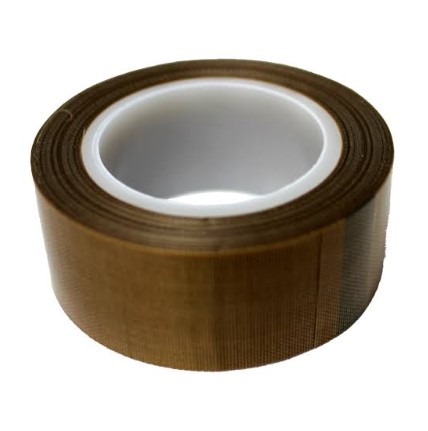

Industrial equipment often requires specialized materials that can maintain stable performance under heat, friction, chemical exposure, and repeated mechanical movement. Polymer-based materials are widely used in these environments because they offer controlled surface properties and resistance to operational stress. PTFE, or polytetrafluoroethylene, is one of the most widely applied fluoropolymers due to its low friction coefficient, chemical stability, and thermal resistance.
The engineering design of PTFE sticky tape combines a PTFE film layer with a pressure-sensitive adhesive backing. This construction allows the tape to provide a low-friction working surface while maintaining attachment to compatible substrates. Unlike conventional adhesive materials, PTFE tape is designed for applications where surface release, temperature stability, and controlled contact performance are required.
The technical performance of PTFE tape depends on multiple factors, including PTFE thickness, adhesive formulation, surface preparation, operating temperature, and the mechanical conditions of the application. Understanding these characteristics helps determine where this material can be effectively used in industrial systems.
Material Composition of PTFE Tape
PTFE is a synthetic fluoropolymer made from repeating tetrafluoroethylene molecules. Its molecular structure creates strong carbon-fluorine bonds, which contribute to its chemical inertness and resistance to degradation. This structure also gives PTFE one of the lowest friction characteristics among engineering polymers.
A typical PTFE adhesive tape consists of three main layers:
PTFE Film Layer
The outer PTFE layer provides the functional surface. This layer is responsible for:
- Low surface energy
- Non-stick characteristics
- Chemical resistance
- Temperature stability
- Reduced friction during contact
The thickness of the PTFE layer influences durability, flexibility, and heat transfer properties. Thicker materials may provide greater mechanical protection, while thinner versions are often selected where flexibility is important.
Adhesive Layer
The adhesive backing allows the tape to bond with metal, plastic, or other compatible surfaces. Different adhesive formulations are selected depending on temperature requirements and application conditions.
Acrylic and silicone adhesives are commonly used in industrial PTFE tapes. The adhesive selection is important because the bonding layer may experience different limitations compared with the PTFE surface itself.
Release Liner
Some PTFE adhesive tapes include a protective liner that prevents contamination before installation. The liner is removed during application, exposing the adhesive surface for bonding.
Thermal Performance Characteristics of PTFE Tape
Temperature resistance is one of the primary technical considerations when selecting PTFE-based materials. PTFE can maintain its physical properties across a wide temperature range, making it suitable for equipment exposed to thermal cycling. Many industrial PTFE tapes are rated for continuous operation around -73°C to 260°C, depending on product design and adhesive type.
However, the complete tape assembly is influenced by the adhesive system. While the PTFE layer may tolerate high temperatures, the adhesive determines how effectively the tape remains attached under thermal stress.
Applications involving heating elements, sealing systems, and thermal processing equipment require evaluation of:
- Operating temperature
- Heat exposure duration
- Surface temperature distribution
- Adhesive temperature rating
- Contact pressure
These factors determine whether a specific PTFE tape specification is suitable for the operating environment.
Friction and Surface Interaction Properties
PTFE is known for its extremely low coefficient of friction, which allows materials to slide across its surface with reduced resistance. This property is important in applications where repeated movement occurs between machine surfaces and processed materials.
In industrial systems, friction control affects several technical aspects, including:
- Surface wear
- Material flow
- Contact pressure
- Movement consistency
- Energy consumption
When installed on appropriate surfaces, PTFE sticky tape creates a controlled interface between moving materials and equipment components. The smooth PTFE surface reduces the likelihood of material adhesion during repeated contact cycles.
Industrial Applications of PTFE Adhesive Tape
Heat Sealing Systems
Heat sealing equipment commonly uses PTFE materials because sealing operations involve direct contact between heated surfaces and packaging materials. The PTFE surface acts as a release layer between the heating element and the material being sealed.
The tape must be selected according to sealing temperature, pressure level, cycle frequency, and equipment design.
Conveyor and Sliding Surfaces
Industrial conveyors and guides often experience continuous material movement. PTFE tape can be applied to specific contact areas where reduced friction and surface protection are required.
The technical selection process considers the load applied to the surface, movement speed, and environmental exposure.
Electrical and Insulation Applications
PTFE materials also have electrical insulation properties, allowing them to be used in specialized electrical applications. Their dielectric characteristics and temperature stability make them suitable where electrical separation and environmental resistance are required.
Installation Considerations for PTFE Tape
Proper installation directly affects tape performance. Before application, the mounting surface should be cleaned to remove oil, dust, moisture, or contaminants that could interfere with adhesion.
Important installation factors include:
- Surface material compatibility
- Application pressure
- Alignment accuracy
- Temperature conditions during installation
- Expected mechanical stress
Incorrect installation may reduce adhesive contact and shorten the operational life of the tape.
Maintenance and Inspection Requirements
Although PTFE tape is designed for demanding environments, regular inspection is necessary in industrial applications. Operators should monitor the tape surface for:
- Edge lifting
- Surface damage
- Excessive wear
- Loss of adhesion
- Material buildup
Inspection schedules should be based on operating conditions, production cycles, and environmental exposure.
Conclusion
PTFE tape is an engineered material designed to provide controlled surface performance in demanding industrial environments. Its PTFE layer delivers low friction, chemical resistance, and thermal stability, while the adhesive backing allows practical installation on compatible equipment surfaces. Selecting the correct PTFE sticky tape requires evaluation of temperature limits, adhesive characteristics, mechanical conditions, and application requirements. Understanding how different parts of machines interact with protective materials helps maintenance teams determine suitable replacement intervals and improve equipment reliability. Proper material selection and installation practices help maintain consistent performance in industrial systems where precision and durability are essential.