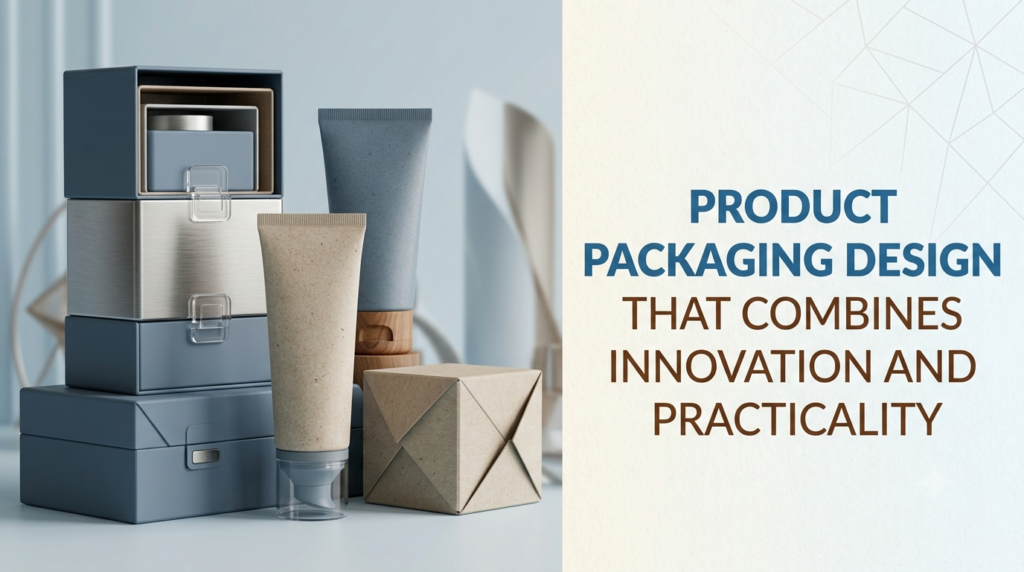

Ever picked up a product simply because the packaging caught your eye? Most people have, even if they don’t admit it. First impressions happen fast, and they’re often based on what we see before we know anything else. That’s where product packaging design quietly does its job. It isn’t only about making a box or bottle look attractive. It also has to protect what’s inside, make life easier for the customer, and reflect the personality of the brand. Finding that balance isn’t always easy. Some brands get carried away with flashy ideas, while others play it so safe that their products disappear into the shelf.
A package should feel natural in someone’s hands. Maybe that’s a strange thing to notice, but people do notice it. A box that’s awkward to open or a bottle that’s hard to hold can leave a lasting memory, and not the kind any business wants.
Good Packaging Starts with Understanding the Product
Every product has its own needs.
A glass perfume bottle needs different packaging than a protein bar. Fresh food has completely different requirements from electronic gadgets. Trying to force the same design style onto every product rarely works.
Before sketching ideas, many packaging designers ask simple questions.
- How fragile is the product?
- Will it be shipped long distances?
- Does it need protection from heat or moisture?
- Who is likely to buy it?
The answers shape almost every design decision that follows.
A luxury candle might deserve a sturdy, textured box with soft colors. Children’s toys usually call for brighter graphics and playful shapes. Neither approach is wrong. They’re just solving different problems.
Looks Matter… But Function Matters Too
We’ve probably all struggled with impossible packaging.
You know the kind. Plastic that refuses to open. Boxes that tear apart before you even reach the product. Tiny tabs that somehow vanish the moment you need them.
Beautiful packaging loses its charm pretty quickly if opening it feels like solving a puzzle.
Practical packaging design focuses on little everyday moments. Can customers carry it comfortably? Does it fit neatly on store shelves? Can they reseal it after opening?
These details may seem small, though they often decide whether someone buys from the same brand again.
Packaging Is Part of Brand Identity
People remember visuals long after they’ve forgotten product descriptions.
Colors, fonts, illustrations, and materials all tell customers something about the company behind the product.
A handmade soap brand using earthy colors and recycled paper creates a completely different feeling from an energy drink wrapped in metallic finishes and bold graphics.
Neither style is better.
They’re speaking to different audiences.
Brand packaging design isn’t about copying what’s trending. It’s about creating something that feels believable for your business.
Consistency helps too. Customers should recognize your packaging whether they’re shopping in a supermarket or scrolling through an online store.
Sustainable Packaging Is Becoming a Bigger Conversation
More shoppers are paying attention to what happens after they throw packaging away.
Can it be recycled?
Will it break down naturally?
Is there too much plastic?
These questions weren’t always common, though they’re becoming part of everyday buying decisions.
Eco-friendly packaging design doesn’t always mean expensive materials. Sometimes it’s as simple as reducing unnecessary layers, using recyclable paper, or creating refillable containers.
Small improvements add up over time.
Many people genuinely appreciate brands that make an effort, even if the changes seem modest.
Smart Packaging Features Can Improve Everyday Use
Packaging doesn’t have to be complicated to feel thoughtful.
Easy-pour spouts.
Resealable pouches.
Clear measuring marks.
Handles that actually feel comfortable.
Simple ideas often make the biggest difference.
I’ve bought coffee bags that stayed fresh for weeks because the zipper seal worked properly. I’ve also bought cereal boxes that practically exploded after opening once. Funny how those experiences stick with you.
People remember convenience.
Digital Shopping Has Changed Packaging Expectations
Online shopping creates a different challenge.
A package now has two jobs.
First, it has to survive shipping. Second, it has to look appealing when customers finally open it at home.
This is one reason why ecommerce packaging design has become such an important part of many businesses.
Nobody enjoys receiving crushed boxes or leaking containers.
Some brands even add small thank-you cards or simple printed messages inside the package. Tiny gestures, honestly. Yet they often leave a warmer impression than expensive packaging alone.
Materials Matter More Than People Realize
Cardboard, kraft paper, glass, aluminum, flexible pouches, rigid boxes… every material tells a slightly different story.
Luxury skincare brands often choose heavier materials because weight creates a sense of quality.
Organic food brands usually lean toward natural-looking textures.
Technology companies often prefer clean, minimal packaging with sharp edges and simple layouts.
Choosing packaging materials isn’t only about appearance. Cost, durability, shipping weight, storage space, and environmental impact all come into play.
It’s a balancing act.
Keep Information Clear and Easy to Read
No one wants to squint at tiny labels.
Product information should be easy to find.
Ingredients.
Instructions.
Warnings.
Expiry dates.
Contact details.
These things deserve enough space instead of being squeezed into a tiny corner.
Good package design guides the eye naturally without overwhelming customers with too much text.
Sometimes white space does more than another colorful graphic.
Why Working with Experienced Packaging Designers Makes Sense
Designing packaging involves much more than choosing attractive colors.
Measurements need to be accurate. Printing has to match the final material. Labels must meet industry requirements. Shipping conditions need consideration. Shelf visibility matters too.
Professional packaging designers usually think about these details early, saving businesses from expensive mistakes later.
A thoughtful package can quietly build trust before anyone even tries the product. That’s something many people overlook.
The truth is, packaging often becomes part of the experience itself. People notice how something feels in their hands, how easily it opens, and whether it looks worth sharing with friends or posting online. Those little moments aren’t accidental. They’re created through careful planning mixed with practical thinking. A package doesn’t have to shout for attention. Sometimes it just needs to feel right, and that’s exactly what people remember long after the wrapping is gone.