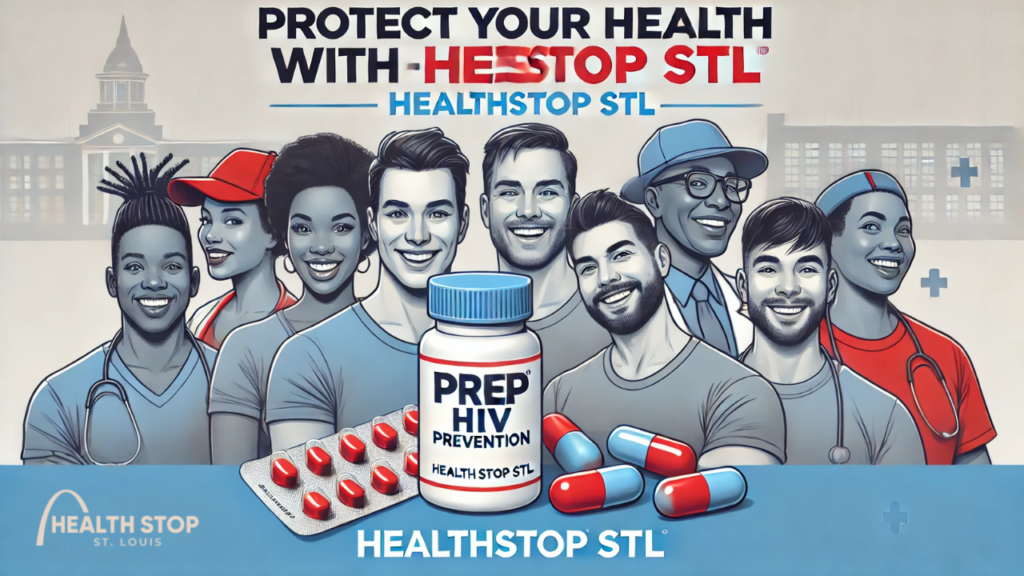

Pre-Exposure Prophylaxis, commonly known as PrEP, is a highly effective medical strategy for preventing HIV infection. Over the past decade, PrEP has transformed HIV prevention efforts worldwide by giving individuals greater control over their sexual health. When taken as prescribed, PrEP significantly reduces the risk of acquiring HIV through sexual contact or injection drug use.
Understanding how PrEP works, who should consider it, and how to access it is essential for making informed healthcare decisions. This article provides a clear and comprehensive overview of PrEP HIV prevention.
What Is PrEP?
PrEP stands for Pre-Exposure Prophylaxis, a preventive treatment for people who do not have HIV but are at higher risk of being exposed to it. It involves taking a prescription medication daily (or, in some cases, following a provider-guided dosing schedule) to lower the chance of HIV infection.
PrEP works by building protective levels of medication in the bloodstream. If HIV enters the body, the medication helps prevent the virus from establishing a permanent infection.
When taken consistently, PrEP reduces the risk of getting HIV from sexual contact by about 99% and from injection drug use by at least 74%, according to major health authorities.
How Does PrEP Work?
HIV attacks the immune system, specifically CD4 cells, which are vital for fighting infections. PrEP medications contain antiretroviral drugs that block HIV from replicating in the body.
If someone on PrEP is exposed to HIV, the medication acts quickly to stop the virus from multiplying and spreading. Without the ability to replicate, HIV cannot establish long-term infection.
However, PrEP does not protect against other sexually transmitted infections (STIs), such as gonorrhea or syphilis, so additional protection methods like condoms are still recommended.
Who Should Consider PrEP?
PrEP is recommended for individuals who are HIV-negative and at higher risk of exposure. This may include:
-
People with an HIV-positive sexual partner
-
Individuals who have multiple sexual partners
-
Those who do not consistently use condoms
-
People diagnosed with other STIs
-
Individuals who inject drugs and share needles
-
Anyone who feels at risk of HIV exposure
A healthcare provider can assess your personal risk factors and determine whether PrEP is a suitable option.
Types of PrEP Medications
There are currently approved medications used for PrEP. These include daily oral pills and long-acting injectable options. The best choice depends on individual health history, lifestyle, and medical advice.
1. Daily Oral PrEP
Most commonly, PrEP is taken as a once-daily pill. It requires consistent adherence to achieve maximum protection. Missing doses can reduce effectiveness.
2. Long-Acting Injectable PrEP
An injectable form of PrEP is administered by a healthcare provider every two months. This option is helpful for individuals who may struggle with taking daily medication.
Your healthcare provider will discuss potential side effects, medical history, and monitoring requirements before prescribing PrEP.
Starting PrEP: What to Expect
Before beginning PrEP, a healthcare provider will:
-
Confirm that you are HIV-negative through testing
-
Screen for other STIs
-
Check kidney function through blood tests
-
Review your medical history
Regular follow-up appointments are required every two to three months. These visits typically include HIV testing, STI screening, and monitoring for side effects.
PrEP is only effective if taken consistently and combined with routine medical care.
Benefits of PrEP HIV Prevention
PrEP offers several important advantages:
-
High effectiveness: Provides strong protection when used properly
-
Peace of mind: Reduces anxiety about HIV exposure
-
Control: Empowers individuals to take proactive steps in their health
-
Community impact: Helps reduce overall HIV transmission rates
PrEP has become a critical tool in global efforts to end the HIV epidemic.
Possible Side Effects
Most people tolerate PrEP well. Some may experience mild side effects, particularly during the first few weeks. These can include:
-
Nausea
-
Headache
-
Fatigue
-
Mild stomach discomfort
These symptoms usually resolve on their own. Serious side effects are rare but may include kidney or bone density issues, which is why regular medical monitoring is essential.
Common Myths About PrEP
Despite its proven effectiveness, misconceptions still exist.
Myth 1: PrEP is only for certain groups.
PrEP is for anyone at risk of HIV exposure, regardless of gender, orientation, or background.
Myth 2: PrEP replaces condoms.
PrEP protects against HIV but not other STIs or pregnancy.
Myth 3: PrEP encourages risky behavior.
Research shows that many people using PrEP remain engaged in routine healthcare and prevention strategies.
PrEP and Public Health Impact
Widespread use of PrEP has contributed to declining HIV infection rates in many communities. When combined with regular testing, education, condom use, and treatment for those living with HIV, PrEP plays a vital role in comprehensive HIV prevention strategies.
Healthcare providers, community clinics, and public health organizations continue to promote awareness to ensure that individuals who could benefit from PrEP have access to accurate information.
Frequently Asked Questions (FAQs)
1. How long does it take for PrEP to become effective?
For sexual exposure, PrEP generally reaches maximum protection after about 7 days of daily use for receptive anal sex and about 21 days for receptive vaginal sex and injection drug use.
2. Do I need to take PrEP forever?
No. PrEP can be taken during periods when you are at higher risk and discontinued under medical supervision when your risk changes.
3. Is PrEP covered by insurance?
In many regions, PrEP is covered by health insurance plans or available through assistance programs. Check with your healthcare provider or insurance company for details.
Conclusion
PrEP HIV prevention is a safe, highly effective way to reduce the risk of HIV infection. By taking medication as prescribed and attending regular medical appointments, individuals can protect themselves and contribute to broader public health efforts.
Education, awareness, and access remain key to ensuring that those who need PrEP can benefit from it. If you believe you may be at risk for HIV, consult a healthcare provider to discuss whether PrEP is right for you.