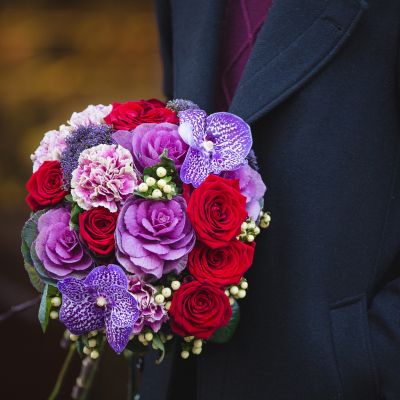

Selecting wedding anniversary flowers is less about tradition alone and more about aligning symbolism with the stage of a relationship. Each anniversary carries an emotional tone shaped by time, shared experience, and evolving expectations. Flowers act as visual shorthand for that meaning, translating years into color, form, and texture.
The concept of flowers for anniversary by year offers a useful starting point, but it should not be treated as a rigid rulebook. Modern buyers are increasingly blending symbolic tradition with personal narrative. The most effective choices balance cultural meaning with relevance to the recipient.
Reframing Wedding Anniversary Flowers Beyond Tradition
Traditional anniversary guides assign specific flowers to milestone years. While widely referenced, they often oversimplify decision-making.
A more refined approach considers three variables:
- Emotional tone of the year
Early anniversaries tend to reflect discovery and lightness, while later years emphasize depth and continuity - Visual compatibility with personal taste
Preference now outweighs strict adherence to tradition - Context of gifting
Private dinner, public celebration, or long-distance gesture each alters the appropriate scale and style
This layered lens moves the decision from symbolic compliance to intentional selection.
Interpreting Flowers for Anniversary by Year with Flexibility
The structure behind flowers for anniversary by year still holds value when interpreted thoughtfully rather than literally.
Common associations include:
- 1st anniversary: Carnations, representing young, evolving love
- 5th anniversary: Daisies, reflecting stability and simplicity
- 10th anniversary: Daffodils, signaling renewal and resilience
- 25th anniversary: Irises, associated with faith and admiration
- 50th anniversary: Yellow roses, symbolizing enduring warmth
The deeper insight lies in how these flowers behave visually.
Carnations offer durability and fullness, making them suitable for extended celebrations. Irises introduce vertical movement, which can feel more architectural. Roses, particularly in mature tones, carry familiarity but can be elevated through scale or pairing.
Strict adherence is less important than understanding what each flower communicates in context.
Structure Over Size in Anniversary Arrangements
One persistent misconception is that larger arrangements convey greater sentiment. In practice, structure and composition carry more weight than volume.
Effective anniversary arrangements often prioritize:
- Defined focal points rather than dispersed blooms
- Controlled color palettes instead of excessive variety
- Balanced negative space to allow individual flowers to stand out
For example, a compact arrangement of garden roses and ranunculus can create more visual impact than a larger mixed bouquet. The eye reads clarity faster than abundance.
This principle is often overlooked in mainstream guidance, yet it directly influences how the gesture is perceived.
Matching Flower Types to Relationship Milestones
Different stages of a relationship call for different visual languages. This extends beyond symbolic charts into practical design thinking.
A simplified framework:
- Early anniversaries (1–5 years)
Light textures, softer colors, and smaller blooms such as spray roses or tulips
These reflect openness and movement - Mid-stage anniversaries (10–25 years)
Structured blooms like lilies, orchids, or irises
These introduce depth and presence without excess - Milestone anniversaries (25+ years)
Fuller, more established flowers such as roses or peonies
These communicate continuity and confidence
The overlooked factor here is progression. Floral choices can mirror how relationships evolve, moving from delicate to defined.
The Role of Context in Wedding Anniversary Flowers
Location and setting increasingly influence floral decisions.
Consider how context reshapes selection:
- At-home celebrations favor subtle fragrance and compact designs
- Restaurant settings require lower arrangements to avoid visual obstruction
- Destination or long-distance gifting demands durability and travel resilience
This introduces an operational dimension. Flowers must not only look appropriate but perform reliably within their environment.
Durability, often overlooked, becomes critical here. Flowers like orchids and carnations tend to maintain form longer, while more delicate blooms require controlled conditions.
Industry Evolution: From Symbolism to Personalization
The category of wedding anniversary flowers is undergoing a quiet shift.
Three changes are driving this evolution:
- Personalization over prescription
Buyers are moving away from rigid yearly assignments toward choices that reflect shared memories - Visual-first decision making
Digital platforms have made aesthetics more influential than symbolic meaning - Shorter decision cycles
Last-minute ordering is increasing, requiring more adaptable selection frameworks
Over the next three to five years, this trend will likely continue toward hybrid decision-making. Traditional guides like flowers for anniversary by year will remain relevant, but as reference points rather than rules.
The emphasis will shift toward coherence, where symbolism, design, and context align.
Choose Meaning with Structure, Not Just Tradition
Selecting wedding anniversary flowers is most effective when approached as a structured decision rather than a symbolic obligation. Tradition provides direction, but interpretation creates impact.
The strongest choices emerge when emotional intent, visual composition, and practical context are considered together. This integrated approach produces arrangements that feel deliberate rather than default.
Clarity, not complexity, defines the outcome.Top of Form