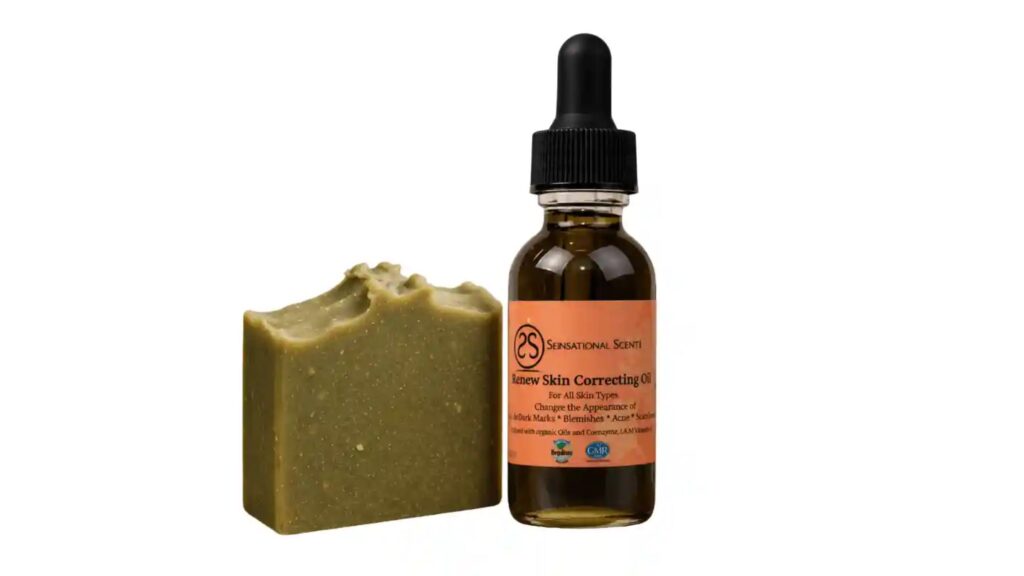

Living with acne-prone skin can be frustrating. Breakouts, redness, and scarring affect how you feel each day. A simple, gentle skincare routine done morning and night can help control oil, reduce inflammation, and prevent new blemishes. Choosing the right products matters – for some people, the best organic soap for acne can be a good gentle starting point because it cleans without stripping the skin. This guide gives easy steps you can follow every morning and night to calm your skin and build healthy habits.
Morning Routine: Fresh and Protective
-
Cleanse Gently
Start your day with a mild cleanser. For acne-prone skin, avoid harsh scrubs or foaming cleansers that strip natural oils and cause more oil production. Use lukewarm water and a gentle, non-comedogenic cleanser to remove nighttime oils and sweat. If you prefer soap, choose one designed for sensitive, acne-prone skin and avoid products with heavy fragrances.
-
Tone Only If Needed
A soothing toner can help balance skin pH and remove leftover dirt. Choose alcohol-free toners with calming ingredients like witch hazel (alcohol-free), niacinamide, or rose water. Use toner sparingly-if your skin feels dry, skip it.
-
Treat Active Acne
Apply a light acne treatment where needed. Ingredients like benzoyl peroxide, salicylic acid, or topical niacinamide work well for many people. Use spot treatments on active pimples rather than covering large areas, unless your dermatologist advises otherwise.
-
Moisturize
Even oily, acne-prone skin needs hydration. Pick a lightweight, oil-free, non-comedogenic moisturizer. Gel-based hydrators or water-based lotions can calm the skin without clogging pores. Look for soothing ingredients like ceramides or hyaluronic acid.
-
Apply Sunscreen
Sunscreen is essential. Acne treatments can make skin more sensitive to the sun, and UV exposure worsens dark marks left by pimples. Use a broad-spectrum, non-comedogenic sunscreen every morning. Mineral sunscreens with zinc oxide are often well tolerated by acne-prone skin.
Night Routine: Repair And Calm
-
Double-Cleanse If Needed
At night, especially if you wore makeup or sunscreen, use a gentle oil-based cleanser first to dissolve makeup and sunscreen, then follow with a mild water-based cleanser. This double-cleanse removes buildup without over-drying.
-
Exfoliate 1–3 Times A Week
Instead of daily scrubs, use chemical exfoliants like salicylic acid (BHA) once or twice a week to keep pores clear. For sensitive skin, start with low concentration and increase slowly. Avoid physical scrubs that can irritate and worsen acne.
-
Apply Targeted Treatments
Nighttime is ideal for active treatments. Use prescribed retinoids or over-the-counter retinol if your skin tolerates it, following a doctor’s advice. Retinoids help with cell turnover and prevent clogged pores. Alternate retinoids with other actives if irritation occurs.
-
Hydrate And Repair
Use a calming moisturizer at night. Ingredients like niacinamide, ceramides, and panthenol support the skin barrier. If your skin feels dry from acne treatments, a thicker moisturizer in targeted areas can help without causing breakouts.
-
Spot Care For Stubborn Spots
For persistent pimples, use targeted treatments containing benzoyl peroxide or sulfur. Apply a thin layer at night and re-evaluate in the morning to avoid overuse.
Weekly Habits And Extras
- Masks: Use a clay mask once a week to draw out excess oil. Keep it short-10 to 15 minutes-and follow with a gentle moisturizer.
- Face cloths and tools: Change pillowcases often and clean makeup brushes regularly. Bacteria on fabrics can worsen acne.
- Hands off: Avoid picking or popping pimples. That causes scarring and longer healing.
- Patch-test new products: Test new products on a small skin area before applying them broadly. Even natural products can irritate sensitive skin.
Choosing The Right Products
When you shop, look for products labeled non-comedogenic, oil-free, and suitable for sensitive or acne-prone skin. Natural and organic options can be gentle choices when they avoid heavy oils and fragrances. If you have both acne and skin conditions like eczema, search carefully-some products designed for eczema may be richer and could clog pores. Looking for the best organic soap for eczema or acne will help you find options tailored to each concern, but always read ingredient lists and user reviews.
How To Introduce New Products
Start one new product at a time and use it for at least two to four weeks before judging its effect. This gives your skin time to adjust and helps you spot which product causes improvement or irritation. If irritation appears, stop the product and consult a dermatologist.
Be Patient And Consistent
Acne rarely clears overnight. With a steady morning and night routine, many people see steady improvement in weeks to months. Keep a simple routine, avoid overloading your skin with too many actives at once, and track progress with photos to notice real changes.
Finding Organic Options
If you prefer organic choices, look for brands that use clear ingredient lists and avoid fragrance, alcohol, and heavy oils. The phrases “best organic soap for acne” and “best organic soap for eczema” point you toward products made for sensitive skin and specific conditions. Trying small sizes or sample packs can help you find what suits your skin without overspending.
Conclusion
A gentle, consistent morning and night routine can make a big difference for acne-prone skin. Cleanse without stripping, treat active breakouts carefully, hydrate, and protect with sunscreen. Choose products that match your skin’s needs and introduce changes slowly. If you want organic and customizable options, Skinsational Scents offers online selections that include organic soaps and tailored blends. Their range can help you find gentle alternatives that address acne and other concerns like eczema, letting you build a routine that supports healthier skin over time.