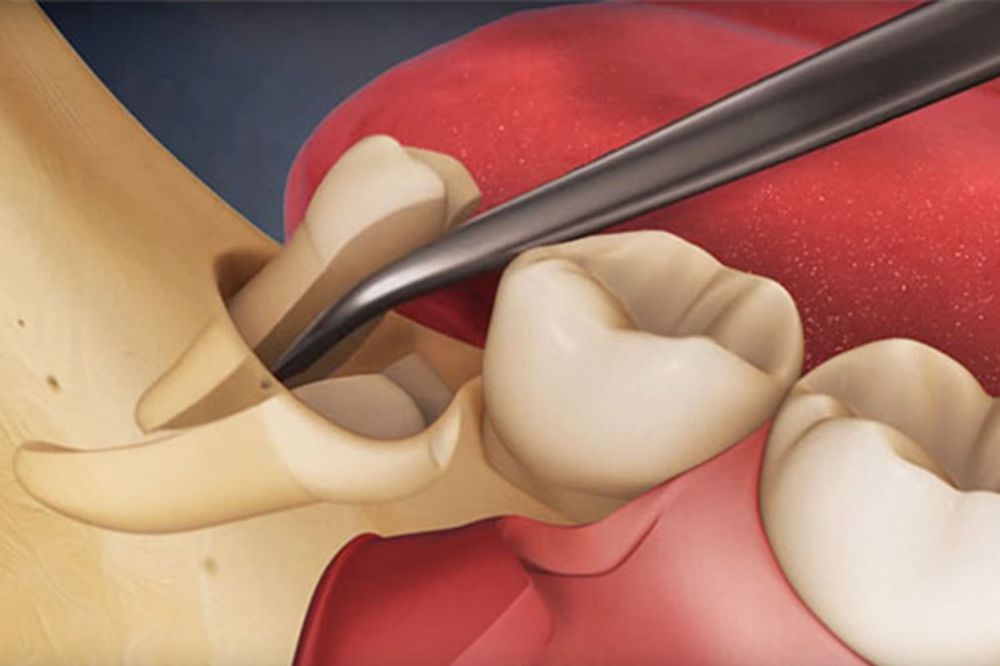

Wisdom tooth extraction is one of the most common dental procedures performed to relieve pain, prevent infections, and protect surrounding teeth. While the wisdom tooth removal procedure is generally safe and effective, proper aftercare is essential for a smooth recovery. Many patients unknowingly make mistakes after surgery that can delay healing, increase discomfort, or even lead to complications like infection or dry socket after tooth removal.
If you are planning wisdom tooth removal in nagpur or have recently undergone the procedure, understanding what to avoid is just as important as knowing what to do. This guide highlights the most common post-extraction mistakes and offers practical tips to ensure faster healing and long-term oral health.
Why Proper Care After Wisdom Tooth Removal Matters
After a tooth is extracted, your body naturally forms a blood clot over the empty socket. This clot protects the bone and nerves underneath while allowing the tissues to heal. If the clot becomes dislodged or the extraction site becomes infected, recovery can become painful and prolonged.
Whether you underwent painless wisdom tooth removal or a surgical extraction of an impacted wisdom tooth, following your dentist’s instructions carefully is the key to preventing unnecessary complications.
Common Reasons for Wisdom Tooth Removal
Wisdom teeth usually appear between the ages of 17 and 25. While some erupt normally, others may remain trapped under the gums or grow at an angle.
Common reasons for extraction include:
- Impacted or partially erupted wisdom teeth
- Severe tooth pain
- Gum infections
- Tooth decay
- Damage to nearby teeth
- Orthodontic treatment planning
- Recurrent swelling around the wisdom tooth
An experienced wisdom tooth removal specialist evaluates your condition and recommends the most suitable treatment based on digital X-rays and clinical examination.
Mistake #1: Ignoring Your Dentist’s Instructions
One of the biggest mistakes patients make is assuming recovery will happen automatically without following professional advice.
Your dentist provides detailed instructions regarding:
- Medications
- Diet
- Oral hygiene
- Rest
- Follow-up appointments
Ignoring these recommendations can increase the risk of infection and delay tooth extraction healing.
Mistake #2: Spitting, Rinsing, or Using a Straw Too Soon
The first 24 hours are extremely important.
Many patients rinse their mouth vigorously or drink beverages through a straw immediately after surgery. Both actions create suction inside the mouth that can remove the protective blood clot.
Once the clot is lost, you may develop dry socket after tooth removal, one of the most painful complications following extraction.
Instead:
- Avoid straws for at least 3–5 days.
- Do not spit forcefully.
- Wait until your dentist advises gentle saltwater rinsing.
Mistake #3: Smoking or Consuming Alcohol
Smoking significantly slows the healing process.
Nicotine reduces blood flow to the extraction site, while the suction created during smoking can dislodge the blood clot.
Similarly, alcohol can interfere with medications and delay tissue repair.
For the best recovery after wisdom tooth removal in nagpur, avoid both smoking and alcohol until your dentist confirms proper healing.
Mistake #4: Eating Hard, Crunchy, or Spicy Foods
Many patients resume their regular diet too quickly.
Hard foods like chips, nuts, toast, popcorn, and spicy snacks may irritate the surgical site or become trapped inside the extraction socket.
Instead, choose soft foods such as:
- Yogurt
- Mashed potatoes
- Khichdi
- Smooth soups
- Oatmeal
- Banana
- Scrambled eggs
- Smoothies (without using a straw)
Gradually return to your normal diet as healing progresses.
Mistake #5: Neglecting Oral Hygiene
Some patients avoid brushing completely because they fear disturbing the extraction site.
Poor oral hygiene allows bacteria to accumulate, increasing the risk of infection.
Good post extraction care includes:
- Brushing gently around the surgical area
- Keeping the mouth clean
- Using prescribed mouthwash if recommended
- Starting warm saltwater rinses after 24 hours
Maintaining proper oral hygiene promotes faster tooth extraction healing while reducing bacterial growth.
If you’re searching for the best dental clinic in nagpur, choose one that provides detailed aftercare instructions and regular follow-up support to ensure a smooth recovery.
Mistake #6: Ignoring Bleeding
Slight bleeding after tooth extraction during the first few hours is completely normal.
However, continuous bleeding should never be ignored.
To control bleeding:
- Bite gently on the gauze provided by your dentist.
- Keep your head elevated.
- Avoid vigorous physical activity.
- Replace gauze as instructed.
If heavy bleeding continues beyond several hours, contact your dentist immediately.
Mistake #7: Skipping Prescribed Medications
Your dentist may prescribe:
- Pain relievers
- Antibiotics
- Anti-inflammatory medicines
Some patients stop taking medications once they start feeling better.
Incomplete medication can allow bacteria to grow or increase inflammation.
Always complete your prescribed course unless instructed otherwise by your dentist.
Mistake #8: Returning to Exercise Too Soon
Heavy workouts increase blood pressure, which may restart bleeding or delay clot formation.
Avoid:
- Running
- Weight lifting
- High-intensity workouts
- Sports
- Heavy household work
Rest for at least 48–72 hours after the wisdom tooth removal procedure unless your dentist advises differently.
Mistake #9: Sleeping Flat
Lying completely flat during the first couple of nights may increase swelling.
Instead:
- Sleep with your head elevated using one or two pillows.
- Apply cold compresses during the first 24 hours.
- Switch to warm compresses later if recommended.
This also helps reduce swollen gums after extraction and improves comfort.
Mistake #10: Ignoring Swelling
Some swelling is expected after surgery.
Most patients experience maximum swelling within 48 hours before it gradually reduces.
Cold packs help during the first day.
Persistent swelling, increasing pain, fever, or pus could indicate infection and requires immediate dental attention.
Mistake #11: Expecting Instant Recovery
Healing takes time.
Recovery varies depending on:
- Age
- Overall health
- Complexity of extraction
- Whether an impacted wisdom tooth was removed
- Oral hygiene practices
Most patients recover within one to two weeks, although complete bone healing takes several months.
Patience and proper care make recovery much smoother.
Mistake #12: Self-Medicating Without Professional Advice
Some individuals begin taking random antibiotics or painkillers recommended by friends or family.
Self-medication can:
- Cause allergic reactions
- Delay diagnosis
- Mask infections
- Interfere with prescribed medicines
Always consult your wisdom tooth removal specialist before taking any additional medication.
Patients receiving treatment at the best dental clinic in nagpur benefit from personalized recovery guidance that minimizes complications and supports faster healing.
Tips for Faster Wisdom Tooth Pain Relief
Discomfort is common during the first few days, but following these tips helps achieve better wisdom tooth pain relief:
- Apply cold packs for 15–20 minutes at a time.
- Take medications exactly as prescribed.
- Eat soft nutritious foods.
- Stay hydrated.
- Get adequate rest.
- Avoid tobacco and alcohol.
- Maintain excellent oral hygiene.
These simple habits significantly improve recovery after painless wisdom tooth removal.
When Should You Contact Your Dentist?
Although most recoveries are smooth, seek immediate dental care if you experience:
- Heavy bleeding after tooth extraction
- Severe or worsening pain after several days
- High fever
- Persistent swelling
- Difficulty swallowing
- Foul taste or pus discharge
- Symptoms of dry socket after tooth removal
Early treatment prevents complications from becoming more serious.
Choosing the Right Dental Clinic
Successful recovery begins with choosing an experienced dental team.
Look for:
- Experienced oral surgeons
- Modern diagnostic technology
- Sterile surgical environment
- Personalized treatment planning
- Clear post-operative instructions
- Regular follow-up care
A qualified wisdom tooth removal specialist ensures both safe surgery and comfortable recovery.
Final Thoughts
Recovering after wisdom tooth removal in nagpur doesn’t have to be difficult if you avoid common mistakes and carefully follow your dentist’s advice. Simple precautions such as eating soft foods, avoiding smoking, maintaining good oral hygiene, and attending follow-up visits can make a significant difference in your healing journey.
If you are considering treatment, choosing the best dental clinic in nagpur ensures expert care before, during, and after the procedure. Professional guidance, advanced techniques, and proper post extraction care can help you enjoy faster recovery, effective wisdom tooth pain relief, and long-term oral health.
Frequently Asked Questions (FAQs)
1. How long does recovery take after wisdom tooth removal?
Most patients recover within 7–14 days. Complete tooth extraction healing of the bone may take several months, depending on the complexity of the extraction.
2. How can I prevent dry socket after tooth removal?
Avoid smoking, drinking through a straw, forceful rinsing, and spitting during the first few days. Follow your dentist’s instructions carefully to keep the blood clot intact.
3. Is swelling normal after wisdom tooth extraction?
Yes. Mild to moderate swollen gums after extraction and facial swelling are common during the first 48 hours. Cold compresses and prescribed medications usually help reduce swelling.
4. When can I eat normal food again?
Start with soft foods for several days and gradually return to your regular diet as your dentist advises. Avoid hard, crunchy, and spicy foods until the extraction site has healed properly.
5. Is painless wisdom tooth removal possible?
Yes. Modern anesthesia, advanced surgical techniques, and experienced dentists make painless wisdom tooth removal comfortable for most patients. Some mild discomfort during recovery is normal and can be managed with prescribed medications.
Source: Medium.com