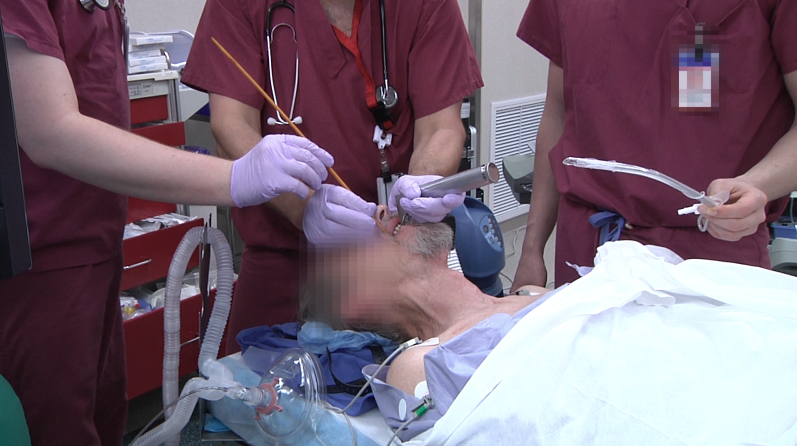

Airway emergencies can happen in any hospital or clinic setting, and when seconds matter, anesthesiologists and nurse anesthesiologists need to act quickly and confidently. Critical care airway courses and difficult airway workshops are designed to give medical professionals the hands-on skills they need to manage these high-pressure situations. These workshops focus on practical experience, realistic simulations, and modern tools, ensuring clinicians are ready when lives depend on them.
1. Evaluating the Airway Quickly and Accurately
One of the first skills anesthesiologists master in these workshops is assessing a patient’s airway. Identifying whether an airway will be easy or difficult to manage is critical. This involves looking at facial anatomy, jaw mobility, neck flexibility, and other factors that could affect intubation. Practicing this in a workshop helps anesthesiologists make quick decisions during real emergencies, reducing the risk of complications.
2. Mastering Intubation Techniques
Intubation is a core skill in critical care. These workshops provide extensive hands-on practice with endotracheal tubes, laryngoscopes, and other devices. Anesthesiologists learn both routine and advanced intubation techniques, including awake intubation for patients who cannot be fully sedated. Practicing on simulators and real tools ensures they can perform intubation efficiently under stress.
3. Using Video Laryngoscopes and Specialized Devices
Modern airway management relies on advanced devices. Difficult airway workshops teach anesthesiologists how to use video laryngoscopes, fiberoptic scopes, and supraglottic airways. These tools can make intubation safer and more successful, especially in challenging cases. Hands-on practice ensures clinicians know exactly how to handle these devices in a real emergency.
4. Performing Ventilation and Oxygenation Safely
Maintaining oxygen delivery is essential in critical care. Workshops cover mask ventilation, using bag-valve masks, and managing different oxygenation strategies. Anesthesiologists practice techniques to avoid hypoxia and ensure patients remain stable until a secure airway is established. These skills are often practiced in realistic emergency scenarios to simulate real-life stress.
5. Managing Difficult and Unexpected Airway Situations
Even experienced clinicians can encounter unexpected airway problems. Difficult airway workshops focus on rare but critical scenarios, such as airway obstruction, trauma, or anatomical variations. By practicing these situations, anesthesiologists learn how to respond calmly and effectively, using a variety of techniques and backup plans to keep patients safe.
6. Simulating Full Emergency Scenarios
Workshops go beyond individual skills by simulating complete emergencies. Participants work through realistic cases where airway compromise occurs alongside other critical conditions. This training improves teamwork, decision-making, and time management. Anesthesiologists get to practice coordinating with nurses, respiratory therapists, and other staff, which mirrors the dynamics of a real critical care environment.
7. Integrating Point-of-Care Ultrasound (POCUS) Skills
Some critical care airway courses include bedside ultrasound training. Anesthesiologists learn how to use POCUS to evaluate lungs, check tube placement, or detect complications quickly. Training in small groups at the hospital allows clinicians to become confident in using ultrasound without leaving their workplace or attending large off-site courses. This skill improves patient assessment and speeds up critical interventions.
Why On-Site Workshops Are Valuable
A major advantage of these workshops is that instructors come directly to your hospital or clinic. This saves time and avoids the stress of travel or taking staff away from work. Flexible group sizes allow training for just one person or a large team. Workshops can also be customized to focus on the areas most relevant to your staff, ensuring everyone gains practical knowledge that can be applied immediately.
Hands-On Learning and Personalized Attention
Critical care airway courses emphasize learning by doing. Simulators, real tools, and one-on-one guidance help participants build confidence. Personalized instruction is often available for those who want focused attention on challenging skills. This approach ensures anesthesiologists and nurse anesthesiologists leave the workshop ready to handle any airway emergency.
Keeping Skills Up-to-Date
Medicine is always evolving, and airway management is no exception. Difficult airway workshops stay current with the latest devices, techniques, and research. Attending these courses helps clinicians refresh their skills, learn new approaches, and adopt best practices, making patient care safer and more effective.
In A Nutshell:
Critical care airway courses and difficult airway workshops are essential for anesthesiologists and nurse anesthesiologists who want to excel in emergency care. From evaluating airways and performing intubations to using advanced devices and integrating bedside ultrasound, these workshops build confidence, competence, and teamwork. By learning on-site and practicing hands-on, medical professionals gain the skills needed to save lives in high-stakes situations.