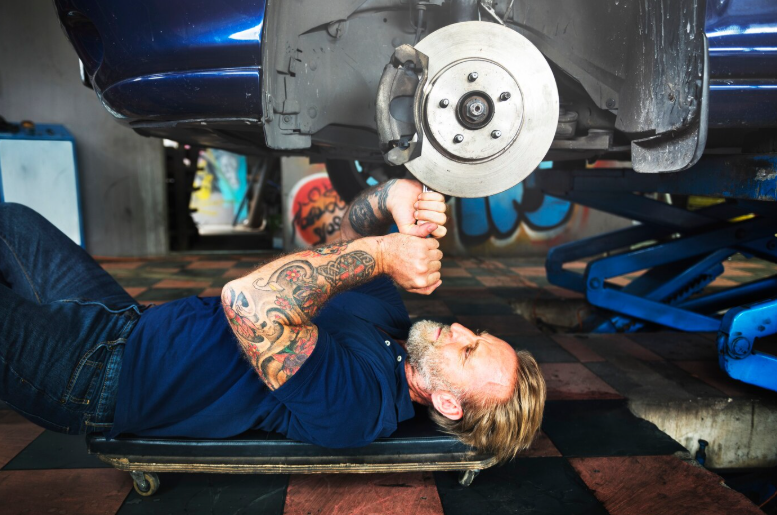

Your vehicle’s braking system is one of its most important safety features. Ignoring unusual sounds, vibrations, or changes in braking performance can put you, your passengers, and others on the road at risk. Scheduling brake service as soon as warning signs appear helps prevent costly repairs and reduces the chance of brake failure. Many drivers overlook early symptoms because the vehicle still seems to stop normally, but minor brake issues can quickly become serious if left unchecked.
In this guide, you’ll learn seven common warning signs that indicate your brakes need immediate attention, why these problems happen, and what you can do to keep your braking system working safely.
1. Squealing or Screeching Noises While Braking
One of the earliest and most noticeable signs of brake trouble is a high-pitched squealing or screeching sound whenever you press the brake pedal.
Most modern brake pads are built with wear indicators. These small metal tabs create a squealing noise once the brake pad material becomes too thin. The sound serves as a reminder that it’s time for an inspection before the pads wear out completely.
While weather conditions or moisture can occasionally cause temporary squeaking, persistent noise should never be ignored.
Possible causes include:
- Worn brake pads
- Dust or debris between the rotor and pad
- Glazed brake pads
- Damaged brake hardware
Replacing brake pads early helps protect the brake rotors from unnecessary damage and keeps repair costs lower.
2. Grinding Sounds When You Apply the Brakes
Grinding is a much more serious warning sign than squealing.
A grinding noise often means the brake pads have completely worn away, allowing the metal backing plate to rub directly against the brake rotor. This metal-on-metal contact quickly damages the rotor and reduces braking performance.
Ignoring this issue can result in:
- Deep grooves in the rotors
- Overheated braking components
- Reduced stopping power
- Increased repair expenses
If you hear grinding, avoid driving any farther than necessary and schedule a brake inspection immediately.
3. Brake Pedal Feels Soft or Spongy
Your brake pedal should feel firm and responsive every time you press it.
If it suddenly feels soft, sinks toward the floor, or requires extra pressure before the vehicle slows down, there could be a problem within the hydraulic braking system.
Common causes include:
- Air trapped in the brake lines
- Brake fluid leaks
- Worn master cylinder
- Contaminated brake fluid
Hydraulic pressure is what allows your brakes to function effectively. Any loss of pressure reduces stopping ability and should be addressed as soon as possible.
4. Vehicle Pulls to One Side While Braking
Does your vehicle drift left or right when you slow down?
Uneven braking force is often the reason.
This can happen when one brake caliper sticks, one brake pad wears faster than the other, or contaminated brake fluid affects one side of the braking system.
Other possible causes include:
- Frozen calipers
- Uneven brake pad wear
- Damaged brake hose
- Rotor problems
Driving with uneven braking not only reduces control but also causes uneven tire wear and additional strain on suspension components.
A technician can identify the underlying issue before it leads to more extensive repairs.
5. Vibrations or Pulsations in the Brake Pedal
If your steering wheel shakes or the brake pedal vibrates while slowing down, the brake rotors may no longer have a smooth surface.
Rotors experience tremendous heat during braking. Over time, repeated heating and cooling cycles can create uneven wear or slight warping.
Symptoms often include:
- Pulsating brake pedal
- Steering wheel vibration
- Vehicle shaking during braking
- Uneven stopping performance
Minor rotor imperfections may be corrected through resurfacing, while severely worn rotors typically require replacement.
Prompt attention helps restore smooth, consistent braking.
6. Brake Warning Light Stays On
Modern vehicles monitor several components of the braking system.
If the brake warning light or ABS light remains illuminated after starting the vehicle, the system has detected a problem that requires inspection.
Possible issues include:
- Low brake fluid
- ABS sensor failure
- Worn brake pads
- Hydraulic system malfunction
- Parking brake switch issue
Although the vehicle may still be drivable, warning lights should never be ignored because they often indicate reduced braking efficiency or disabled safety systems.
A professional diagnostic scan can quickly determine the exact cause.
7. Burning Smell After Driving
A sharp, burning odor near the wheels after driving can signal overheated brakes.
This often occurs when:
- Brake calipers remain partially engaged
- Drivers ride the brakes downhill
- Brake components become excessively hot
- Parking brake fails to release fully
Overheated brakes lose effectiveness due to a condition known as brake fade.
If you notice a burning smell:
- Pull over safely.
- Allow the brakes to cool naturally.
- Avoid touching brake components because they can become extremely hot.
- Arrange for a brake inspection before continuing long trips.
Ignoring overheated brakes can damage rotors, pads, seals, and brake fluid.
Why Early Brake Inspections Matter
Many brake problems begin with small symptoms that are easy to overlook.
Routine inspections allow technicians to identify worn parts before they cause additional damage.
Preventive maintenance offers several advantages:
- Improves stopping performance
- Extends brake component life
- Reduces repair costs
- Improves vehicle safety
- Prevents unexpected breakdowns
- Protects expensive brake rotors and calipers
Replacing brake pads at the right time is significantly less expensive than replacing damaged rotors, calipers, and hydraulic components.
Simple Habits That Help Your Brakes Last Longer
Drivers can extend brake life by adopting smoother driving habits.
Helpful tips include:
- Avoid sudden hard braking whenever possible.
- Maintain a safe following distance.
- Remove unnecessary weight from the vehicle.
- Have brake fluid inspected regularly.
- Rotate tires according to the manufacturer’s schedule.
- Address unusual brake noises immediately.
- Schedule routine brake inspections during regular maintenance visits.
These habits reduce stress on the braking system and contribute to safer driving.
When Should You Schedule Brake Service?
There is no universal mileage interval because brake wear depends on driving habits, traffic conditions, terrain, and vehicle type.
However, it’s a good idea to have your brakes inspected:
- During routine maintenance visits
- Every tire rotation
- Before long road trips
- Whenever warning signs appear
- If your vehicle has been sitting unused for an extended period
Professional inspections include checking brake pad thickness, rotor condition, brake fluid, calipers, hoses, hardware, and overall system performance.
Conclusion
Your brakes give clear warning signs before major problems develop. Squealing noises, grinding sounds, soft pedals, pulling, vibrations, warning lights, and burning smells should never be ignored. Addressing these issues early helps keep repair costs manageable while maintaining the safety and reliability of your vehicle. Regular inspections and timely brakes repair ensure your braking system performs as intended, giving you confidence every time you drive.
Frequently Asked Questions (FAQs)
1. How often should I have my brakes inspected?
Most manufacturers recommend inspecting the braking system at least once a year or every 10,000–15,000 miles. Frequent city driving may require more regular inspections.
2. Why do my brakes squeal only in the morning?
Morning moisture can cause temporary squeaking as surface rust forms overnight. If the noise disappears after a few stops, it is usually normal. Persistent squealing should be inspected.
3. Can I drive with the brake warning light on?
It’s best to have the vehicle inspected as soon as possible. The warning light may indicate low brake fluid, worn components, or a problem with the braking system that could affect safety.
4. What causes brake pedal vibration?
Brake pedal vibration is commonly caused by uneven or worn brake rotors, though suspension or wheel issues can sometimes contribute to similar symptoms.
5. How long do brake pads usually last?
Brake pad life varies depending on driving conditions and habits, but most last between 30,000 and 70,000 miles.
6. What happens if worn brake pads are not replaced?
Continuing to drive with worn brake pads can damage the rotors, reduce stopping performance, increase repair costs, and create unsafe driving conditions.
7. Is brake fluid replacement important?
Yes. Brake fluid absorbs moisture over time, which can reduce braking efficiency and contribute to corrosion inside the braking system. Following the manufacturer’s recommended replacement schedule helps maintain reliable braking performance.