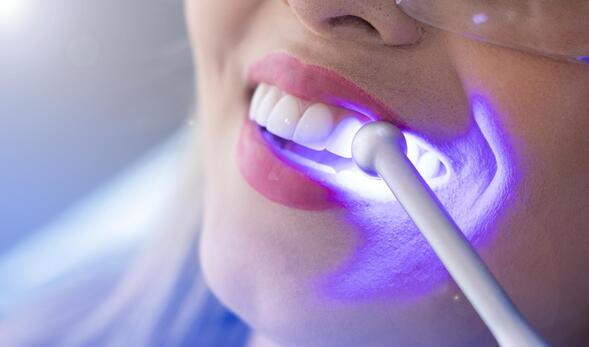

Laser teeth whitening has become one of the most talked-about cosmetic dental procedures in India, yet it remains surrounded by a surprising amount of confusion. People walk into clinics with firmly held beliefs — some accurate, many not — and those misconceptions can affect both their decision-making and their results. Whether you have already had the procedure or are still weighing your options, understanding the truth behind the myths, knowing how to care for your teeth afterwards, and building a sensible maintenance routine will make all the difference to how long your brighter smile actually lasts. This article addresses each of those areas plainly and practically.
Common Myths About Laser Teeth Whitening — Set Straight
Myth 1: Laser Whitening Permanently Damages Tooth Enamel
This is probably the most widespread fear, and it deserves a direct answer. When carried out by a qualified professional, laser teeth whitening does not damage enamel. The bleaching gel used — typically hydrogen peroxide — temporarily opens the microscopic pores in enamel to lift stains. Once the treatment is complete and your teeth remineralise over the following 24 to 48 hours, the enamel returns to its normal state. Problems arise only when people use unregulated home kits with excessively high peroxide concentrations or undergo treatments far too frequently. In-clinic laser whitening is calibrated to stay within safe limits.
Myth 2: The Results Last Forever
If only that were true. Laser whitening delivers dramatic results, but those results are not permanent. Teeth are continuously exposed to staining agents — tea, coffee, red wine, turmeric, tobacco — and they will gradually re-stain over time. Most patients see their results begin to fade somewhere between six months and two years, depending entirely on lifestyle habits. Maintenance treatments and careful dietary choices are what keep the brightness going. Managing expectations honestly from the start helps patients stay satisfied rather than disappointed.
Myth 3: It Works Equally Well on All Types of Staining
Laser whitening is highly effective on extrinsic stains — those that sit on or just beneath the enamel surface from food, drink, and tobacco. It is far less effective, sometimes not effective at all, on intrinsic staining, which originates within the tooth structure itself. Tetracycline-stained teeth, fluorosis, or discolouration from trauma often require alternative treatments such as veneers or bonding. A proper clinical assessment before treatment helps set realistic expectations rather than letting patients down.
If you are considering a Teeth Bleaching Treatment in East Delhi, a consultation that examines the nature of your staining is always the right first step.
Myth 4: Over-the-Counter Kits Give the Same Results
The comparison is simply not fair. Professional laser whitening uses bleaching concentrations that are not available in retail products, combined with light activation that dramatically accelerates the process. Over-the-counter strips and gels can produce mild improvements over several weeks, but the depth of whitening, the speed, and the precision of shade matching available in a clinical setting are genuinely different. They are not the same procedure in different packaging.
Immediate Aftercare: The Critical 48 Hours
The White Diet — Why It Matters
In the 48 hours following your laser whitening session, the enamel pores remain temporarily open and your teeth are significantly more susceptible to staining. Dentists commonly recommend what is called a “white diet” during this window. This means sticking to foods and drinks that are pale or colourless — white rice, chicken, pasta without tomato sauce, water, milk, and clear soups. Avoiding tea, coffee, cold drinks, soy sauce, beetroot, and berries during this period is not excessive caution; it is genuinely important for protecting the investment you have just made.
Managing Sensitivity
Tooth sensitivity after laser whitening is normal and usually resolves within a day or two. The heat from the laser and the bleaching gel can temporarily aggravate the nerves inside the teeth. Using a sensitivity toothpaste with potassium nitrate or stannous fluoride in the days surrounding your treatment helps considerably. Avoid very hot and very cold food and drinks for the first 48 hours. If sensitivity is unusually severe or persists beyond three days, contact your dentist — this is worth checking rather than ignoring.
Other Immediate Precautions
Avoid smoking for at least 48 hours after treatment, as tobacco is one of the fastest ways to re-stain freshly whitened teeth. Rinse with plain water after meals rather than mouthwash that contains alcohol or artificial colouring. Skip dark lipstick or lip stain products on the day of treatment, as pigments can transfer when your lips are in contact with your teeth. These are small adjustments that cost nothing but protect your results significantly.
Long-Term Maintenance: Keeping Your Smile Bright
Daily Habits That Protect Your Results
The single most effective maintenance tool is consistency in basic oral hygiene. Brushing twice daily with a whitening or fluoride toothpaste, flossing regularly, and rinsing after meals prevents surface stains from building up before they have a chance to set. Drinking staining beverages through a straw reduces direct contact with the front teeth. Rinsing your mouth with water immediately after drinking coffee or red wine is a small habit with a surprisingly meaningful impact over time.
Touch-Up Treatments and Professional Cleanings
Most dentists recommend a professional scale and polish every six months. This removes calculus and superficial surface stains that even thorough brushing cannot address, and it keeps the baseline shade of your teeth as bright as possible between whitening sessions. Depending on how your teeth respond and your lifestyle, a touch-up whitening session once every twelve to eighteen months is usually sufficient to maintain the results.
Your Teeth Whitening Specialist will guide you on the right interval based on your individual staining pattern and the original treatment outcome.
Who Should Approach This Treatment with Extra Caution
Laser whitening is not recommended during pregnancy or breastfeeding. People with untreated cavities, active gum disease, or severely worn enamel should address those conditions before considering any bleaching procedure. Teenagers under sixteen are generally advised to wait, as their teeth are still developing. Anyone with restorations like crowns, bridges, or veneers on the front teeth should know that these materials do not whiten — only natural tooth structure responds to bleaching, which can create a mismatch in shade that looks worse than before. A thorough pre-treatment examination rules out these concerns before any gel is applied.
Conclusion
Laser teeth whitening is a safe, effective, and clinically well-established procedure — but like any treatment, it rewards informed patients. Understanding what it can and cannot do, following aftercare guidance diligently, and building sensible long-term habits will keep your smile noticeably brighter for far longer than the procedure alone ever could. The myths surrounding it are easy to dispel once you have accurate information and a dentist you trust. If you are ready to take the next step, the team at
Veda Dentistry – Comprehensive Dentistry in East Delhi offers thorough consultations, professional whitening treatments, and the ongoing care your smile deserves. Reach out and begin your journey to a healthier, more confident smile.
Frequently Asked Questions
How long do the results of laser teeth whitening typically last?
Results vary depending on diet, oral hygiene, and lifestyle habits, but most patients can expect results to last between six months and two years. Regular touch-up sessions and avoiding heavily staining food and drinks help extend the outcome considerably.
Is laser teeth whitening safe for people with sensitive teeth?
It can be, provided the dentist is aware of your sensitivity beforehand. Adjustments can be made to the treatment protocol, and using a sensitivity toothpaste in the days before and after the procedure helps manage any discomfort. Always inform your dentist of any existing sensitivity during the consultation.
Can laser whitening remove all types of stains?
No. Laser whitening works best on extrinsic stains caused by food, beverages, and tobacco. Intrinsic stains — those embedded within the tooth structure due to medication, fluorosis, or trauma — often do not respond well to bleaching and may require alternative cosmetic treatments such as veneers.
How soon after treatment can I eat and drink normally?
It is advisable to follow a white diet for the first 48 hours after treatment to avoid staining the temporarily porous enamel. After that window, you can return to your normal diet, though limiting habitual intake of heavily pigmented foods and drinks will help preserve your results longer.
How often should I get a touch-up whitening treatment?
Most dental professionals recommend a touch-up session every twelve to eighteen months, alongside six-monthly professional cleanings. The exact frequency depends on how quickly your teeth re-stain, which varies from person to person based on diet and habits.
Source: bcz.com