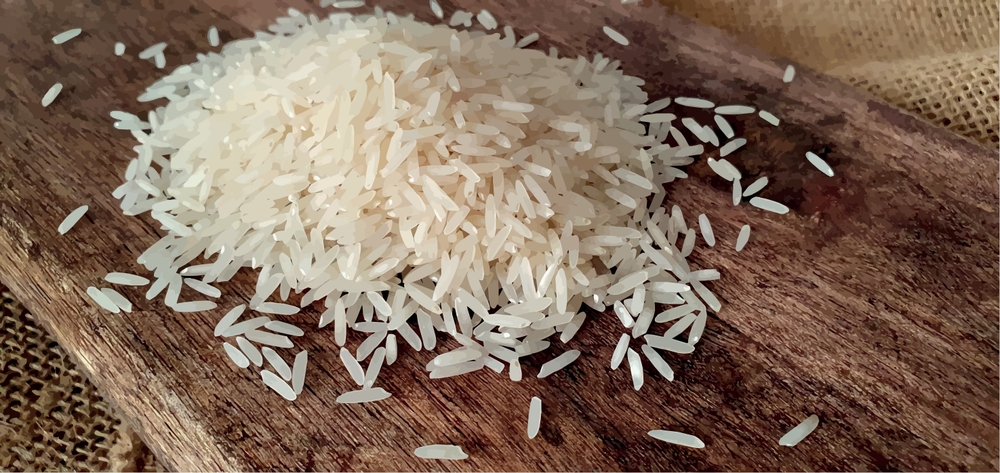

Rice has a strange way of carrying memory. One aroma from a steaming pot and suddenly people remember family lunches, wedding feasts, late-night comfort meals, or Sunday biryani simmering slowly in the kitchen. It is simple food, technically speaking, but it rarely feels simple once it reaches the plate.
That is especially true with Indian long grain rice.
Not all rice behaves the same while cooking. Some varieties stay fluffy and separate. Some absorb spices deeply. Others turn soft and comforting within minutes. A good home cook eventually notices these differences. Maybe not on the first attempt, but definitely after enough dinners.
And honestly, choosing the right rice can quietly change the entire meal.
A rich curry served with the wrong grain feels heavy. A biryani cooked with poor-quality rice loses texture completely. Even fried rice depends heavily on grain structure.
This guide explores the most popular long grain rice varieties used across Indian cooking traditions and modern kitchens alike. Whether someone cooks daily or only occasionally experiments with traditional recipes, understanding rice types makes cooking easier and much more enjoyable.
What Makes Long Grain Rice Different?
Long grain rice has a slimmer, elongated structure compared to short or medium grain varieties. Once cooked properly, the grains usually remain separate instead of sticking together heavily.
That texture matters.
It creates lighter meals, better spice absorption, and cleaner presentation. Long grain rice is especially preferred for:
- Biryani
- Pulao
- Fried rice
- Jeera rice
- Curry pairings
- Festive meals
The grain length also affects mouthfeel. Longer grains often create a more elegant dining experience, especially in aromatic rice varieties.
Why Rice Variety Matters in Cooking
Many people buy rice without thinking too deeply about it. Then they wonder why recipes do not taste quite right.
Different rice varieties offer different:
- Aroma
- Texture
- Water absorption
- Cooking time
- Flavor profile
A spicy curry paired with delicate fragrant rice feels balanced. Heavy rice with the same curry may feel overwhelming.
Rice is not just a side element in Indian cooking. In many meals, it quietly becomes the foundation.
Popular Long Grain Rice Varieties Home Cooks Should Know
1. Traditional Basmati Rice
This is probably the most recognized long grain rice variety globally.
Traditional basmati is known for:
- Slender grain structure
- Distinct aroma
- Fluffy texture
- Excellent grain separation after cooking
It works beautifully for:
- Dum biryani
- Pulao
- Festive dishes
- Rich gravies
Good basmati expands noticeably after cooking, which gives dishes a lighter appearance and texture.
Many home cooks now prefer buying basmati rice online because aged and premium varieties are easier to compare digitally through grain descriptions and packaging details.
2. Golden Sella Basmati
Golden Sella rice undergoes a parboiling process before milling. That process changes both texture and durability.
This variety is popular because:
- The grains stay firmer
- It handles longer cooking well
- It absorbs spices beautifully
- It works well for large-batch cooking
Restaurants often use this rice style for biryani because it maintains structure even during layered cooking methods.
3. White Sella Rice
White Sella offers a slightly softer texture than Golden Sella while still maintaining grain separation.
Home cooks often choose it for:
- Everyday pulao
- Mild curries
- Family-style rice dishes
- Light festive meals
Its cooking consistency makes it beginner-friendly too.
4. Steam Rice
Steam rice is processed differently from parboiled varieties and tends to cook softer while still remaining fairly separate.
This variety suits:
- Daily home meals
- Dal-rice combinations
- Mildly spiced preparations
- Quick cooking routines
Some households prefer steam rice because it feels lighter and cooks relatively faster.
5. Extra Long Grain Premium Rice
Premium extra-long grain varieties are often selected for presentation-heavy dishes.
These varieties are appreciated for:
- Dramatic grain elongation
- Elegant appearance
- Strong aroma retention
- Refined texture
Wedding feasts and celebration meals frequently feature this style because visual presentation matters significantly.
Understanding Rice Texture Before Buying
One mistake many home cooks make is choosing rice only by packaging appearance.
Texture preference matters just as much.
| Rice Type | Texture After Cooking | Best Used For |
| Traditional Basmati | Light and fluffy | Biryani, pulao |
| Golden Sella | Firm and separate | Layered rice dishes |
| White Sella | Balanced softness | Everyday premium meals |
| Steam Rice | Softer texture | Daily cooking |
| Extra Long Grain | Elegant and airy | Special occasions |
Cooking style should influence rice selection more than branding alone.
How Aging Improves Rice Quality
Aged rice is highly valued in Indian cooking traditions for a reason.
Freshly harvested rice contains higher moisture content. As rice ages:
- Moisture reduces
- Grain stability improves
- Aroma deepens
- Cooking performance becomes more reliable
Aged basmati especially develops stronger fragrance and better grain separation.
This is why experienced cooks often pay attention to rice aging before purchasing premium varieties.
Online Grocery Shopping Changed Rice Buying Habits
People now compare rice much more carefully than before.
Earlier, buyers mostly depended on nearby grocery stores with limited options. Today, many households explore basmati rice online because it provides:
- Wider variety access
- Better packaging visibility
- Product specifications
- Aging information
- Grain length comparison
Online grocery platforms have also made regional rice varieties more accessible to families living away from traditional local markets.
That convenience changed buying behavior significantly.
Cooking Tips for Better Rice Texture
Even premium rice can disappoint if cooked poorly.
A few small habits improve results noticeably.
Rinse Properly
Washing removes excess surface starch and helps grains remain separate.
Soak Before Cooking
Many long grain varieties benefit from soaking for 20–30 minutes.
Use The Correct Water Ratio
Too much water softens grain structure excessively.
Rest After Cooking
Allowing rice to rest for several minutes improves texture stability.
Avoid Over-Stirring
Frequent stirring breaks delicate grains.
These little details may seem minor, but together they completely affect the final dish.
Rice Pairing Matters More Than People Think
Different rice varieties complement different foods better.
For example:
- Rich biryani works beautifully with aged basmati
- Mild curries pair well with steam rice
- Spicy gravies balance nicely with fluffy long grain rice
- Fried rice benefits from firmer grain structure
Professional cooks think about pairing constantly. Home cooks can benefit from the same approach without overcomplicating meals.
Why Long Grain Rice Continues Growing in Popularity
Modern cooking trends have increased appreciation for lighter, more structured rice textures.
People increasingly prefer rice that:
- Looks elegant
- Feels less sticky
- Absorbs flavor well
- Supports multiple cuisines
Long grain varieties also work across:
- Indian cooking
- Middle Eastern dishes
- Fusion meals
- Asian-inspired recipes
That versatility makes them practical for modern kitchens.
Conclusion
The world of Indian long grain rice is much more diverse than many home cooks initially realize. From fragrant basmati to firmer Sella varieties, each type brings a different texture, aroma, and cooking experience to the table. Understanding these differences helps create meals that feel more balanced, flavorful, and satisfying, whether preparing a festive biryani or a simple weekday dinner.
As online grocery shopping continues making premium rice varieties more accessible, buyers are becoming more selective about quality, aging, and cooking performance.
For households exploring authentic rice options through the best Indian groceries, brands like Khazana continue contributing to this growing appreciation for carefully sourced long grain rice suited for both traditional and modern kitchens.