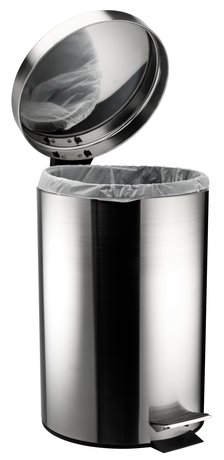

The following content highlights the importance of using garbage bags for effective waste disposal.
The Hidden War Against Household Germs
The main reason a garbage bag is so vital comes down to basic biology. Think about what goes into your kitchen bin: raw chicken packaging, half-eaten yogurt, soggy coffee grounds, and vegetable peels. When these things sit in a warm kitchen, they start to break down immediately. If they aren’t sealed inside a garbage bag, they leak “trash juice” into the crevices of your bin.
This liquid is a breeding ground for Salmonella, E. coli, and Listeria. By using a sturdy garbage bag, you are essentially locking those pathogens away. It prevents the ick from touching the surfaces of your home and, more importantly, keeps it away from your hands when it is time to take the trash out to the curb.
Keeping the Uninvited Guests Outside
If you live in a place where it gets warm, you know that pests are always looking for a free meal. A loose pile of trash is like a neon “Open” sign for flies, cockroaches, and ants. Once they find a way into a bin that doesn’t have a garbage bag, it is incredibly hard to get them out.
Why the Seal Matters
A well-tied garbage bag keeps odors contained. Since pests navigate mostly by smell, if they can’t smell the rotting fruit or the meat scraps, they are much less likely to infest your kitchen. Furthermore, when the trash reaches the outdoor dumpster, a sealed garbage bag prevents local wildlife, like stray cats or birds, from ripping the mess apart and spreading it across your driveway. It keeps the mess contained from the moment you throw it away until the truck picks it up.
Protecting the People Who Handle Our Waste
We often forget that once the trash leaves our house, someone else has to handle it. Sanitation workers do a difficult, often dangerous job. When you use a strong garbage bag that doesn’t split or leak, you are making their job significantly safer.
Protects the Environment
Garbage bags make it easier to segregate waste, such as recyclable, organic, and non-recyclable materials. Proper waste separation reduces the amount of waste sent to landfills and supports recycling efforts. Using eco-friendly or biodegradable garbage bags can further minimize environmental impact.
🚛 Improves Waste Collection Efficiency
Garbage bags simplify the process of collecting and transporting waste. Waste management workers can handle bagged waste more safely and efficiently compared to loose trash. This reduces exposure to harmful substances and ensures faster, cleaner disposal.
🦠 Reduces Health Risks
Improper waste disposal can lead to the spread of bacteria, viruses, and harmful toxins. Garbage bags act as a barrier between waste and humans, lowering the chances of contamination. They are especially useful for disposing of food waste, medical waste, and other hazardous materials.
🏡 Enhances Organization at Home and Work
Using garbage bags encourages better organization of waste. With different sizes and types available, they can be used for kitchen waste, garden waste, office trash, and more. This makes waste management more systematic and less time-consuming.
♻️ Supports Responsible Living
Incorporating garbage bags into daily waste disposal habits promotes a sense of responsibility toward cleanliness and sustainability. Choosing the right type of garbage bag—such as recyclable or biodegradable options—can contribute to a greener lifestyle.
Proper waste disposal is essential for maintaining a clean, healthy, and sustainable environment. One of the simplest yet most effective tools in managing waste is the use of garbage bags. They play a crucial role in ensuring hygiene, convenience, and environmental responsibility in both homes and public spaces.
🧹 Promotes Cleanliness and Hygiene
Using garbage bags helps contain waste securely, preventing spills, leaks, and unpleasant odors. Properly sealed bags reduce the risk of attracting pests such as insects and rodents, which can spread diseases. This is especially important in households, offices, and healthcare environments where sanitation is a priority.