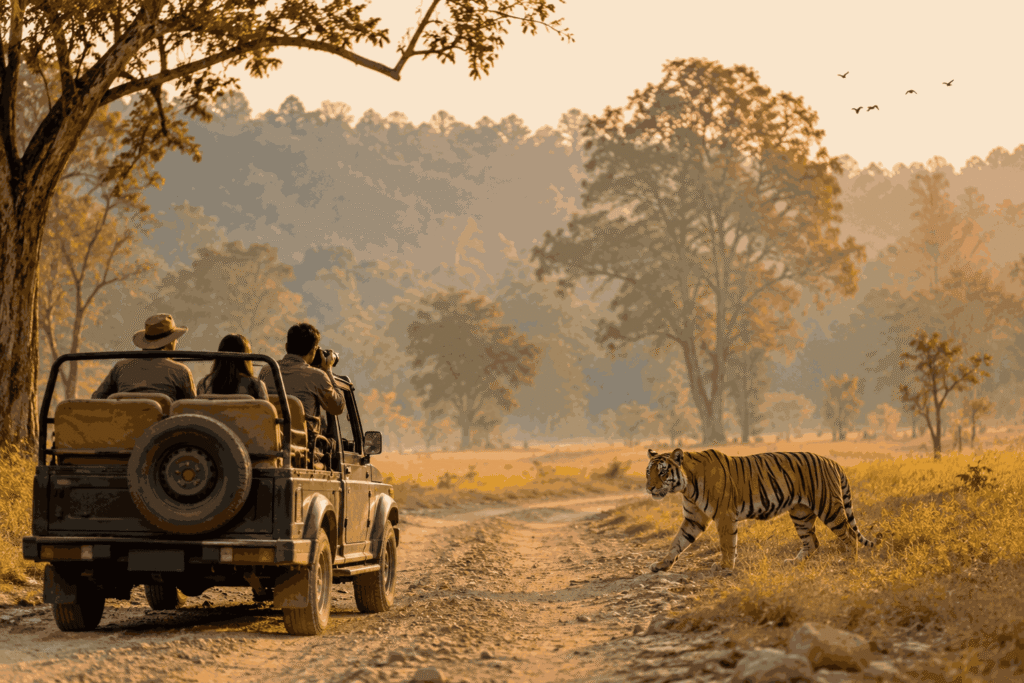

In a world filled with notifications, deadlines, and endless screen time, many people are searching for ways to slow down and reconnect with something real. One of the most rewarding ways to do that is through a wildlife safari. Beyond the excitement of spotting animals in their natural habitat, the benefits of wildlife safaris extend far beyond tourism. They offer a chance to step away from modern distractions and experience nature in its purest form.
Whether it’s hearing birds call at dawn, watching elephants move through a forest, or simply sitting quietly in a vehicle surrounded by wilderness, a safari can create moments that remind us how deeply connected we are to the natural world.
Why People Feel Disconnected From Nature
Modern life has brought incredible convenience, but it has also reduced the amount of time many people spend outdoors. Urban environments, digital devices, and busy schedules often leave little room for meaningful interactions with nature.
Research and personal experiences alike suggest that spending less time outdoors can affect our well-being. Many people report feeling stressed, mentally exhausted, or disconnected from their surroundings.
Nature offers something different. It invites us to slow down, observe, and become more present. Wildlife safaris provide a unique opportunity to experience this connection firsthand.
Experiencing Nature Without Filters
One of the most powerful aspects of a wildlife safari is its authenticity. Unlike documentaries or social media posts, a safari places you directly inside the environment.
There are no scripted moments or guarantees. Every sighting is real and unpredictable.
You might witness a herd of deer moving through a grassland, a tiger resting in the shade, or a family of elephants crossing a river. Even when large animals are not visible, the sounds, landscapes, and atmosphere create an experience that cannot be replicated on a screen.
These moments encourage visitors to pay attention to details they often overlook in everyday life.
Learning Patience and Observation
Wildlife encounters require patience. Animals move according to their own schedules, not ours.
During a safari, visitors quickly learn that nature cannot be rushed. Guides often encourage guests to stay quiet, observe carefully, and appreciate the environment around them.
This slower pace can feel refreshing in a culture that constantly demands speed and productivity.
As people spend time observing animal behavior, listening to forest sounds, and watching changing landscapes, they naturally become more mindful and present in the moment.
Reducing Stress and Mental Fatigue
One reason wildlife safaris have become increasingly popular is their positive effect on mental well-being.
Being surrounded by natural environments has been linked to reduced stress and improved mood. Forests, rivers, mountains, and open grasslands provide a calming atmosphere that allows people to mentally recharge.
Many safari travelers describe feeling more relaxed after spending time in nature. Without constant emails, social media updates, or daily pressures, the mind has an opportunity to rest.
Among the many benefits of wildlife safaris, this sense of mental renewal is often one of the most valuable.
Developing a Deeper Appreciation for Wildlife
It is easy to take nature for granted when we rarely encounter it directly. A safari changes that perspective.
Seeing wild animals in their natural habitat creates a stronger understanding of how ecosystems function and why conservation matters. Visitors begin to appreciate the complexity of natural environments and the challenges wildlife faces in a rapidly changing world.
Many people leave a safari with a greater respect for biodiversity and a stronger desire to support conservation efforts.
This emotional connection often lasts long after the trip ends.
Creating Meaningful Family Experiences
Wildlife safaris can also bring families closer together. Unlike many vacations that revolve around entertainment or shopping, safaris encourage shared experiences and discovery.
Children often become fascinated by animal behavior, tracks, and ecosystems. Parents have opportunities to teach environmental awareness while creating lasting memories.
The excitement of spotting wildlife together can spark conversations and curiosity that continue long after returning home.
In many cases, these experiences inspire younger generations to care more deeply about nature and conservation.
Encouraging Responsible Travel
Modern travelers are increasingly interested in experiences that have a positive impact on local communities and the environment.
Many safari destinations support conservation programs, park management initiatives, and local employment opportunities. By participating in responsible wildlife tourism, travelers contribute to the protection of habitats and species.
This creates a more meaningful travel experience because visitors know their journey supports something larger than personal enjoyment.
Responsible tourism helps ensure that future generations will have the opportunity to experience wildlife in the wild.
A Reminder of Our Place in Nature
One of the most profound lessons a safari can offer is humility.
Standing in a vast forest, watching animals live according to natural rhythms, reminds us that humans are part of a much larger ecosystem. Nature has existed for millions of years and continues to function independently of our schedules and priorities.
This perspective can be surprisingly powerful. It encourages gratitude, reflection, and a greater appreciation for the natural world that supports all life.
Final Thoughts
Wildlife safaris are about much more than checking animals off a list. They provide opportunities to slow down, reconnect with nature, reduce stress, and develop a deeper understanding of the environment.
The lasting benefits of wildlife safaris often have little to do with photographs or travel stories. Instead, they come from the feeling of being fully present in the natural world and rediscovering a connection that many people have lost in modern life.
In an increasingly digital age, spending time in the wilderness may be one of the most valuable experiences we can give ourselves. Sometimes, all it takes is a quiet morning in the forest to remember how closely we are connected to the world around us.