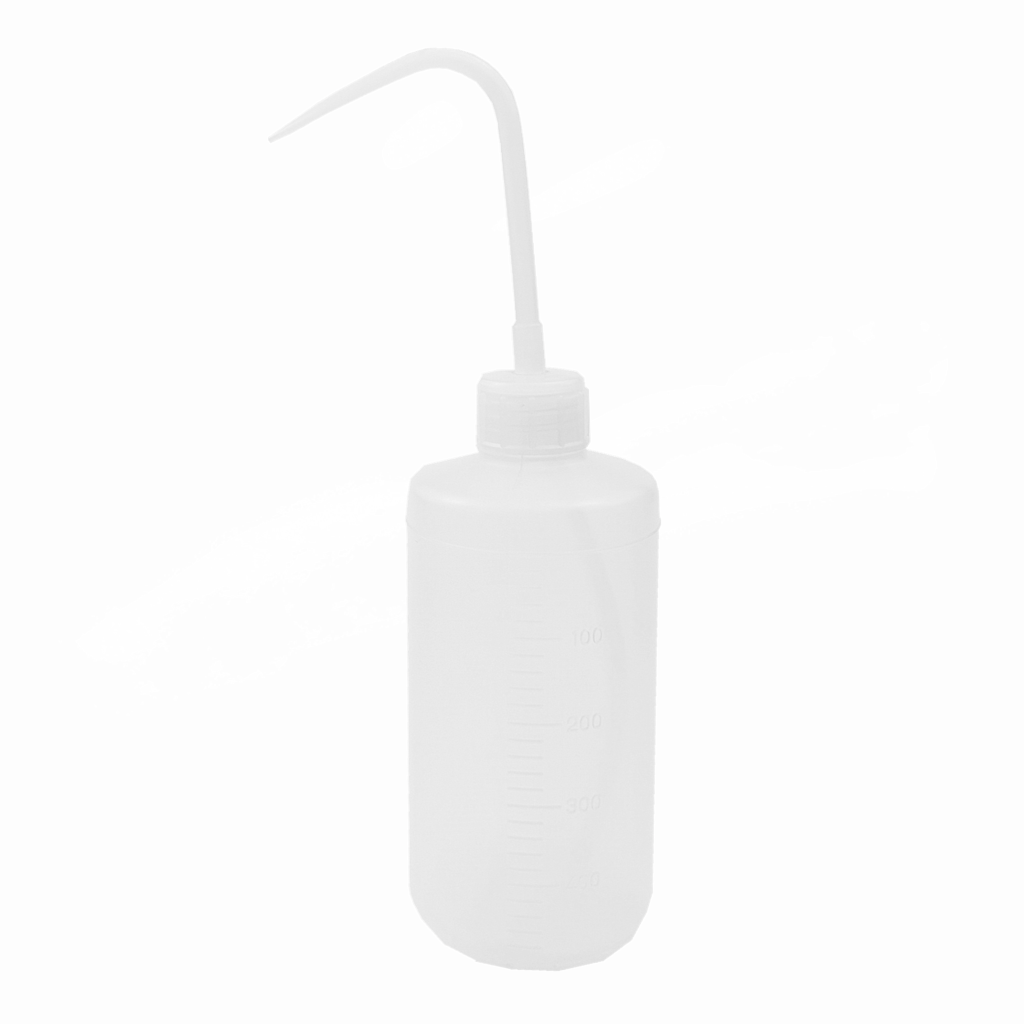

Plastic waste has become one of the most visible environmental challenges of our time, pushing industries to rethink how everyday materials are produced, used, and reused. Among the many solutions being explored, recyclable plastic bottles for packaging have emerged as a practical and scalable option that aligns functionality with sustainability.
Understanding the Role of Recyclable Packaging
To appreciate their impact, it helps to look at how packaging contributes to environmental strain. Traditional single-use plastics often end up in landfills or oceans, where they persist for decades. In contrast, recyclable materials are designed to re-enter the production cycle, reducing the need for new raw resources.
Recyclable plastic bottles for packaging are typically made from materials like PET (polyethylene terephthalate), which can be collected, processed, and transformed into new products. This ability to circulate within a reuse system is what makes them a key component of more sustainable packaging strategies.
How Recycling Supports Sustainability
The sustainability benefits of recyclable plastic bottles are closely tied to how effectively they are recovered and reused. When properly managed, these materials can significantly reduce environmental impact in several ways:
- Lower resource consumption: Recycling reduces the demand for virgin plastic, which in turn decreases reliance on fossil fuels.
- Energy efficiency: Producing recycled plastic often requires less energy compared to creating new plastic from raw materials.
- Waste reduction: Diverting bottles from landfills helps minimize long-term environmental pollution.
These advantages demonstrate how recycling is not just about disposal, but about extending the lifecycle of materials in a meaningful way.
Enhancing Circular Economy Practices
A key concept connected to sustainable packaging is the circular economy, where materials are kept in use for as long as possible. Recyclable plastic bottles for packaging contribute to this model by enabling continuous reuse rather than a single-use lifecycle.
In a circular system:
- Products are designed with recyclability in mind
- Collection systems ensure materials are recovered efficiently
- Recycled content is reintegrated into new packaging
This closed-loop approach reduces environmental pressure and encourages more responsible production patterns across industries.
Balancing Durability and Environmental Responsibility
One reason plastic remains widely used in packaging is its durability and versatility. It protects products from contamination, extends shelf life, and reduces damage during transportation. Recyclable options retain these advantages while offering a pathway toward reduced environmental impact.
For example:
- Lightweight plastic bottles lower transportation emissions
- Strong materials prevent product loss, which also reduces waste
- Flexible designs allow for efficient storage and handling
By maintaining performance while improving end-of-life outcomes, recyclable packaging helps bridge the gap between practicality and sustainability.
Challenges and Considerations
Despite their benefits, recyclable plastic bottles are not a complete solution on their own. Their effectiveness depends heavily on infrastructure, consumer behavior, and proper waste management systems.
Some ongoing challenges include:
- Inconsistent recycling systems: Not all regions have the same capabilities for collection and processing
- Contamination issues: Improper sorting can reduce the quality of recycled materials
- Limited awareness: Consumers may not always understand how to recycle correctly
Addressing these challenges requires collaboration between manufacturers, governments, and consumers to ensure that recyclable materials are actually recycled.
Moving Toward More Responsible Packaging
As industries continue to evolve, there is a growing emphasis on improving the design and lifecycle of packaging materials. Innovations such as increased recycled content, better labeling, and improved collection systems are helping to strengthen the impact of recyclable solutions.
At the same time, awareness around sustainable practices is encouraging more thoughtful consumption. Choosing packaging that can be reused or recycled is becoming an important part of reducing overall environmental impact.
Conclusion
Recyclable plastic bottles for packaging represent a meaningful step toward more sustainable material use, offering a balance between functionality and environmental responsibility. While they are not without challenges, their ability to reduce waste, conserve resources, and support circular systems makes them an important part of the broader effort to create more sustainable packaging solutions.