
Introduction
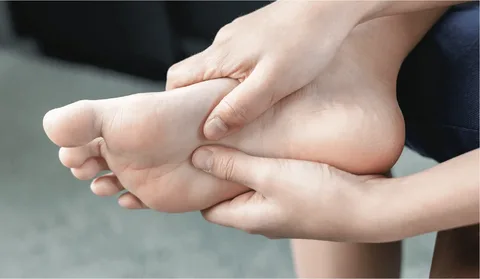
Pain in the ball of the foot can make everyday activities uncomfortable and limit your mobility. Whether you spend long hours standing, enjoy running, or simply walk frequently during the day, persistent forefoot pain can affect your quality of life. One of the most common causes of this discomfort is metatarsalgia, a condition that develops when excessive pressure is placed on the metatarsal bones at the front of the foot.
Many people ignore the early signs of metatarsalgia, hoping the pain will disappear with rest. However, untreated symptoms can worsen over time and may lead to changes in walking patterns that place additional stress on the ankles, knees, and hips. Fortunately, conservative treatments are highly effective, especially when the problem is identified early.
Custom orthotics are among the most successful long-term treatment options for metatarsalgia. These specially designed shoe inserts improve foot alignment, reduce pressure on painful areas, and support natural movement. An experienced Podiatrist Edinburgh can assess your foot mechanics, determine the cause of your discomfort, and recommend orthotics that suit your individual needs. Combined with supportive footwear and practical lifestyle advice, orthotics can help reduce pain and restore comfortable movement.
What Is Metatarsalgia?
Metatarsalgia is a condition that causes pain and inflammation in the ball of the foot, particularly around the metatarsal heads. These bones help support your body weight during standing, walking, and running.
Every step places pressure on the forefoot. When that pressure becomes excessive because of poor biomechanics, unsuitable footwear, or repetitive activities, irritation can develop in the surrounding tissues.
The condition can affect anyone but is especially common among runners, athletes, people who stand for long periods, and older adults who have lost some of the natural cushioning beneath their feet.
Common Causes of Metatarsalgia
Metatarsalgia usually develops because several factors increase pressure on the front of the foot rather than from a single cause.
Some of the most common causes include:
- Flat feet or high arches
- Poor foot biomechanics
- Wearing high heels or narrow shoes
- Running or jumping frequently
- Tight calf muscles
- Excess body weight
- Arthritis
- Age-related thinning of the foot’s natural padding
A detailed assessment by a Podiatrist Edinburgh helps identify which factors are contributing to your pain.
Symptoms of Metatarsalgia
Symptoms often begin gradually and become more noticeable after prolonged standing or physical activity.
Common symptoms include:
- Pain in the ball of the foot
- Burning sensation beneath the toes
- Sharp pain while walking
- Tingling or numbness
- Feeling like walking on small stones
- Tenderness under the forefoot
If these symptoms continue for several weeks, professional assessment is recommended.
How Orthotics Help Relieve Metatarsalgia
Custom orthotics are specially designed shoe inserts that improve the way your feet function during movement. Unlike standard insoles, they are created specifically for your foot shape and walking pattern.
Their main purpose is to reduce pressure on painful areas while improving the overall alignment of the foot. Instead of concentrating body weight on the forefoot, orthotics distribute pressure more evenly across the entire foot.
As a result, irritation decreases, walking becomes more comfortable, and the affected tissues have a better opportunity to heal naturally.
Many people notice gradual improvements in comfort after consistently wearing properly fitted orthotics.
Improving Foot Alignment
Poor foot alignment is one of the leading contributors to metatarsalgia. Flat feet, high arches, or excessive inward rolling of the foot can increase pressure beneath the metatarsal bones.
Orthotics help support the natural position of the foot during walking and standing. By improving alignment, they reduce unnecessary strain on the forefoot while also helping the ankles, knees, and hips move more efficiently.
This correction not only reduces current pain but may also help prevent future foot problems.
Better Pressure Distribution
One of the greatest benefits of orthotics is their ability to redistribute body weight more evenly.
Without proper support, certain areas of the forefoot absorb excessive force with every step. Over time, this repeated pressure causes irritation and inflammation.
Custom orthotics spread pressure across a larger surface area, reducing stress on the painful metatarsal heads.
Benefits Include
- Reduced forefoot pressure
- Improved walking comfort
- Less irritation during activity
- Better weight distribution
- Enhanced daily mobility
Shock Absorption and Support
Walking and running place repeated impact on the feet. For people with metatarsalgia, these impact forces often worsen symptoms.
Many custom orthotics include cushioning materials that absorb shock while maintaining proper support. This combination helps reduce stress on the forefoot without affecting natural movement.
People who participate in sports or spend long hours standing often experience significant improvements when orthotics are combined with supportive footwear.
The Importance of Professional Assessment
Although many over-the-counter insoles are available, they may not address the actual cause of your pain.
A professional assessment allows a Podiatrist Edinburgh to evaluate your foot structure, walking pattern, and pressure distribution before recommending treatment.
During your appointment, the assessment may include:
- Foot posture evaluation
- Walking and gait analysis
- Joint mobility testing
- Footwear assessment
- Pressure point identification
This detailed examination helps ensure that the orthotics are designed specifically for your needs.
Additional Treatments That Support Recovery
Orthotics are highly effective, but they usually produce the best results when combined with other conservative treatments.
Depending on your condition, your podiatrist may also recommend stretching exercises, strengthening programmes, footwear modifications, activity adjustments, or temporary padding to reduce pressure while healing takes place.
Following your personalised treatment plan helps improve recovery and reduces the likelihood of future pain.
Choosing Suitable Footwear
Orthotics work best when worn inside supportive shoes.
Footwear that is too tight, lacks cushioning, or provides poor arch support may continue placing unnecessary pressure on the forefoot.
When choosing shoes, look for:
Supportive Footwear Features
- Wide toe box
- Good arch support
- Cushioned sole
- Stable heel
- Comfortable fit
Replacing worn-out shoes regularly also helps maintain proper support and reduces stress on the feet.
Preventing Metatarsalgia
Simple daily habits can help reduce the risk of recurring forefoot pain.
These include wearing supportive footwear, stretching regularly, maintaining a healthy weight, increasing exercise gradually, avoiding prolonged use of high heels, and replacing worn shoes before they lose their cushioning.
Regular foot assessments also allow small problems to be identified before they become more serious.
When Should You See a Podiatrist?
Persistent pain in the ball of the foot should not be ignored.
You should arrange an appointment if you experience:
- Ongoing forefoot pain
- Difficulty walking comfortably
- Burning sensations beneath the toes
- Numbness or tingling
- Pain during exercise
- Symptoms that continue despite changing footwear
Early treatment usually leads to quicker recovery and helps prevent additional foot complications.
How a Podiatrist Can Help
An experienced Podiatrist Edinburgh provides comprehensive care for people experiencing metatarsalgia.
Treatment may include:
Professional Care Includes
- Detailed biomechanical assessment
- Custom orthotics
- Gait analysis
- Footwear advice
- Exercise recommendations
- Ongoing monitoring
Rather than simply relieving symptoms, podiatry treatment aims to correct the underlying cause of the condition and improve long-term foot health.
Conclusion
Metatarsalgia is a common cause of pain in the ball of the foot, but it does not have to interfere with your daily life. Early diagnosis and appropriate treatment can significantly reduce discomfort while preventing long-term complications.
Custom orthotics remain one of the most effective treatments because they improve foot alignment, redistribute pressure, and support natural movement. When combined with supportive footwear and professional advice, they help relieve pain and allow you to return to normal activities with greater comfort.
If you are experiencing persistent forefoot pain, consulting a qualified Podiatrist Edinburgh is the best way to identify the underlying cause and receive personalised treatment. With the right care, you can improve foot function, stay active, and enjoy lasting relief from metatarsalgia.